
 Game Reviews
 Mobile Games
 Game Online
 Game Updates
 AI & Artificial Intelligence
 AI News
 AI Comparisons
 AI Tools Reviews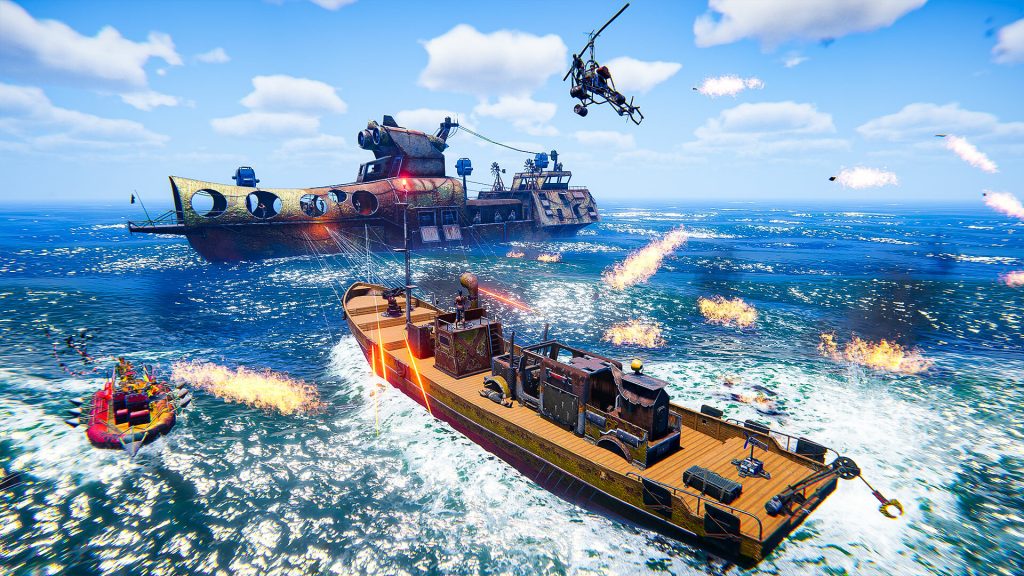
Introduction
In a world where land has nearly disappeared beneath endless oceans, Age of Water introduces players to a unique survival and exploration experience set in a flooded future. Unlike traditional post-apocalyptic games that focus on deserts or ruins, Age of Water gameplay places the player at the center of a living ocean civilization. Floating settlements, customized boats, and resource scavenging define the rhythm of daily survival in this ambitious open-world environment.
What makes Age of Water particularly interesting is how it blends exploration, combat, crafting, and social interaction into a seamless maritime adventure. Players are not just survivors but traders, explorers, and sometimes warriors navigating unpredictable waters. The freedom to build vessels and establish alliances adds depth to Age of Water open-world gameplay, making each session feel like a step toward rebuilding civilization on water.
See more: https://prol5review.com/home
1. First Voyage and Early Exploration
The first journey in Age of Water gameplay begins with a modest vessel and limited resources. Players quickly learn that survival depends on understanding navigation and maintaining their boat’s stability. Early exploration introduces floating debris fields, abandoned structures, and small communities scattered across the ocean.
Initial encounters in Age of Water beginner gameplay highlight the importance of observation. Players must learn to identify safe routes and locate essential resources without exposing themselves to unnecessary risks. These early moments establish the survival-driven nature of Age of Water ocean exploration, encouraging careful planning from the very start.
2. Boat Customization and Engineering Mechanics
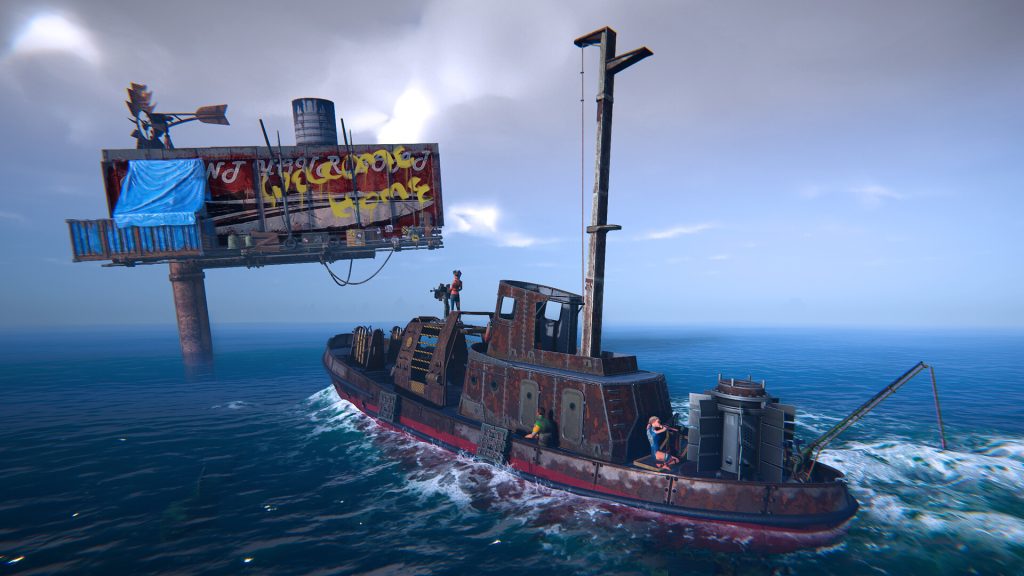
A central feature of Age of Water gameplay is the ability to design and upgrade personal vessels. Boats serve as both transportation and living space, making customization an essential part of progression. Players can modify hulls, engines, and defensive components to suit different playstyles.
Engineering within Age of Water boat customization requires balancing speed, durability, and cargo capacity. Overloading a vessel may slow movement, while insufficient protection leaves players vulnerable to threats. This decision-making process enhances the depth of Age of Water vehicle mechanics, making shipbuilding feel meaningful and strategic.
3. Resource Gathering and Survival Systems
Survival in Age of Water gameplay depends heavily on gathering resources scattered throughout the ocean. Players salvage materials from wreckage, trade with settlements, and harvest supplies from remote locations. Each resource contributes to maintaining and upgrading equipment.
Efficient management within Age of Water survival mechanics ensures long-term success. Fuel, food, and repair materials must be stored carefully to prevent shortages during extended journeys. This constant need for preparation strengthens the immersive nature of Age of Water resource management gameplay.
4. Open-World Exploration and Discovery
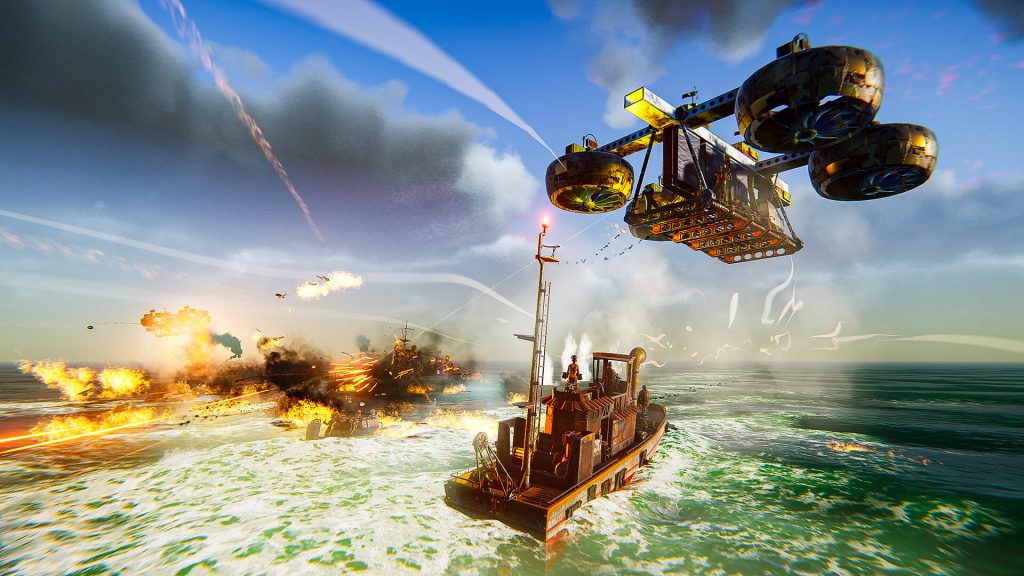
Exploration stands at the heart of Age of Water gameplay, offering a vast ocean filled with mysteries and hidden opportunities. From forgotten research stations to pirate-controlled territories, each location introduces unique challenges and rewards.
The sense of discovery in Age of Water exploration systems encourages players to venture beyond familiar routes. Finding rare materials or uncovering hidden settlements creates excitement that fuels continued exploration. This dynamic design makes Age of Water open-world adventures consistently engaging.
5. Combat Encounters and Naval Warfare
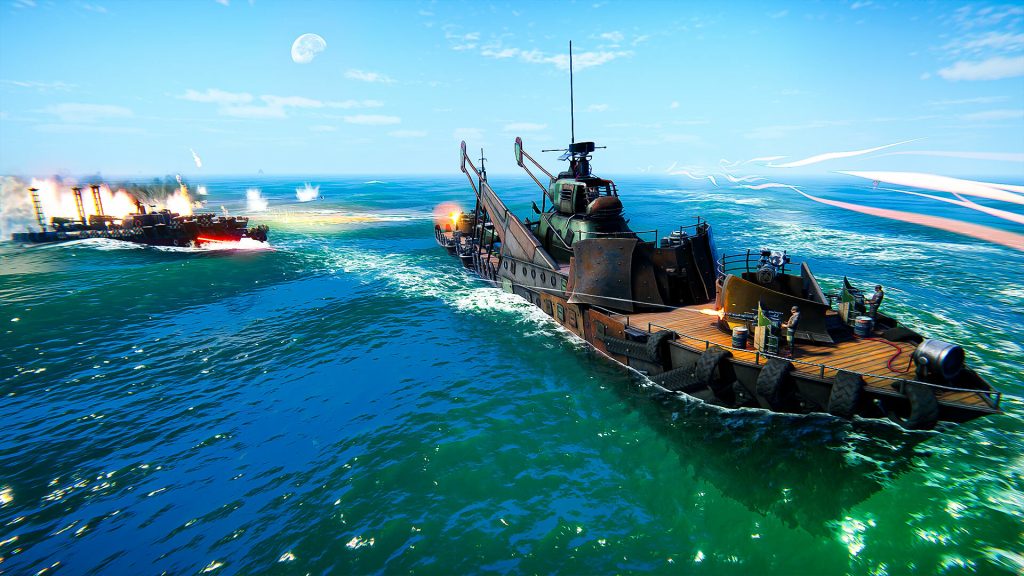
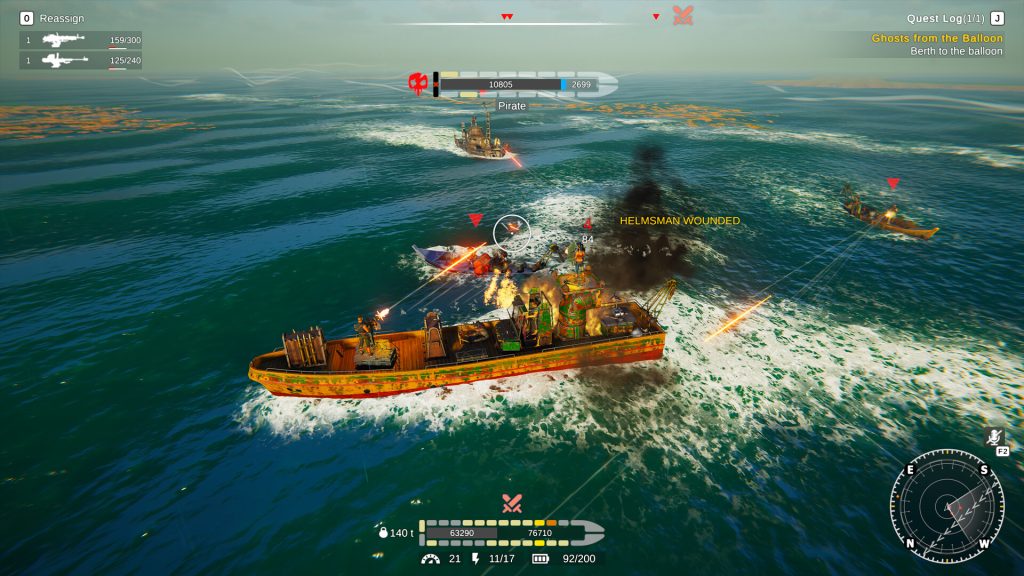
While exploration remains central, Age of Water gameplay also includes intense combat scenarios. Pirate vessels and hostile factions patrol dangerous regions, forcing players to defend their ships during encounters.
Combat within Age of Water naval mechanics emphasizes positioning and weapon choice. Players must balance offensive strikes with defensive maneuvers to avoid heavy damage. These confrontations add tension to Age of Water ocean warfare, ensuring that peaceful voyages can quickly transform into survival battles.
6. Trading Systems and Economic Progression
Trade plays a vital role in Age of Water gameplay, allowing players to exchange goods with floating settlements. Selling rare items and purchasing upgrades supports economic growth and vessel improvement.
Understanding Age of Water trading mechanics requires evaluating supply and demand across different locations. Smart trading decisions lead to faster progression and improved equipment. This economic layer adds strategic depth to Age of Water survival economy systems, making commerce as important as combat.
7. Visual Design and Ocean Atmosphere
The visual presentation of Age of Water graphics captures the beauty and isolation of an ocean-dominated world. Sunlight reflecting across endless waves creates breathtaking scenes that contrast with the harsh survival environment.
Environmental effects within Age of Water visual immersion enhance realism. Storm clouds gather dramatically, while shifting waves influence navigation. These visual elements strengthen the emotional impact of Age of Water ocean environments, making exploration visually rewarding.
8. Multiplayer Interaction and Social Elements
The multiplayer component of Age of Water gameplay introduces social interaction and cooperative possibilities. Players can form alliances, trade resources, or assist each other during dangerous missions.
Social interaction within Age of Water multiplayer systems encourages cooperation and strategic partnerships. Sharing knowledge about resource locations or enemy movements benefits entire groups. This sense of community strengthens Age of Water cooperative gameplay, making teamwork a valuable asset.
9. Progression and Long-Term Development
Progression in Age of Water gameplay involves upgrading ships, unlocking new technologies, and expanding exploration capabilities. Each milestone represents increased independence within the harsh ocean environment.
Skill development within Age of Water progression systems rewards persistence and planning. Players gradually learn advanced navigation techniques and combat strategies. This continuous growth ensures that Age of Water long-term gameplay remains engaging for dedicated explorers.
10. Strengths, Challenges, and Overall Potential
Among the strongest aspects of Age of Water gameplay is its ability to create a believable ocean-based civilization. The combination of exploration, trading, and combat delivers a varied experience that keeps players engaged across multiple sessions.
However, Age of Water learning curve may feel challenging for newcomers unfamiliar with survival mechanics. Managing resources and navigating complex environments requires patience. Despite these challenges, the depth of Age of Water open-world systems suggests strong long-term potential as the game continues to evolve.
Conclusion
Overall, Age of Water offers a refreshing take on survival games by shifting the focus from land-based exploration to oceanic civilization. The combination of boat customization, resource gathering, and social interaction creates a rich and immersive gameplay experience. Every voyage becomes a journey of discovery and adaptation within the ever-changing Age of Water gameplay world.
For players seeking exploration-driven adventures and strategic survival mechanics, Age of Water open-world gameplay provides an exciting and rewarding challenge. Its unique setting, deep progression systems, and dynamic environments ensure that the game stands out as one of the most ambitious maritime survival titles available today.
Follow us on Facebook: https://www.facebook.com/share/1CFA8qxACT/
Get Game Website Link