
 Game Reviews
 Mobile Games
 Game Online
 Game Updates
 AI & Artificial Intelligence
 AI News
 AI Comparisons
 AI Tools Reviews
Introduction
The evolution of artificial intelligence has moved far beyond text and code generation into the world of immersive visual storytelling. One of the most fascinating developments in this space is Higgsfield, an emerging platform designed to create realistic digital characters and cinematic visuals through advanced AI modeling. Unlike earlier tools that focused mainly on still images or short animations, Higgsfield is built around the concept of AI-driven virtual actors, enabling users to produce expressive characters capable of delivering believable performances.
In recent years, the demand for personalized and visually engaging content has increased dramatically across industries such as marketing, gaming, filmmaking, and education. This shift has created opportunities for technologies like Higgsfield, which allow creators to generate characters without relying on traditional motion capture studios or expensive production teams. By converting prompts into lifelike character actions, Higgsfield demonstrates how artificial intelligence is redefining the relationship between creativity and automation.
Another important factor behind the growing attention toward Higgsfield is the transformation of digital media workflows. Modern creators are no longer limited by physical resources such as actors, cameras, or locations. Instead, they can simulate entire scenes digitally, allowing Higgsfield to function as both a production assistant and a creative partner in storytelling.
See more: https://prol5review.com/home
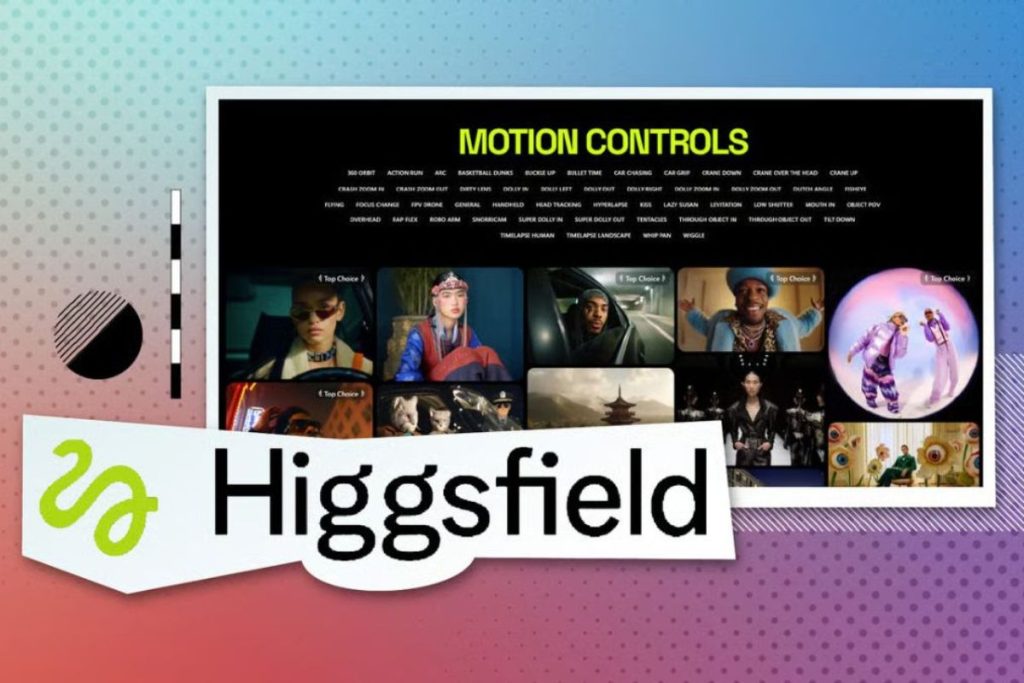
The Origins and Development of Higgsfield Technology
The creation of Higgsfield reflects the broader trend of integrating artificial intelligence into cinematic production tools. Early animation systems required manual rigging and frame-by-frame adjustments, making character creation time-consuming and technically demanding. With the arrival of AI-based rendering systems, Higgsfield introduced a new paradigm where natural language descriptions guide character motion and expression.
One of the most significant milestones in the development of Higgsfield involved the use of deep learning character modeling. By analyzing vast datasets of human movement, facial expressions, and cinematic gestures, Higgsfield learned to replicate subtle emotional cues. This advancement made it possible to produce characters that appear more natural and relatable.
Another contributing factor to the rise of Higgsfield is the growing accessibility of cloud-based computing infrastructure. Without relying on local hardware, creators can access powerful rendering engines remotely. This shift allows Higgsfield to scale its capabilities while maintaining consistent performance across devices.
Understanding the Core Mechanics Behind Higgsfield
At its core, Higgsfield operates through a combination of neural rendering, motion synthesis, and behavior prediction models. These technologies allow the system to interpret textual prompts and convert them into animated character sequences. Instead of manually animating each movement, creators simply describe the intended action, and Higgsfield generates the motion automatically.
One of the defining strengths of Higgsfield is its ability to maintain character consistency across scenes. Traditional animation tools often struggle with maintaining identical facial features or movement styles between frames. However, Higgsfield applies structured learning models to ensure continuity in character appearance and behavior.
Another critical component is the emotional modeling capability of Higgsfield. By analyzing context within prompts, the system determines whether a character should appear confident, curious, or dramatic. This emotional intelligence enhances storytelling quality and increases audience engagement.

Creating Virtual Actors with Higgsfield
One of the most revolutionary features of Higgsfield is its ability to produce virtual actors capable of delivering scripted performances. These digital characters can speak, move, and react based on instructions provided by users. In many cases, this eliminates the need for traditional casting and filming processes.
Another benefit of using Higgsfield for virtual acting is the flexibility it offers to creators. Characters can be modified instantly, allowing adjustments to costumes, gestures, or camera angles without reshooting scenes. This adaptability makes Higgsfield especially valuable in industries that require rapid content production.
Furthermore, the concept of virtual actors generated through Higgsfield opens new possibilities for storytelling diversity. Creators can design characters with unique visual styles that might be difficult or impossible to achieve using conventional methods. This expands the boundaries of creative expression.
Cinematic Storytelling Capabilities of Higgsfield
Storytelling remains one of the most important elements of visual media, and Higgsfield plays a significant role in enhancing narrative depth. By generating characters capable of realistic emotional responses, Higgsfield supports immersive storytelling experiences that capture audience attention.
Another advantage of Higgsfield in storytelling is its ability to simulate cinematic techniques such as camera movement and scene transitions. Whether generating close-up shots or wide-angle sequences, Higgsfield ensures visual continuity across scenes. This allows creators to build narratives that feel polished and professional.
Additionally, Higgsfield supports multi-scene storytelling workflows. Instead of creating isolated clips, creators can generate sequences that follow a coherent storyline. This capability transforms Higgsfield into a comprehensive storytelling platform rather than just a video generation tool.
Applications of Higgsfield Across Creative Industries
The influence of Higgsfield extends beyond entertainment into several professional sectors. In advertising, brands use Higgsfield to create engaging promotional videos featuring digital spokespersons. This reduces production costs while maintaining visual quality.
Another major application of Higgsfield appears in education and training. Teachers and instructional designers can create animated lessons featuring virtual characters that explain complex topics. These interactive visuals enhance comprehension and retention among learners.
The gaming industry also benefits from Higgsfield, particularly during the concept development phase. Developers can test character designs and narrative sequences quickly. By using Higgsfield, teams can visualize creative ideas before investing resources into full-scale production.
Enhancing Character Realism Through Higgsfield
Realism plays a crucial role in audience engagement, and Higgsfield addresses this challenge through advanced motion simulation techniques. By analyzing real-world movement patterns, Higgsfield produces characters that move naturally rather than mechanically.
Another element contributing to realism in Higgsfield is facial animation precision. Subtle expressions such as blinking, smiling, or shifting eye direction significantly improve the authenticity of virtual characters. These micro-expressions help viewers connect emotionally with digital performers.
Furthermore, Higgsfield integrates environmental physics into its rendering system. This includes realistic lighting, shadow placement, and object interaction. Such details enhance visual immersion and strengthen the credibility of generated scenes.
Workflow Integration and Production Efficiency with Higgsfield
Modern content creation relies on seamless integration between different tools, and Higgsfield supports this workflow approach effectively. Generated character assets can be exported into editing software for additional enhancements such as sound design or color grading.
Another efficiency advantage of Higgsfield lies in its iterative workflow model. Creators can generate multiple variations of a scene and refine them based on feedback. This flexibility encourages experimentation while minimizing production costs.
Additionally, Higgsfield supports collaborative workflows across remote teams. By sharing generated assets through cloud systems, creators can work together regardless of geographical location. This feature enhances global collaboration in media production.
Ethical and Creative Challenges Facing Higgsfield
Despite its technological strengths, Higgsfield introduces several ethical considerations. The creation of realistic virtual characters raises questions about authenticity and representation. Responsible usage policies are necessary to prevent misuse of digital identities.
Another concern associated with Higgsfield involves intellectual property rights. As AI-generated characters become more realistic, distinguishing between original creations and derivative content may become challenging. Developers must ensure that training data respects copyright regulations.
Additionally, there is an ongoing discussion about balancing automation with human creativity. While Higgsfield accelerates production processes, human storytelling skills remain essential for crafting meaningful narratives. Maintaining this balance will shape the future adoption of AI tools.
Future Innovations and Expansion of Higgsfield
The future of Higgsfield appears promising as research in artificial intelligence continues advancing. Improvements in real-time rendering could enable instant character generation during live broadcasts or virtual events. This would significantly expand the practical uses of Higgsfield.
Another anticipated development involves deeper integration with augmented reality and virtual reality systems. By combining immersive environments with realistic characters, Higgsfield may redefine interactive storytelling experiences.
Furthermore, ongoing improvements in AI reasoning may allow Higgsfield to generate full-length narratives with minimal human input. This advancement could transform filmmaking and digital media production into more accessible processes for creators worldwide.
Conclusion: The Expanding Influence of Higgsfield in Digital Storytelling
The emergence of Higgsfield represents a major step forward in the field of AI-driven visual storytelling. By enabling the creation of expressive virtual characters, Higgsfield reduces traditional production barriers and expands creative opportunities across industries.
As technology continues evolving, Higgsfield is likely to become an essential tool for filmmakers, educators, and content creators seeking efficient and innovative production methods. However, responsible usage and ethical awareness will remain critical to ensuring that the benefits of Higgsfield are realized without compromising authenticity.
Ultimately, Higgsfield symbolizes the merging of cinematic creativity and artificial intelligence. Its ability to transform imagination into lifelike digital performances highlights the transformative potential of AI in modern media production.
Follow us on Facebook: https://www.facebook.com/share/1CFA8qxACT/