
 Game Reviews
 Mobile Games
 Game Online
 Game Updates
 AI & Artificial Intelligence
 AI News
 AI Comparisons
 AI Tools Reviews
The Emergence of Veo in the AI Video Generation Era
The rapid growth of artificial intelligence has moved far beyond text and images, entering the realm of motion and cinematic storytelling. Among the emerging tools redefining this landscape, Veo has become one of the most talked-about innovations in AI video generation. Designed to transform written prompts into dynamic, high-quality video content, Veo represents a significant step toward making professional-grade video creation accessible to everyday users.
Unlike earlier tools that struggled with consistency or motion realism, Veo focuses on maintaining coherent movement, lighting accuracy, and cinematic continuity across scenes. This means creators can rely on Veo to generate videos that feel less robotic and more like real productions. The evolution of text-to-video AI demonstrates how artificial intelligence is transitioning from assisting creativity to actively producing visual experiences that were once limited to professional studios.
In addition, the introduction of Veo reflects a broader shift in how content is consumed and produced. Short-form videos, advertisements, educational media, and cinematic storytelling all benefit from automated workflows. With Veo, creators can generate scenes in minutes that previously required hours or even days of editing, filming, and rendering.
See more: https://prol5review.com/home
Understanding the Core Technology Behind Veo
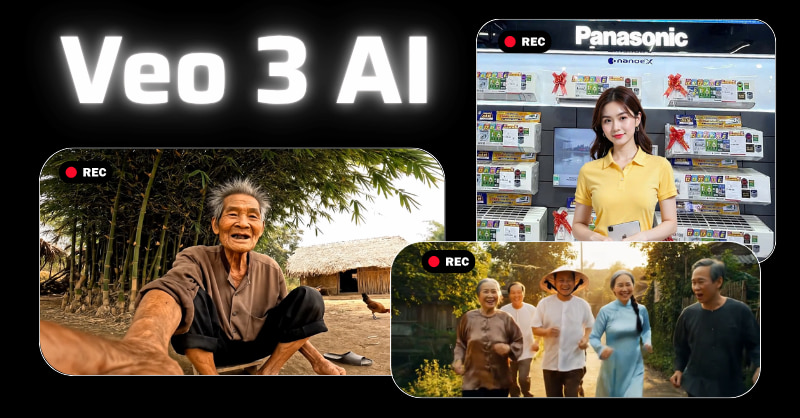
At the heart of Veo lies advanced machine learning techniques built on deep learning and video diffusion models. These technologies allow the system to interpret prompts not just as text, but as visual instructions. Instead of generating individual frames randomly, Veo analyzes motion patterns, object relationships, and temporal consistency to produce fluid video sequences.
One of the defining strengths of Veo is its ability to simulate physical realism. From shadows moving naturally across surfaces to characters maintaining consistent proportions, Veo aims to bridge the gap between imagination and cinematic realism. This level of detail relies heavily on massive training datasets that include diverse lighting scenarios, camera angles, and motion references.
Another essential component is prompt interpretation, which determines how effectively Veo translates user input into visual output. When a user describes a scene – such as a futuristic city skyline at sunset—Veo analyzes color cues, environmental details, and movement suggestions to construct a sequence that aligns with the intended narrative.
How Veo Changes the Video Creation Workflow
Traditional video production requires planning, filming, editing, sound design, and rendering—each step demanding time and resources. By contrast, Veo streamlines this entire process into a single prompt-driven workflow. Instead of coordinating large teams, creators can simply describe what they want and allow Veo to generate the visuals automatically.
This transformation dramatically reduces production barriers for small creators and startups. A single individual can now produce marketing content, tutorials, or cinematic storytelling without specialized equipment. With Veo, the concept of AI-powered production pipelines becomes more realistic than ever.
Moreover, Veo supports iterative creation. Users can generate multiple variations of the same scene and refine details through prompt adjustments. This flexibility encourages experimentation, allowing creators to explore different visual styles and storytelling directions without financial risk.
Visual Realism and Cinematic Quality in Veo
One of the most impressive aspects of Veo is its ability to replicate cinematic aesthetics. Unlike early video generation tools that produced short and unstable clips, Veo focuses on maintaining scene stability across longer sequences. This stability allows creators to produce narratives that feel immersive rather than fragmented.
Lighting plays a crucial role in cinematic storytelling, and Veo demonstrates strong performance in this area. Whether simulating sunlight filtering through trees or artificial lighting in urban settings, Veo attempts to maintain realistic illumination patterns. These details contribute to the perception of authenticity in generated videos.
Furthermore, Veo emphasizes camera movement simulation. Panning shots, zoom-ins, and tracking motions are handled with attention to smooth transitions. This level of detail helps transform static scenes into engaging visual stories, making Veo particularly appealing for content creators aiming to produce professional-looking media.

Applications of Veo Across Industries
The potential uses of Veo extend far beyond entertainment. In marketing, companies can generate promotional videos quickly without hiring production teams. Educational institutions can create animated lessons that explain complex topics visually, improving student engagement.
In the gaming industry, Veo can assist with concept visualization. Developers can generate cinematic previews or environmental scenes to test creative ideas before committing to full-scale production. This reduces development costs while improving creative flexibility.
Healthcare and training sectors also benefit from Veo. Simulation videos generated by Veo can demonstrate procedures or safety protocols, making learning more interactive. As AI video technology evolves, these applications will likely expand into new domains.
Integration of Veo with Creative Ecosystems
Modern content creation rarely relies on a single tool. Instead, creators use combinations of software for editing, sound design, and visual effects. Veo fits into this ecosystem by generating raw video assets that can be enhanced using traditional editing software.
For example, a creator might generate base footage with Veo, then refine it in professional editing tools to add sound effects, color grading, or transitions. This hybrid workflow allows human creativity to remain central while leveraging the efficiency of AI.
Another important factor is compatibility with cloud-based collaboration platforms. By enabling remote teams to share generated assets instantly, Veo supports collaborative storytelling in distributed environments. This is particularly valuable for international production teams.
Ethical Considerations and Responsible Use of Veo
As with any powerful technology, Veo introduces ethical challenges. The ability to generate realistic videos raises concerns about misinformation and deepfakes. Responsible development and usage policies are essential to prevent misuse.
Transparency is another key factor. When content is generated using Veo, it should be clearly labeled to maintain trust among viewers. This helps prevent confusion between authentic footage and AI-generated material.
Furthermore, data privacy remains a critical issue. Developers must ensure that training data used by Veo respects intellectual property rights and avoids unauthorized content usage. Ethical frameworks will play a vital role in shaping the long-term acceptance of AI-generated video technology.
Conclusion: The Expanding Influence of Veo in Digital Creativity
The emergence of Veo marks a turning point in the evolution of AI video generation. By transforming written prompts into cinematic sequences, Veo lowers barriers to professional video production and encourages creative experimentation across industries.
As the technology matures, Veo will likely become a foundational tool for digital storytelling, education, and marketing. However, responsible usage and ethical safeguards will remain essential to ensure that the benefits of Veo outweigh potential risks.
Ultimately, Veo represents more than just another AI tool – it symbolizes the growing partnership between human imagination and machine intelligence. As creators continue exploring its capabilities, the future of visual storytelling will become faster, more accessible, and more innovative than ever before.