 Game Reviews
 Mobile Games
 Game Online
 Game Updates
 AI & Artificial Intelligence
 AI News
 AI Comparisons
 AI Tools Reviews
Introduction
In recent years, artificial intelligence has advanced beyond text generation and entered the world of visual creativity. One of the most fascinating developments in this field is How Generative AI Creates Images, a process that allows computers to transform written descriptions into detailed visual artwork. This technology has dramatically changed how designers, marketers, and artists approach visual content creation.
The idea behind How Generative AI Creates Images is rooted in teaching machines to understand patterns within millions of visual samples. By learning from vast datasets of photographs, paintings, and illustrations, AI systems gain the ability to recognize shapes, textures, lighting, and composition. As a result, How Generative AI Creates Images has become one of the most influential innovations in modern digital production.
Another reason why How Generative AI Creates Images has gained global attention is its accessibility. Previously, creating professional visuals required years of training in design software. Today, anyone with a simple text prompt can generate complex images within seconds. This shift is transforming not only the creative industry but also education, advertising, and entertainment.
See more: https://prol5review.com/home
The Foundations Behind How Generative AI Creates Images
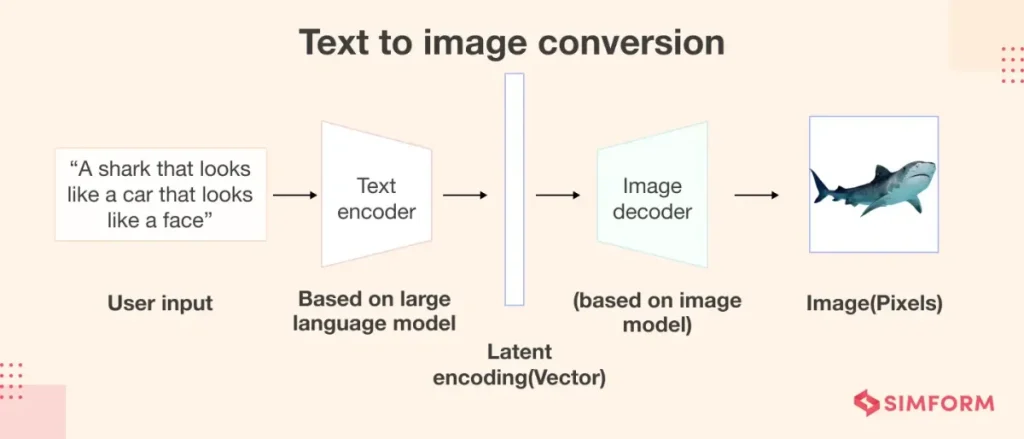
Understanding How Generative AI Creates Images begins with recognizing the role of machine learning models trained on large image datasets. These models analyze millions of visual samples to understand patterns such as color combinations, textures, and object structures. Through this process, How Generative AI Creates Images becomes possible because the AI learns relationships between visual elements.
Another key component of How Generative AI Creates Images involves neural networks that simulate how the human brain processes information. These networks identify edges, shapes, and visual layers, gradually building complex visual representations. Over time, the system becomes capable of generating entirely new images that resemble realistic artwork.
Additionally, How Generative AI Creates Images relies on training methods that refine image quality through repeated learning cycles. Each iteration improves accuracy and detail, allowing AI systems to produce clearer and more consistent results. This continuous learning process ensures that generated images evolve alongside technological improvements.
Understanding the Role of Data in How Generative AI Creates Images
Data plays a central role in determining how effectively How Generative AI Creates Images functions. Large datasets provide visual references that help AI systems learn the appearance of objects, environments, and artistic styles. Without sufficient training data, How Generative AI Creates Images would produce incomplete or inaccurate visuals.
Another critical factor in How Generative AI Creates Images is dataset diversity. When training data includes various art styles, cultural references, and lighting conditions, AI systems become more adaptable. This diversity allows How Generative AI Creates Images to generate visuals suitable for multiple industries, from realistic photography to abstract illustrations.
Furthermore, How Generative AI Creates Images requires careful data curation to maintain quality standards. Removing low-quality or biased images improves output accuracy and reduces visual errors. This attention to dataset quality ensures that AI-generated images remain consistent and reliable.
Diffusion Models and Their Role in How Generative AI Creates Images
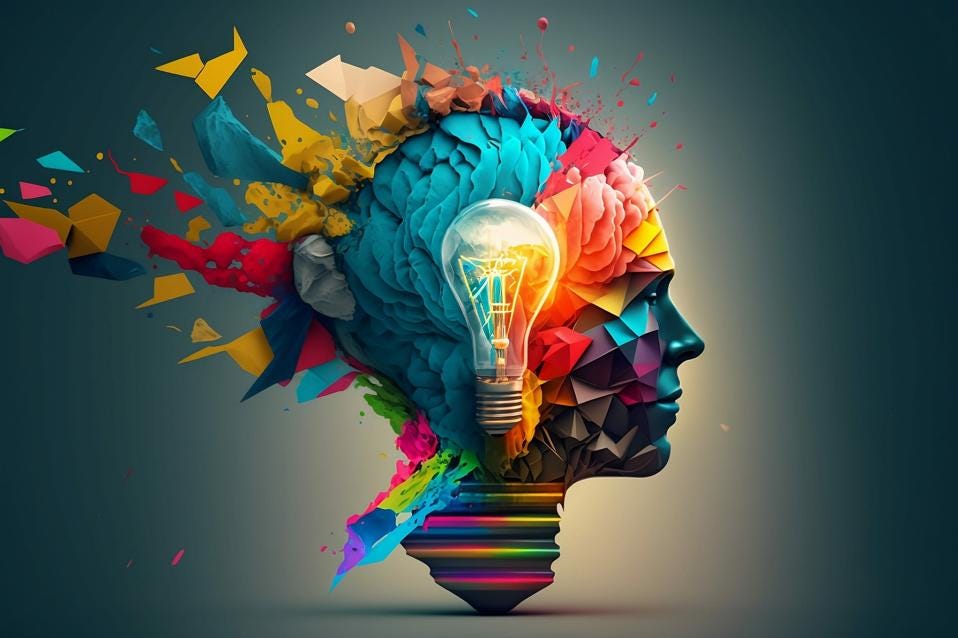
One of the most significant technological breakthroughs in How Generative AI Creates Images is the development of diffusion models. These models generate images by gradually refining noise into recognizable patterns. At the start, How Generative AI Creates Images begins with random pixel noise, which slowly transforms into structured visuals.
Another advantage of diffusion technology in How Generative AI Creates Images is its ability to produce high-resolution outputs. By refining images step by step, the system ensures smooth textures and detailed edges. This makes How Generative AI Creates Images particularly useful for professional design applications.
Additionally, diffusion models improve control over image style and composition. Users can adjust prompts to guide lighting, color schemes, or artistic effects. This flexibility allows How Generative AI Creates Images to support both technical design and creative experimentation.
The Prompting Process in How Generative AI Creates Images
Prompts act as instructions that guide the generation process in How Generative AI Creates Images. A well-structured prompt provides details about objects, colors, environment, and mood. The more descriptive the prompt, the more accurate How Generative AI Creates Images becomes.
Another important element in How Generative AI Creates Images is prompt refinement. Users often experiment with multiple versions of the same prompt to achieve the desired visual outcome. This iterative process allows How Generative AI Creates Images to adapt to creative feedback.
Furthermore, How Generative AI Creates Images supports advanced prompt techniques such as style references and lighting specifications. These features allow creators to produce visuals that match professional artistic standards. By mastering prompt design, users can unlock the full potential of AI-generated imagery.
Image Enhancement Techniques in How Generative AI Creates Images
After the initial generation stage, How Generative AI Creates Images often includes refinement processes to improve clarity and detail. These enhancements may involve sharpening textures, correcting colors, or adjusting contrast levels. Such refinements ensure that generated images meet professional quality expectations.
Another aspect of How Generative AI Creates Images involves upscaling technology. This method increases image resolution without losing detail, making visuals suitable for printing or large-format displays. Upscaling plays a significant role in commercial applications such as marketing materials and product design.
Additionally, How Generative AI Creates Images includes noise reduction techniques that remove unwanted artifacts. These improvements enhance image realism and create smoother visual transitions. As enhancement technologies evolve, the quality of AI-generated images continues to improve.
Applications Across Industries Using How Generative AI Creates Images
The versatility of How Generative AI Creates Images has led to widespread adoption across multiple industries. In advertising, businesses use AI-generated visuals to create promotional materials quickly. This reduces design costs while maintaining high visual quality.
Another important application of How Generative AI Creates Images appears in the entertainment industry. Film studios and game developers use AI tools to design characters, environments, and concept art. This accelerates creative workflows and enables faster project development.
Education also benefits from How Generative AI Creates Images by allowing teachers to create custom visual materials. From scientific diagrams to historical reconstructions, AI-generated imagery enhances learning experiences. This adaptability makes How Generative AI Creates Images valuable in academic settings.
Limitations and Challenges in How Generative AI Creates Images
Despite its capabilities, How Generative AI Creates Images still faces technical limitations. Generating highly complex scenes with multiple interacting elements remains challenging. Small inconsistencies may appear, especially in detailed environments.
Another challenge in How Generative AI Creates Images involves maintaining realism across large-scale projects. Consistency between multiple generated images can require careful prompt adjustments. This highlights the importance of user expertise in achieving optimal results.
Additionally, How Generative AI Creates Images must address ethical considerations related to originality and copyright. Ensuring responsible usage helps maintain trust in AI-generated content. Developers continue working to improve transparency and accountability in image generation systems.
The Future of Visual Creation Through How Generative AI Creates Images
Looking ahead, the evolution of How Generative AI Creates Images will likely lead to even more advanced visual capabilities. Future systems may generate interactive images that respond to user input in real time. This would transform static visuals into dynamic experiences.
Another exciting possibility in How Generative AI Creates Images is the integration with virtual and augmented reality technologies. By combining AI-generated visuals with immersive environments, creators can design fully interactive digital worlds.
Furthermore, improvements in computational power will enhance rendering speed and resolution. As these advancements continue, How Generative AI Creates Images will become an essential tool for digital creators worldwide.
Conclusion: The Transformational Power of How Generative AI Creates Images
The concept of How Generative AI Creates Images represents a major breakthrough in modern technology. By combining machine learning, neural networks, and diffusion models, AI systems can produce visuals that rival traditional design methods.
As industries continue adopting AI-powered tools, How Generative AI Creates Images will reshape the future of creativity and communication. However, responsible implementation and continuous innovation remain essential for maximizing its benefits.
Ultimately, How Generative AI Creates Images demonstrates how artificial intelligence can transform imagination into visual reality. Its growing influence highlights the expanding role of AI in shaping the digital landscape.
Follow us on Facebook: https://www.facebook.com/share/1CFA8qxACT/