
 Game Reviews
 Mobile Games
 Game Online
 Game Updates
 AI & Artificial Intelligence
 AI News
 AI Comparisons
 AI Tools Reviews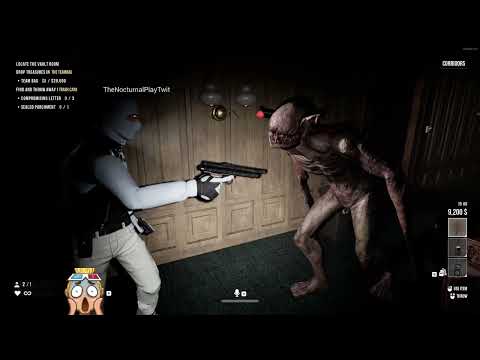
Introduction: Fear Is Stronger When You’re Not Alone
Most horror games rely on isolation. They place players in abandoned buildings, dark forests, or haunted locations and ask them to survive alone. Dark Hours takes a different approach. Instead of making loneliness the source of fear, it transforms cooperation into a vulnerability. You are not facing the darkness by yourself, but somehow that makes the experience even more unsettling.
At first glance, Dark Hours gameplay appears to blend familiar elements from cooperative horror titles with stealth mechanics and survival objectives. However, after spending time with the game, it becomes clear that the true appeal lies in its atmosphere. Every corridor feels unsafe, every sound feels important, and every teammate suddenly becomes someone you desperately hope survives the next encounter.
What makes Dark Hours particularly memorable is its ability to create stories naturally. The game rarely relies on scripted jump scares. Instead, fear emerges from uncertainty. Players never know exactly when the situation will spiral out of control, and that unpredictability keeps tension high from beginning to end.
See more: https://prol5review.com/home
1. The Premise: A Routine Job Becomes a Nightmare
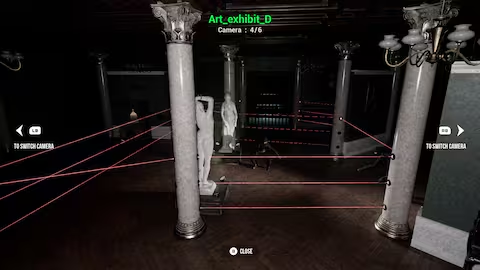
The setup of Dark Hours is simple yet effective. A group of criminals enters a location expecting an easy robbery, only to discover that something far more terrifying is already inside. This immediate shift from confidence to panic creates a strong foundation for the entire experience.
Unlike many horror games that spend hours building toward danger, Dark Hours horror gameplay introduces tension almost immediately. Players quickly realize that completing objectives is only one part of the challenge. Staying alive becomes equally important.
This premise works because it feels believable within the game’s world. The characters are not trained soldiers or supernatural hunters. They are ordinary people trapped in an extraordinary situation, making the Dark Hours survival experience feel grounded despite its horror elements.
2. Atmosphere: Darkness Used as a Weapon
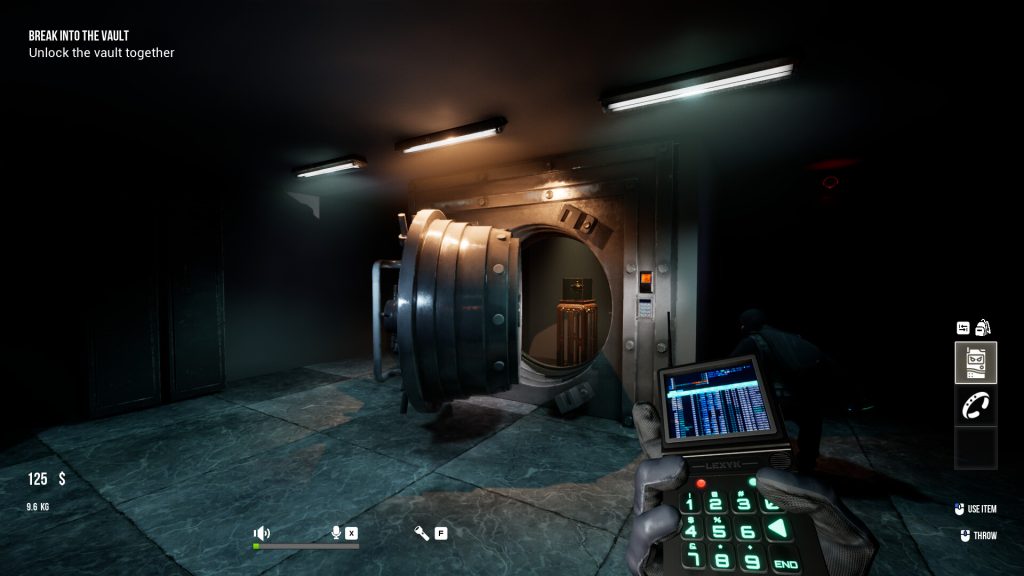
Atmosphere is arguably the strongest aspect of Dark Hours gameplay. The environments are not simply dark for the sake of appearance. Darkness actively influences player behavior, forcing teams to move cautiously and communicate constantly.
The lighting design in Dark Hours horror environments deserves particular praise. Flashlights provide limited visibility, creating situations where players can never see everything around them. This uncertainty becomes a constant source of anxiety.
Even when nothing is happening, the atmosphere remains effective. Empty hallways, distant noises, and the possibility of danger lurking nearby make Dark Hours tension-building mechanics incredibly successful at keeping players on edge.
3. Cooperative Gameplay: Strength Through Teamwork
Cooperation sits at the center of Dark Hours multiplayer gameplay. While individual skill matters, surviving alone is rarely a viable long-term strategy. Players must communicate, share information, and coordinate movements.
One of the most interesting aspects of Dark Hours co-op mechanics is how quickly teamwork becomes essential. Simple tasks often require multiple players, encouraging groups to stay connected despite the risks.
At the same time, cooperation introduces emotional tension. When a teammate gets separated or trapped, difficult decisions emerge. Do you attempt a rescue or prioritize your own survival? These moments give the Dark Hours cooperative experience genuine emotional weight.
4. The Monster: An Unpredictable Threat
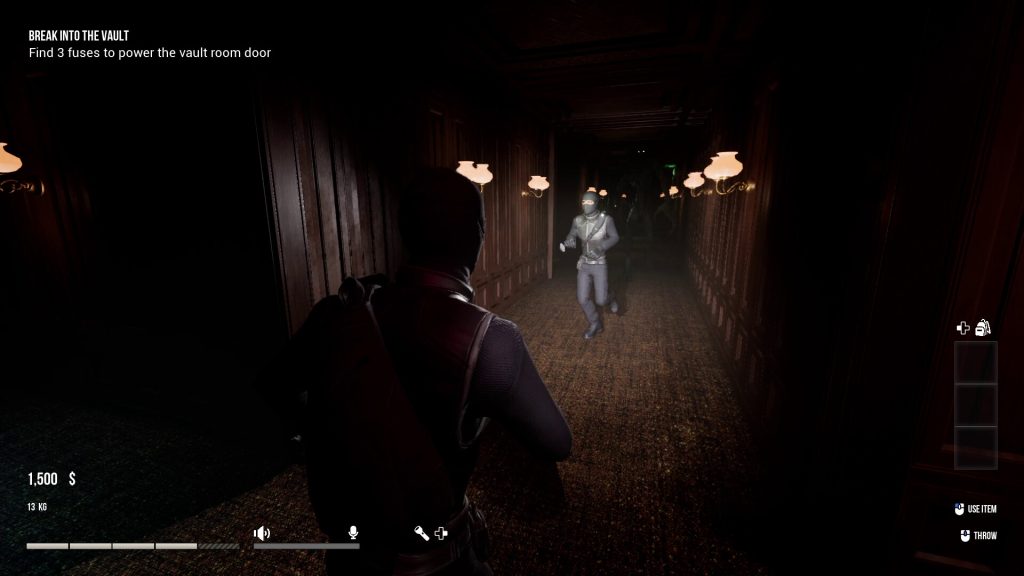
A horror game is only as effective as its antagonist, and Dark Hours monster design succeeds because it avoids predictability. The creature feels dangerous not because it is unstoppable, but because players can never fully understand its behavior.
Unlike scripted horror enemies that follow obvious patterns, the threat in Dark Hours survival horror gameplay creates uncertainty. Players are constantly forced to adapt rather than rely on memorized strategies.
This unpredictability transforms every encounter into a tense experience. Even experienced players often find themselves making mistakes under pressure, which keeps the Dark Hours horror mechanics engaging long after the initial fear begins to fade.
5. Stealth and Survival: Every Movement Matters
Combat is not always the answer in Dark Hours gameplay. In many situations, avoiding detection is significantly more effective than confronting danger directly. This emphasis on stealth changes the pacing dramatically.
The Dark Hours stealth system encourages patience. Running carelessly through environments often leads to disaster, while careful movement and observation greatly improve survival chances.
Because resources are limited, players constantly weigh risks and rewards. This creates a compelling loop where every decision feels meaningful, strengthening the overall Dark Hours survival horror experience.
6. Sound Design: The Invisible Source of Fear
Few elements contribute more to the effectiveness of Dark Hours atmosphere than its sound design. Horror games often rely on visual scares, but here, audio frequently creates tension before players even see a threat.
Footsteps, distant noises, and environmental sounds all contribute to the sense of unease. The Dark Hours audio design constantly feeds information to players while simultaneously making them question what they are hearing.
The result is an experience where silence can feel just as frightening as action. Many of the most memorable moments in Dark Hours gameplay occur not because something appears on screen, but because players hear something they cannot immediately explain.
7. Progression and Replayability
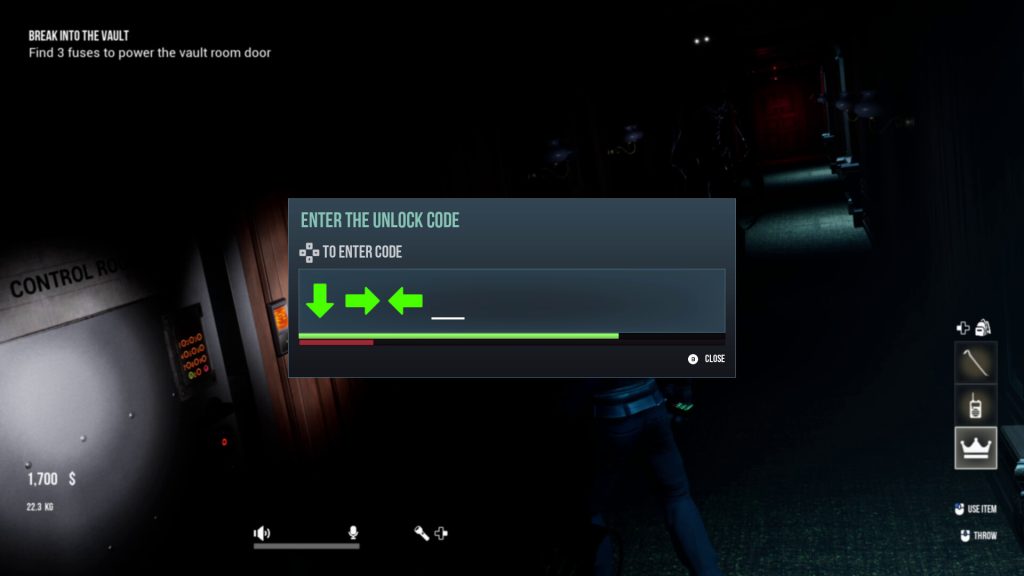
One challenge faced by many cooperative horror games is maintaining replay value after players understand the mechanics. Fortunately, Dark Hours replayability benefits from its dynamic encounters and unpredictable scenarios.
Because each session unfolds differently, players rarely experience the exact same sequence of events. The Dark Hours procedural tension system ensures that matches retain a degree of unpredictability.
This variability encourages repeated play sessions. Even when players become familiar with objectives, the changing circumstances continue to generate new challenges within the Dark Hours multiplayer experience.
8. Visual Presentation and Environmental Design
Visually, Dark Hours graphics focus less on technical spectacle and more on supporting atmosphere. The environments feel believable, detailed enough to create immersion without distracting from gameplay.
The environmental design in Dark Hours horror settings contributes significantly to storytelling. Abandoned rooms, damaged structures, and subtle visual details suggest that something terrible has already happened long before players arrive.
This environmental storytelling strengthens immersion by allowing players to piece together clues naturally rather than relying solely on exposition. It helps the Dark Hours world-building feel more authentic and engaging.
9. The Emotional Impact of Failure
Failure in Dark Hours gameplay often feels surprisingly personal. Because players invest time into cooperation and planning, mistakes carry emotional consequences beyond simple mechanical setbacks.
Watching a teammate get caught or realizing a rescue attempt has gone wrong creates moments of genuine tension. The Dark Hours cooperative survival system amplifies these emotions because players share responsibility for outcomes.
This emotional investment is one of the game’s greatest strengths. Success feels rewarding because failure feels meaningful, making the Dark Hours horror experience more memorable than many traditional survival games.
10. Strengths, Weaknesses, and Overall Identity
The greatest strength of Dark Hours is its atmosphere. Every mechanic, from sound design to lighting, works together to create sustained tension. The game understands that fear often comes from anticipation rather than sudden shocks.
However, some players may find the slower pacing challenging. The Dark Hours stealth-focused gameplay emphasizes caution and observation, which may not appeal to those seeking constant action.
Despite this, the game’s identity remains remarkably clear. It is a cooperative horror experience built around tension, teamwork, and uncertainty. Rather than trying to imitate every successful horror game, Dark Hours gameplay focuses on its strengths and executes them effectively.
Conclusion: A Horror Game That Understands the Power of Tension
Dark Hours succeeds because it recognizes a simple truth about horror: what players imagine is often more frightening than what they actually see. Instead of overwhelming players with constant scares, the game carefully builds tension through atmosphere, sound, and uncertainty.
The cooperative structure adds another layer of depth, transforming survival into a shared responsibility. Every decision matters because every teammate matters. This emotional connection elevates the Dark Hours multiplayer horror experience beyond simple jump scares and scripted encounters.
While it may not reinvent the horror genre, Dark Hours delivers a compelling and memorable experience by focusing on atmosphere and teamwork. For players who enjoy cooperative survival horror where tension remains high from beginning to end, it offers a dark and rewarding journey that is difficult to forget.
Follow us on Facebook: https://www.facebook.com/share/1CFA8qxACT/
Get Game Website Link