
 Game Reviews
 Mobile Games
 Game Online
 Game Updates
 AI & Artificial Intelligence
 AI News
 AI Comparisons
 AI Tools Reviews
Modern vehicles are evolving rapidly, integrating intelligent systems that enhance safety and improve driving comfort. Among these innovations, Lane Keeping Assist Technology has emerged as one of the most practical and widely adopted driver-assistance features. Designed to help vehicles remain within their lanes, this technology reduces the risk of unintentional lane departure – one of the leading causes of road accidents worldwide.
As transportation systems become smarter and more connected, Lane Keeping Assist Technology Explained offers insight into how vehicles use sensors, cameras, and software to support drivers in real time. This detailed review explores the origins, functionality, advantages, limitations, and future development of lane keeping systems, presenting a clear and structured explanation of how this technology works and why it is becoming essential in modern vehicles.
See more: https://prol5review.com/home
1. The Evolution of Lane Safety Technology
Early Challenges in Lane Discipline
Maintaining proper lane discipline has always been a critical component of safe driving. However, fatigue, distraction, and poor visibility frequently lead to unintended lane departures. Historically, drivers relied solely on road markings and personal attention to stay within lanes.
As traffic density increased and highways became more complex, the need for technological assistance became apparent. Automakers began developing early warning systems that alerted drivers when their vehicles drifted out of their designated lanes.
From Lane Departure Warning to Lane Keeping Assist
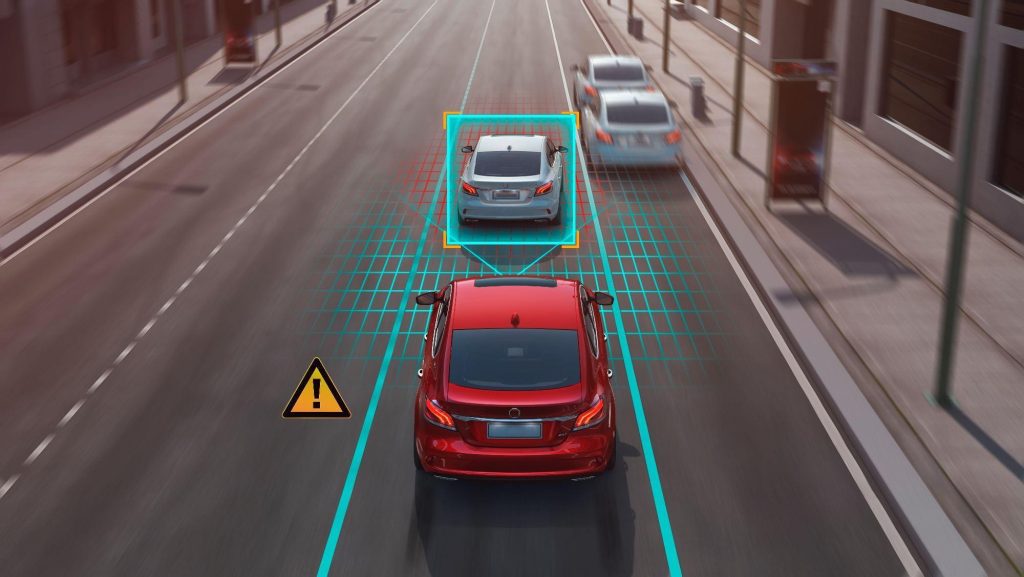
The first step toward modern lane assistance systems was Lane Departure Warning (LDW) technology. These systems used cameras to detect lane markings and issued alerts when the vehicle unintentionally crossed them.
Lane Keeping Assist represents the next stage in this evolution. Rather than only warning the driver, Lane Keeping Assist Technology actively intervenes by gently adjusting the steering wheel to guide the vehicle back into the center of the lane.
2. Understanding the Core Purpose of Lane Keeping Assist
Preventing Unintentional Lane Departure
The primary function of Lane Keeping Assist Technology is to prevent vehicles from drifting out of their lanes unintentionally. This is especially valuable during long drives where driver fatigue may reduce concentration.
By continuously monitoring the vehicle’s position relative to lane markings, the system can detect when the vehicle begins to deviate without the use of turn signals. Once deviation is detected, corrective action is applied.
Supporting Driver Awareness and Safety
While the system assists in steering, it does not replace the driver. Instead, it enhances awareness and helps maintain control in situations where attention may lapse momentarily.
This supportive role makes lane keeping systems particularly valuable for highway driving, where consistent lane positioning is essential for safety and efficiency.

3. Key Components of Lane Keeping Assist Systems
Camera-Based Lane Detection
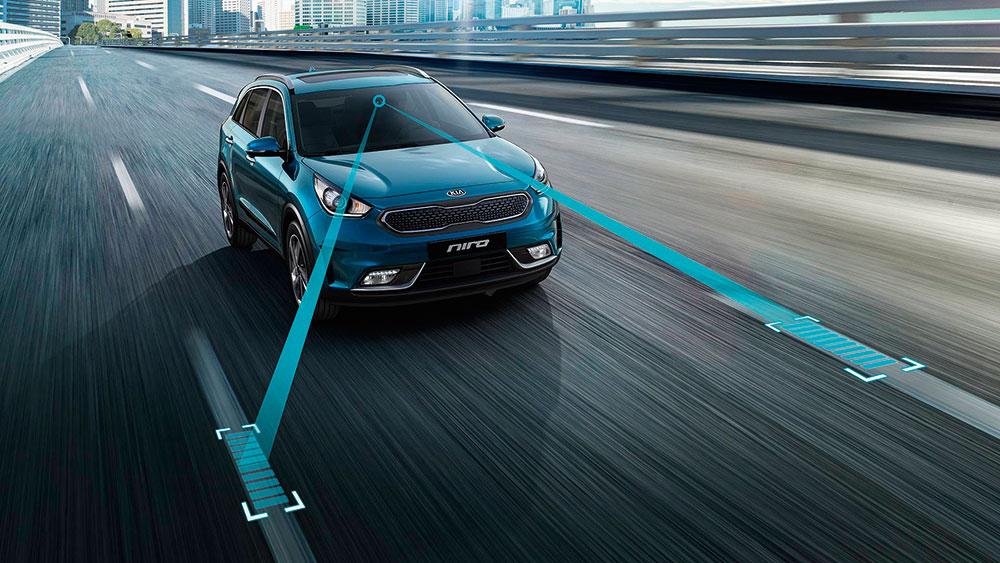
Cameras are the most important hardware components in Lane Keeping Assist Technology. Typically mounted near the windshield, these cameras capture real-time images of the road ahead.
The captured data is analyzed to identify lane markings, road edges, and directional patterns. Advanced image-processing algorithms allow the system to differentiate between various types of road markings.
Sensors and Steering Control Mechanisms
In addition to cameras, the system relies on sensors that measure steering angle, vehicle speed, and yaw rate. These inputs provide valuable context for determining the vehicle’s exact position within a lane.
Once the system detects deviation, electronic steering mechanisms apply subtle corrections. These corrections are gentle enough to maintain comfort while effectively guiding the vehicle back to the center of the lane.
4. How Lane Keeping Assist Technology Works in Real Time
Continuous Monitoring of Lane Position
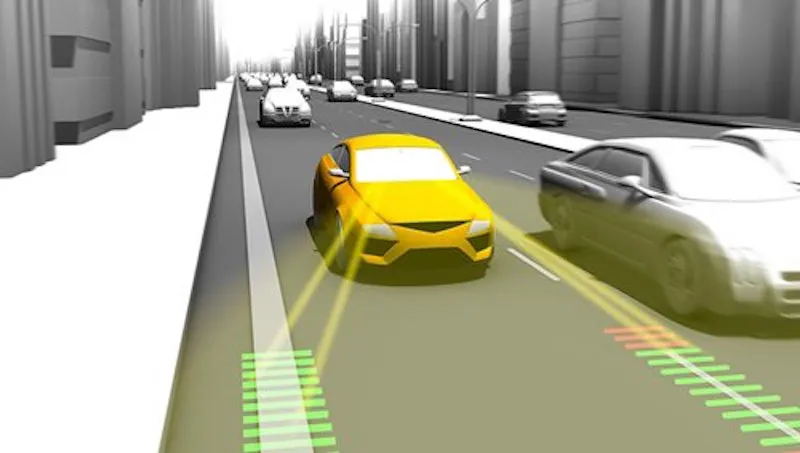
The system continuously tracks lane markings and calculates the vehicle’s position relative to the center of the lane. This monitoring occurs multiple times per second.
When the system detects a drift toward lane boundaries, it evaluates whether the movement is intentional or accidental. If the driver uses a turn signal, the system recognizes that lane departure is intentional and does not intervene.
Automatic Steering Intervention
If the system determines that the lane departure is unintentional, it activates steering assistance. The steering correction is usually subtle and designed to guide the vehicle smoothly back into position.
This automated correction reduces the likelihood of side collisions or roadway departures, particularly on highways and multi-lane roads.
5. Integration with Other Driver Assistance Systems
Working Alongside Adaptive Cruise Control
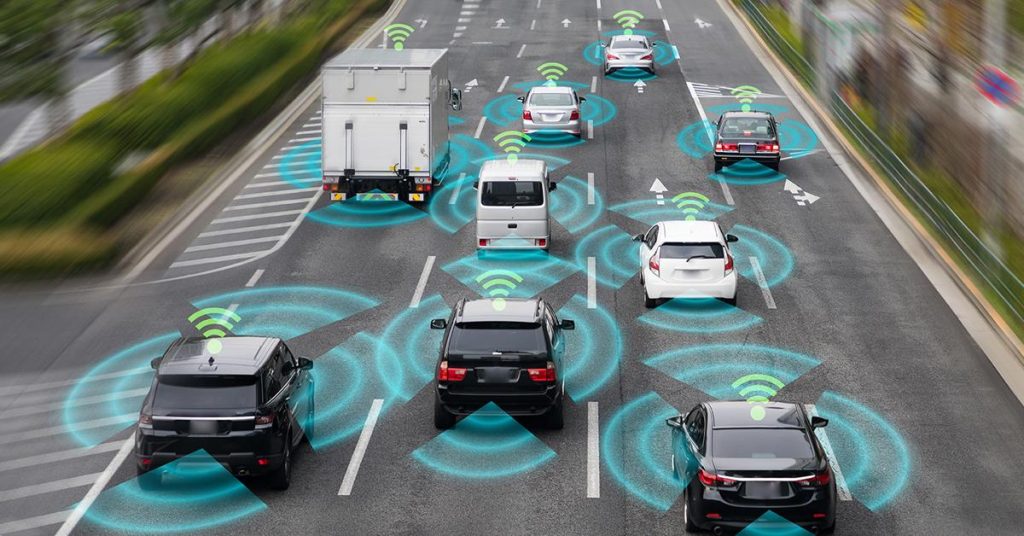
Modern vehicles often combine Lane Keeping Assist Technology with Adaptive Cruise Control (ACC). This integration enables semi-autonomous driving capabilities, especially on highways.
Together, these systems maintain speed, following distance, and lane positioning. This coordinated functionality reduces driver workload and enhances overall driving comfort.
Connection with Autonomous Driving Features
Lane keeping technology also serves as a foundational component for more advanced autonomous driving systems. Self-driving vehicles rely heavily on accurate lane detection and positioning.
By integrating with other systems such as collision avoidance and traffic sign recognition, lane keeping assistance becomes part of a comprehensive safety ecosystem.
6. Safety Benefits and Real-World Impact
Reducing Lane Departure Accidents
Lane departure accidents are among the most common types of roadway incidents. These accidents often occur due to fatigue or distraction.
Lane Keeping Assist Technology significantly reduces the likelihood of such accidents by providing immediate corrective action. This improvement contributes to safer road environments for both drivers and pedestrians.
Enhancing Driver Confidence
Drivers often report increased confidence when using lane assistance systems. Knowing that the vehicle can provide support during unexpected moments helps reduce stress.
This psychological benefit is particularly valuable for long-distance driving, where maintaining focus for extended periods can be challenging.
7. Limitations and Environmental Challenges
Dependence on Visible Lane Markings
Despite its advantages, Lane Keeping Assist Technology relies heavily on visible lane markings. Poorly maintained roads or faded markings can reduce system accuracy.
Environmental factors such as snow, heavy rain, or fog may also obscure lane lines, limiting the system’s effectiveness.
Driver Responsibility Remains Essential
Although lane keeping systems provide steering assistance, they are not substitutes for attentive driving. Drivers must remain alert and ready to take control at any time.
Understanding these limitations ensures that drivers use the technology responsibly and safely.
8. User Experience and Driver Interaction
Feedback Through Visual and Audio Alerts
To maintain effective communication with drivers, Lane Keeping Assist Technology uses visual indicators and audio alerts. Dashboard displays typically show lane markings and system status.
If the system detects repeated drifting, it may issue warnings encouraging the driver to stay attentive.
Customization and Driving Preferences
Many vehicles allow drivers to customize lane keeping settings. Options may include adjusting sensitivity levels or enabling vibration alerts through the steering wheel.
These customization features enhance usability by allowing drivers to tailor the system according to personal preferences.
9. Industry Adoption and Market Trends
Increasing Availability in Modern Vehicles
Lane keeping systems were once limited to luxury vehicles, but they are now available across a wide range of models. As manufacturing costs decrease, this technology is becoming standard in many mid-range vehicles.
Government safety regulations in several regions also encourage the adoption of lane assistance technologies as part of advanced driver safety programs.
Consumer Expectations and Market Demand
Modern drivers increasingly expect intelligent safety features in their vehicles. As awareness of road safety grows, demand for lane keeping systems continues to rise.
Automakers are responding by integrating more advanced versions of Lane Keeping Assist Technology into their latest vehicle models.
10. The Future of Lane Keeping Assist Technology
Advancements in Artificial Intelligence
Future lane keeping systems are expected to incorporate more sophisticated artificial intelligence algorithms. These systems will better recognize road patterns and adapt to complex environments.
AI-driven improvements will enhance accuracy and enable smoother transitions between lanes in semi-autonomous driving scenarios.
Toward Fully Autonomous Driving Systems
Lane keeping technology represents a critical step toward fully autonomous vehicles. As sensor accuracy improves and data processing becomes faster, vehicles will gain greater independence in navigating roads.
The continued evolution of Lane Keeping Assist Technology will play a major role in shaping the future of intelligent transportation systems.
Conclusion
Lane Keeping Assist Technology has transformed the way modern vehicles support driver safety. By combining advanced cameras, sensors, and intelligent steering systems, this technology provides real-time assistance that reduces lane departure risks and enhances overall driving stability.
From its origins as a simple warning system to its current role as an active steering assistant, lane keeping technology has become an essential component of modern vehicle safety systems. While challenges remain, particularly in adverse weather conditions – the ongoing integration of artificial intelligence and sensor advancements promises significant improvements in reliability and performance.
As vehicles continue to evolve toward higher levels of automation, lane keeping systems will remain a cornerstone of intelligent mobility. By helping drivers maintain proper lane positioning and reducing accident risks, this technology contributes to safer roads and a more confident driving experience for users worldwide.
Follow us on Facebook: https://www.facebook.com/share/1CFA8qxACT/