
 Game Reviews
 Mobile Games
 Game Online
 Game Updates
 AI & Artificial Intelligence
 AI News
 AI Comparisons
 AI Tools Reviews
Introduction
Artificial intelligence continues to transform visual media, especially in the field of video generation. One of the most discussed innovations in this area is Kling, an advanced AI model designed to create realistic video content from text prompts. Unlike early video generation systems that produced short or unstable clips, Kling focuses on motion realism and environmental consistency, making it a significant milestone in the evolution of generative video technology.
The concept behind Kling reflects a shift toward physics-aware artificial intelligence. Instead of generating random frames, Kling simulates how objects behave in real-world conditions, such as gravity, movement, and interaction with surroundings. This ability allows Kling to generate videos that appear natural and believable rather than artificial.
Another important factor contributing to the popularity of Kling is its accessibility to creators across multiple industries. From social media marketing to educational media, the demand for fast and visually engaging video content continues to grow. By enabling prompt-based video creation, Kling reduces production complexity while expanding creative possibilities.
See more: https://prol5review.com/home

The Origins and Development of Kling
The development of Kling represents years of research into computer vision and generative modeling. Early experiments in video generation focused on producing short animations, but these lacked stability and realism. As computational resources improved, Kling emerged as a next-generation model capable of producing longer and more coherent video sequences.
One major milestone in the evolution of Kling involved the integration of physics-based learning systems. These systems analyze real-world movement patterns to understand how objects interact naturally. Through this learning process, Kling gained the ability to simulate realistic motion across complex scenes.
Another factor behind the growth of Kling is the increasing demand for automated visual production tools. Modern digital platforms require constant content creation, and manual video production often becomes time-consuming. By offering automated workflows, Kling addresses this growing need.
Core Technology Driving Kling
At its core, Kling relies on advanced deep learning architectures designed to process both spatial and temporal data. Unlike image-generation models that focus only on static visuals, Kling understands how scenes evolve over time. This allows Kling to generate video sequences that maintain continuity across frames.
One of the defining features of Kling is its physics simulation capability. Instead of approximating motion randomly, Kling predicts how objects should behave according to physical laws. This improves realism in scenes involving movement, collisions, or environmental changes.
Additionally, Kling integrates diffusion-based rendering systems. These systems gradually refine visual details, ensuring smooth transitions between frames. This refinement process enables Kling to deliver high-resolution outputs suitable for professional use.
Prompt-to-Video Workflow in Kling
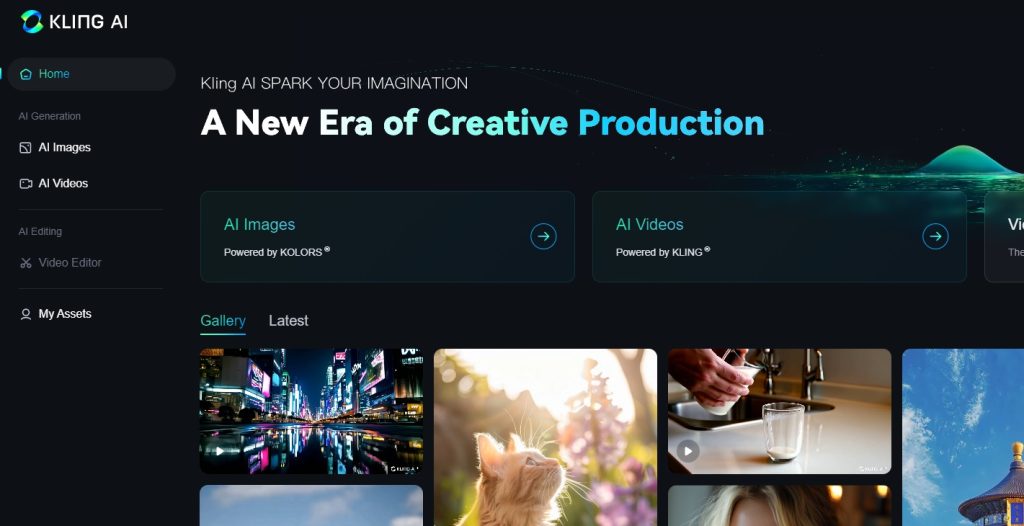
One of the most revolutionary aspects of Kling is its prompt-driven workflow. Users can describe scenes using natural language, and Kling converts these descriptions into dynamic video sequences. This removes the need for manual animation and editing.
Another advantage of the prompt-based workflow in Kling is its iterative flexibility. Creators can refine prompts to adjust lighting, motion speed, or camera angles. This allows Kling to support experimental storytelling without requiring expensive production resources.
Furthermore, Kling supports layered instructions that control multiple aspects of a scene simultaneously. By combining environmental details with character movement descriptions, Kling enables complex video generation through simple text input.

Realism and Motion Accuracy in Kling
Realism remains one of the most important factors in video generation, and Kling addresses this through motion accuracy. By analyzing physical movement patterns, Kling generates transitions that appear smooth and consistent. This prevents visual artifacts that were common in earlier models.
Another element contributing to realism in Kling is lighting simulation. Shadows, reflections, and color transitions are calculated dynamically to match scene conditions. This makes videos generated by Kling visually convincing and immersive.
Additionally, Kling improves environmental interaction modeling. Whether simulating water movement or object collisions, Kling ensures that actions follow logical sequences. These details enhance the authenticity of generated visuals.
Applications of Kling Across Industries
The flexibility of Kling makes it suitable for a wide range of industries. In marketing, businesses use Kling to create promotional videos quickly, reducing the cost associated with traditional production. This allows brands to produce frequent updates without sacrificing quality.
Another major application of Kling appears in education and training. Instructional videos generated using Kling help explain complex topics visually. This improves learning efficiency and engagement among students.
The entertainment industry also benefits from Kling, particularly in concept visualization. Filmmakers and game designers use Kling to create scene prototypes before full production begins. This accelerates creative workflows and reduces development risks.
Workflow Integration and Productivity Gains with Kling
Modern content creation involves multiple tools working together, and Kling integrates effectively into existing production pipelines. Generated videos can be exported into editing software for additional enhancements such as sound design or visual effects.
Another productivity benefit of Kling lies in its rapid generation speed. Instead of waiting hours for rendering, creators can produce multiple video variations within minutes. This accelerates project timelines and improves workflow efficiency.
Furthermore, Kling supports collaborative production environments. Teams can share prompts and generated assets across cloud-based platforms, enabling seamless teamwork across locations.
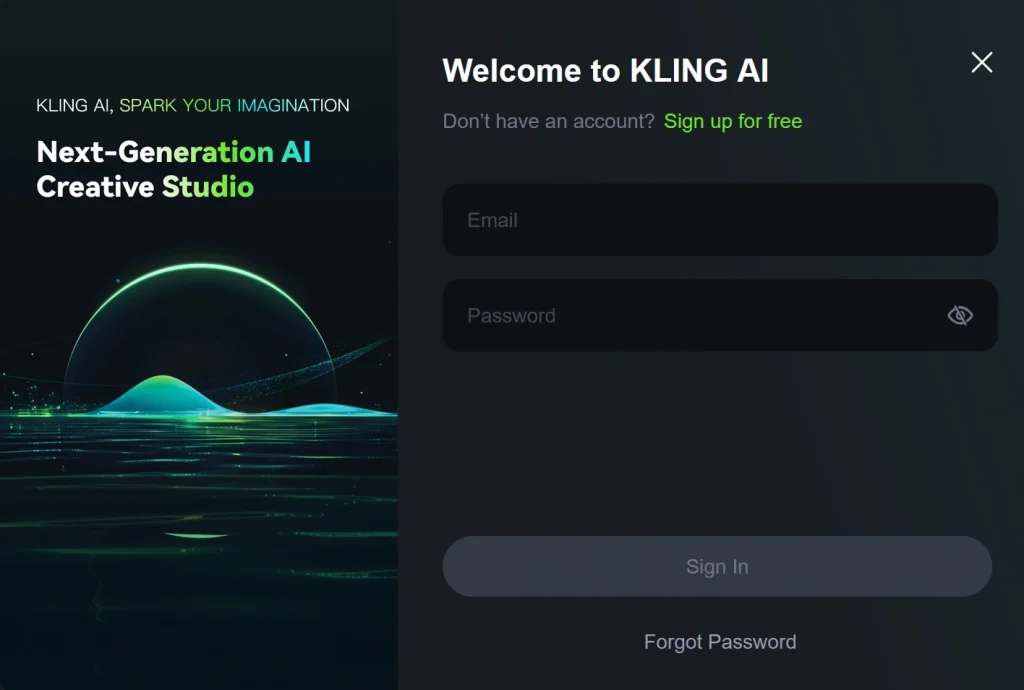
Comparing Kling with Traditional Video Production
Traditional video production requires cameras, lighting equipment, and editing software. By contrast, Kling replaces many of these physical requirements with digital workflows. This reduces production costs and increases accessibility for independent creators.
Another difference between Kling and traditional methods lies in scalability. Producing multiple video variations manually can be expensive and time-consuming. With Kling, creators can generate variations instantly, allowing faster experimentation.
Despite these advantages, traditional production still plays a role in capturing real-world authenticity. While Kling excels in digital simulation, human creativity remains essential for storytelling and direction.
Challenges and Limitations of Kling
Although Kling offers impressive capabilities, certain technical challenges remain. Generating extremely long videos with perfect continuity is still difficult. Some scenes may require additional refinement to maintain visual consistency.
Another limitation of Kling involves computational demands. High-resolution video generation requires significant processing power, which may limit accessibility for smaller teams.
Additionally, ethical considerations remain an important topic. As Kling produces increasingly realistic visuals, ensuring responsible usage becomes essential to prevent misuse or misinformation.
The Future of Video Creation with Kling
The future of Kling appears promising as research in artificial intelligence continues advancing. Improvements in real-time rendering may enable instant video generation during live broadcasts. This would expand the range of applications for Kling.
Another expected development involves deeper integration with virtual and augmented reality platforms. By combining immersive environments with generated visuals, Kling may redefine how audiences interact with digital media.
Furthermore, advancements in AI reasoning could allow Kling to generate full-length narratives automatically. This would transform filmmaking into a more accessible and efficient process.
Conclusion: The Expanding Role of Kling in AI Video Generation
The introduction of Kling represents a major advancement in the field of AI-generated video technology. By combining physics-based modeling with prompt-driven workflows, Kling enables creators to produce realistic visual content with minimal effort.
As industries continue adopting automated production tools, Kling will likely become an essential component of modern media workflows. Its ability to simplify video generation while maintaining realism positions it as a key technology for the future of digital storytelling.
Ultimately, Kling demonstrates how artificial intelligence can transform the process of video creation into a faster, more efficient, and highly creative experience.
Follow us on Facebook: https://www.facebook.com/share/1CFA8qxACT/