
 Game Reviews
 Mobile Games
 Game Online
 Game Updates
 AI & Artificial Intelligence
 AI News
 AI Comparisons
 AI Tools Reviews
The Growing Demand for Claude in Modern Software Development
The modern technology landscape has dramatically increased the demand for faster development cycles, cleaner code, and scalable automation. In this environment, tools like Claude have emerged as powerful assistants capable of transforming how developers approach coding tasks. Instead of manually writing repetitive logic or searching through documentation for solutions, developers increasingly rely on Claude to generate structured code and provide reliable technical explanations.
Another reason for the growing adoption of Claude is the increasing complexity of modern applications. Software systems now include APIs, databases, cloud infrastructure, and user interfaces that must work together seamlessly. By using Claude, developers can quickly generate boilerplate code, validate syntax, and automate repetitive development steps, saving valuable time and effort across projects.
As software development continues evolving toward agile workflows, the role of automation becomes even more critical. Teams using Claude often report improved productivity because the AI reduces friction between ideation and implementation. Instead of slowing down during complex tasks, developers can maintain momentum by letting Claude handle routine coding operations.
See more: https://prol5review.com/home

Understanding the Architecture Behind Claude
At its core, Claude is built on large language model architecture designed to process natural language instructions and convert them into logical outputs. Unlike older automation scripts that required rigid syntax, Claude understands context, allowing developers to describe problems in plain English and receive structured code as a response. This flexibility makes Claude particularly useful for both beginners and experienced developers.
One of the defining strengths of Claude lies in its ability to analyze code structure before generating new content. Rather than producing random outputs, Claude evaluates the relationships between variables, functions, and dependencies to maintain logical consistency. This reduces errors and ensures that generated code aligns with project requirements.
Another essential aspect of Claude is its ability to work across multiple programming languages. Whether developers are working with Python, JavaScript, Java, or C#, Claude can adapt its output to match the syntax and conventions of each environment. This multi-language capability enables teams to integrate Claude into diverse development ecosystems.
How Claude Simplifies Writing Code
Writing code often involves repetitive structures such as loops, conditionals, and data validation routines. These tasks can be time-consuming, especially in large projects. By leveraging Claude, developers can generate foundational code blocks instantly, allowing them to focus on higher-level design and logic.
Another benefit of using Claude for code generation is its ability to produce readable and organized output. Many developers struggle with maintaining consistent formatting across large codebases. By relying on Claude, teams can ensure that generated code follows standardized patterns, improving maintainability and collaboration.
Beyond generating new code, Claude also supports code completion and suggestion workflows. Developers can input partial logic and allow Claude to propose optimized implementations. This collaborative interaction between human and AI significantly reduces the mental load associated with debugging and rewriting existing functions.
Automating Repetitive Tasks with Claude
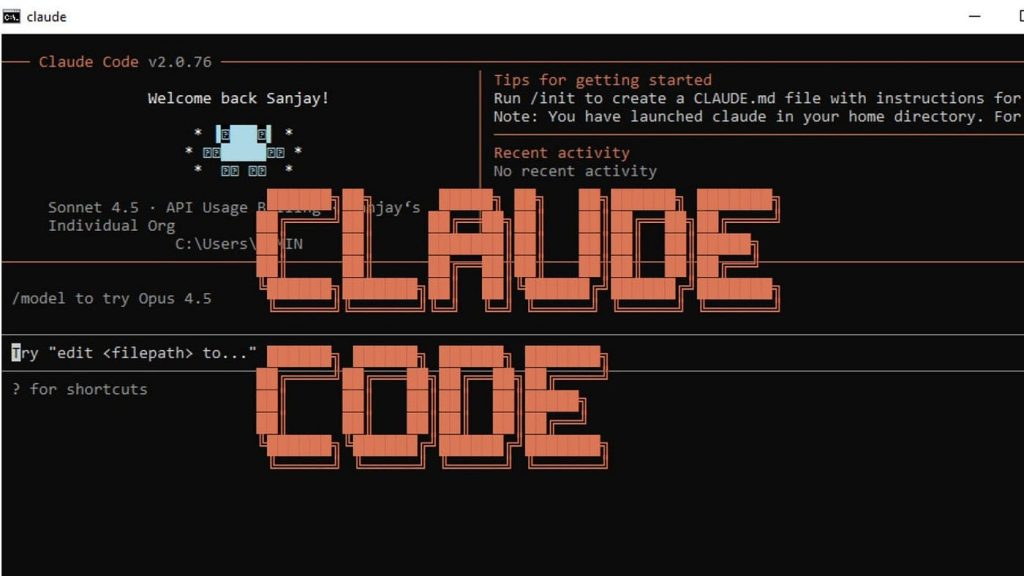
Automation is one of the most valuable features offered by Claude, particularly in large-scale software environments. Many development workflows include repetitive operations such as data transformation, report generation, or scheduled processing. By using Claude, these tasks can be converted into automated scripts that run without manual intervention.
Another major advantage of Claude lies in its ability to integrate with workflow automation tools. Developers can create scripts that connect databases, trigger API calls, or monitor system logs automatically. This capability allows Claude to function as an intelligent bridge between separate systems.
Additionally, Claude helps organizations reduce human error in repetitive processes. Manual scripting often introduces small mistakes that can cause system failures. By generating consistent logic, Claude improves reliability and ensures that automated workflows run smoothly over extended periods.
Using Claude for Debugging and Error Detection
Debugging is often considered one of the most challenging aspects of software development. Identifying the source of an error requires analyzing logs, reviewing code structure, and testing multiple scenarios. By leveraging Claude, developers can analyze problematic code segments and receive detailed explanations of potential issues.
One of the strengths of Claude in debugging lies in its ability to interpret error messages. Instead of simply displaying warnings, Claude explains why an issue occurred and suggests possible solutions. This makes debugging faster and more accessible, particularly for less experienced developers.
Another valuable feature of Claude is its ability to refactor existing code. Developers can submit inefficient functions and request optimized alternatives. This process improves performance and ensures that code remains scalable as applications grow in complexity.
Integrating Claude into DevOps and CI/CD Pipelines
Modern development teams rely heavily on DevOps practices and continuous integration workflows. In these environments, Claude can assist in generating configuration files, writing deployment scripts, and validating system settings. By automating these tasks, Claude reduces the time required to move code from development to production.
Another important advantage of Claude in DevOps workflows is its ability to assist with infrastructure configuration. Whether setting up container environments or cloud-based deployments, developers can use Claude to generate scripts that simplify environment management.
Additionally, Claude supports automation in testing pipelines. Teams can generate test cases and validation scripts that ensure new features function correctly before deployment. This reduces downtime and enhances overall system reliability.

Enhancing Collaboration Through Claude
Software development is rarely a solo effort. Teams often consist of developers, designers, testers, and project managers working together toward shared goals. In collaborative environments, Claude serves as a communication bridge that translates technical ideas into executable solutions.
Another benefit of using Claude in team settings is improved documentation quality. Developers can generate structured documentation directly from code snippets. This ensures that project knowledge remains accessible to all team members.
Furthermore, Claude can assist onboarding new developers. Instead of spending hours reading outdated manuals, newcomers can interact with Claude to understand project architecture and workflow patterns. This accelerates the learning process and improves team productivity.
Security Considerations When Using Claude
While Claude offers significant productivity benefits, security remains a crucial factor when integrating AI into development workflows. Developers must ensure that sensitive information such as API keys or credentials is handled securely. By implementing best practices, organizations can use Claude safely without exposing confidential data.
Another important aspect of security involves validating generated code before deployment. Although Claude produces structured outputs, human oversight remains necessary to ensure that scripts follow secure coding standards. This reduces the risk of vulnerabilities entering production environments.
Additionally, Claude can assist with security audits. Developers can use Claude to analyze existing codebases and identify potential weaknesses. This proactive approach helps maintain strong cybersecurity defenses across applications.

Comparing Claude to Traditional Coding Methods
Traditional coding methods often rely on manual development cycles that require significant time investment. By contrast, Claude accelerates development by automating repetitive tasks and generating structured code quickly. This shift represents a fundamental change in how developers approach programming challenges.
Another difference lies in accessibility. Traditional coding requires deep technical knowledge before producing meaningful results. With Claude, even less experienced developers can build functional prototypes by describing their goals in natural language.
However, traditional methods still play an important role. Human developers provide creativity, architectural design, and decision-making that cannot be fully automated. In this context, Claude acts as an assistant rather than a replacement, enhancing human capabilities instead of replacing them.
The Future Potential of Claude in Automation and Development
Looking ahead, the capabilities of Claude are expected to expand significantly. As machine learning models improve, Claude may handle more complex workflows, including full-stack application generation and real-time optimization.
Another promising development is the integration of Claude with low-code and no-code platforms. This could enable non-programmers to automate business processes without writing traditional code. By bridging technical gaps, Claude may transform how organizations approach digital transformation.
Furthermore, advances in AI reasoning may allow Claude to manage entire development lifecycles. From planning architecture to deploying updates, Claude could become a central component of future software ecosystems.
Conclusion: The Role of Claude in Automating the Future of Coding
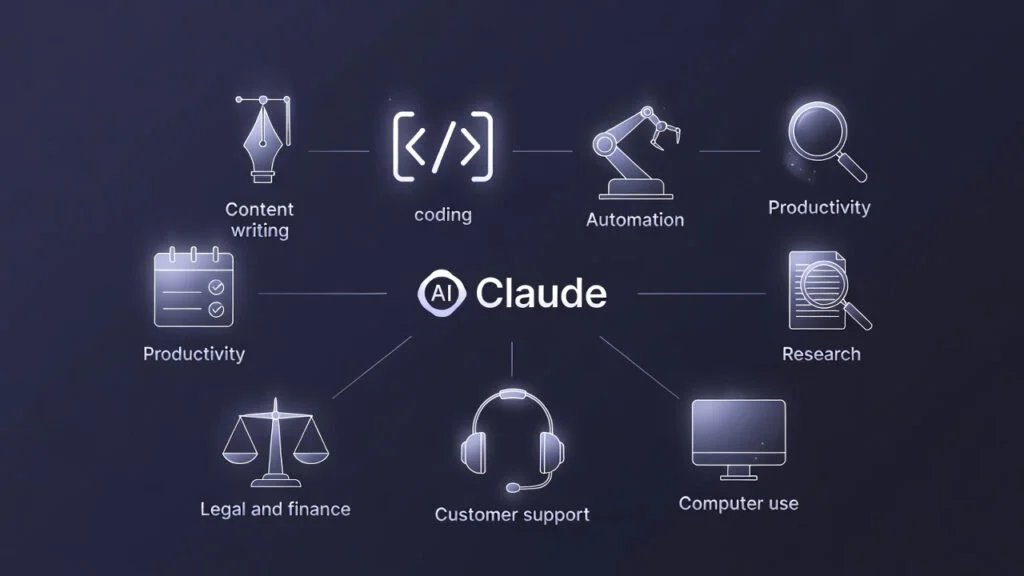
The emergence of Claude marks a significant milestone in the evolution of software development and automation. By enabling developers to generate code quickly, automate repetitive processes, and streamline workflows, Claude enhances productivity across industries.
As development practices continue evolving, tools like Claude will become increasingly valuable. However, human expertise will remain essential for creativity, system design, and strategic decision-making. The most successful workflows will likely combine the efficiency of Claude with the insight of skilled developers.
Ultimately, Claude represents a shift toward smarter, faster, and more automated development environments. Its ability to simplify complex coding tasks and automate routine operations positions it as a key technology in the future of software engineering.
Follow us on Facebook: https://www.facebook.com/share/1CFA8qxACT/