
 Game Reviews
 Mobile Games
 Game Online
 Game Updates
 AI & Artificial Intelligence
 AI News
 AI Comparisons
 AI Tools Reviews
The global push for sustainable transportation has accelerated the development of alternative energy vehicles. While battery electric vehicles have gained widespread attention, another promising solution is emerging in parallel: Hydrogen Fuel Cell Vehicles. These vehicles use hydrogen as a fuel source to generate electricity, producing only water vapor as a byproduct. This clean energy approach positions hydrogen technology as a powerful contender in the transition toward environmentally friendly mobility.
Hydrogen Fuel Cell Vehicles combine advanced chemistry, engineering, and energy management systems to deliver performance comparable to traditional gasoline-powered vehicles while significantly reducing emissions. Their potential to provide long driving ranges and rapid refueling times makes them particularly attractive for long-distance transportation and commercial fleets. In this comprehensive review, we will explore the origins, working principles, benefits, challenges, and future outlook of Hydrogen Fuel Cell Vehicles, following a chronological and logical structure to ensure clarity and depth.
See more: https://prol5review.com/home
1. The Origins of Hydrogen Fuel Cell Vehicles
Early Development of Fuel Cell Technology
The concept behind Hydrogen Fuel Cell Vehicles dates back to the early development of fuel cells in the 19th century. Scientists discovered that hydrogen and oxygen could react chemically to produce electricity without combustion. This discovery laid the foundation for fuel cell systems used in modern vehicles.
Initially, fuel cells were used in specialized applications such as space exploration and scientific research. These early systems demonstrated reliability and efficiency in controlled environments, proving that hydrogen-based energy could be practical.
Transition to Automotive Applications
As environmental concerns grew and fossil fuel dependence increased, engineers began exploring hydrogen fuel cells as an alternative to internal combustion engines. Automotive companies invested heavily in research to adapt fuel cell systems for road vehicles.
This transition marked the birth of Hydrogen Fuel Cell Vehicles, introducing a new method of powering transportation with minimal environmental impact.
2. Understanding the Core Components
Fuel Cell Stack System
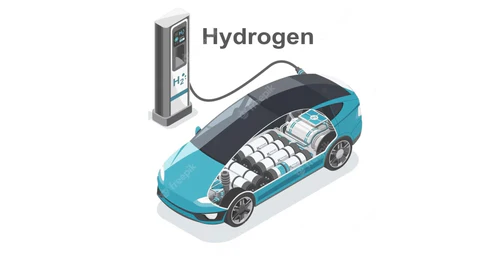
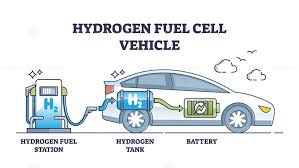
At the heart of Hydrogen Fuel Cell Vehicles lies the fuel cell stack. This component converts hydrogen gas into electricity through an electrochemical reaction with oxygen from the air.
The process generates electricity, heat, and water vapor. The electricity powers the vehicle’s motor, while water vapor is released through the exhaust system.
Hydrogen Storage Tanks
Hydrogen storage is a critical aspect of fuel cell vehicles. High-pressure tanks store hydrogen gas safely and deliver it to the fuel cell system when needed.
These tanks are built using strong composite materials designed to withstand extreme pressure and ensure safety during operation.
3. How Hydrogen Fuel Cell Vehicles Work
Electrochemical Energy Conversion
Unlike traditional engines that burn fuel, Hydrogen Fuel Cell Vehicles use electrochemical reactions to produce electricity. Hydrogen molecules split into protons and electrons within the fuel cell.
Electrons flow through an external circuit, generating electricity, while protons combine with oxygen to form water.
Electric Motor Integration
The electricity produced by the fuel cell powers an electric motor, which drives the vehicle’s wheels. Some systems also include batteries to store excess energy for later use.
This combination of fuel cell and electric motor provides smooth acceleration and efficient performance.
4. Advantages of Hydrogen Fuel Cell Vehicles
Zero Harmful Emissions
One of the most significant benefits of Hydrogen Fuel Cell Vehicles is their minimal environmental impact. The only emission produced during operation is water vapor.
This feature helps reduce air pollution and supports global efforts to combat climate change.
Fast Refueling and Long Driving Range
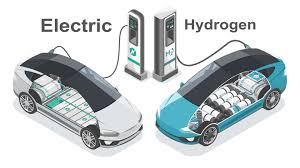
Unlike battery electric vehicles that require extended charging times, hydrogen vehicles can be refueled in minutes. This speed is comparable to refueling gasoline vehicles.
Additionally, Hydrogen Fuel Cell Vehicles often provide longer driving ranges, making them suitable for long-distance travel.
5. Infrastructure and Refueling Systems
Hydrogen Refueling Stations
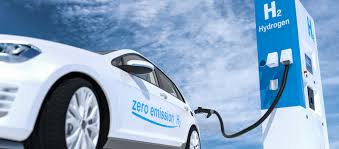
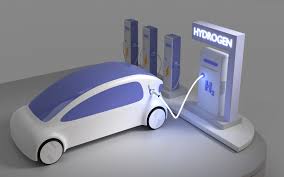
For widespread adoption of Hydrogen Fuel Cell Vehicles, the availability of refueling stations is essential. These stations compress and store hydrogen before dispensing it into vehicle tanks.
The development of hydrogen infrastructure remains a major factor influencing market growth.
Distribution and Storage Challenges
Transporting hydrogen requires specialized pipelines or delivery systems due to its low density and high flammability.
Efficient storage and distribution networks are necessary to ensure consistent supply for fuel cell vehicles.
6. Environmental and Energy Benefits
Reduction in Carbon Emissions
Hydrogen vehicles contribute to reduced greenhouse gas emissions, especially when hydrogen is produced using renewable energy sources.
By replacing fossil fuels with hydrogen, Hydrogen Fuel Cell Vehicles help decrease the carbon footprint of transportation systems.
Renewable Energy Integration
Hydrogen production can utilize renewable energy such as solar or wind power. This integration supports sustainable energy cycles and reduces reliance on fossil fuels.
Renewable hydrogen production enhances the overall environmental benefits of fuel cell technology.
7. Challenges and Limitations
High Production Costs
One of the main challenges associated with Hydrogen Fuel Cell Vehicles is cost. Manufacturing fuel cells and hydrogen storage systems requires advanced materials and complex processes.
These factors contribute to higher vehicle prices compared to traditional alternatives.
Limited Infrastructure Availability
Hydrogen refueling stations are currently limited in many regions. This lack of infrastructure restricts widespread adoption of fuel cell vehicles.
Expanding refueling networks is necessary for the technology to reach its full potential.
8. Safety and Reliability Considerations
Hydrogen Storage Safety Measures
Safety is a top priority in Hydrogen Fuel Cell Vehicles. Modern hydrogen tanks are designed to resist impact and prevent leakage.
Advanced sensors monitor pressure levels and detect potential issues, ensuring safe operation.
System Durability and Maintenance
Fuel cell systems require careful maintenance to maintain efficiency and reliability. Engineers continuously improve materials to extend system lifespan.
Regular inspections ensure consistent performance and safety.
9. Future Developments in Hydrogen Vehicle Technology
Improved Fuel Cell Efficiency
Ongoing research focuses on increasing the efficiency of fuel cell systems. New materials and designs aim to enhance energy conversion rates.
These improvements will make Hydrogen Fuel Cell Vehicles more competitive with other energy technologies.
Expansion of Hydrogen Ecosystems
Governments and industries are investing in hydrogen infrastructure and production facilities. This expansion will support widespread adoption of hydrogen-powered transportation.
Collaborative efforts are expected to accelerate market growth.
10. Long-Term Impact on Global Transportation
Supporting Sustainable Mobility
The adoption of Hydrogen Fuel Cell Vehicles plays a significant role in reducing reliance on fossil fuels. Cleaner transportation systems contribute to improved air quality and environmental sustainability.
Hydrogen technology supports global climate goals and promotes responsible energy usage.
Transforming Commercial and Public Transport
Fuel cell vehicles are particularly beneficial for buses, trucks, and long-haul transport. Their fast refueling and long range make them suitable for heavy-duty applications.
As technology advances, hydrogen-powered transportation is expected to become more common in urban and industrial environments.
Conclusion
Hydrogen Fuel Cell Vehicles represent a promising step toward cleaner and more sustainable transportation. By using hydrogen as a fuel source, these vehicles produce electricity efficiently while emitting only water vapor. Their long driving range and rapid refueling capabilities make them suitable for both personal and commercial use.
Although challenges such as infrastructure limitations and high costs remain, ongoing research and investment continue to improve the feasibility of hydrogen-powered transportation. As renewable energy production expands and hydrogen ecosystems grow, Hydrogen Fuel Cell Vehicles are likely to play an increasingly important role in the future of mobility.
Ultimately, hydrogen fuel cell technology demonstrates how innovation can transform transportation into a more environmentally responsible system, paving the way for a cleaner and more efficient world.
Follow us on Facebook: https://www.facebook.com/share/1CFA8qxACT/