
 Game Reviews
 Mobile Games
 Game Online
 Game Updates
 AI & Artificial Intelligence
 AI News
 AI Comparisons
 AI Tools Reviews
The advancement of robotics has transformed industries, reshaped workplaces, and redefined how humans interact with machines. Among the most fascinating developments in this field is Humanoid Robot Technology, a branch of robotics focused on creating machines that resemble and function like humans. These robots are designed not only to perform mechanical tasks but also to communicate, learn, and adapt in ways that mimic human behavior.
As artificial intelligence, sensor systems, and mechanical engineering continue to evolve, Humanoid Robot Technology has moved from science fiction into real-world applications. From healthcare assistants to industrial collaborators and customer service robots, humanoid machines are steadily becoming part of everyday life. This in-depth review explores the origins, components, capabilities, applications, challenges, and future outlook of humanoid robotics, presenting a comprehensive understanding of this revolutionary technology.
The advancement of robotics has transformed industries, reshaped workplaces, and redefined how humans interact with machines. Among the most fascinating developments in this field is Humanoid Robot Technology, a branch of robotics focused on creating machines that resemble and function like humans. These robots are designed not only to perform mechanical tasks but also to communicate, learn, and adapt in ways that mimic human behavior.
As artificial intelligence, sensor systems, and mechanical engineering continue to evolve, Humanoid Robot Technology has moved from science fiction into real-world applications. From healthcare assistants to industrial collaborators and customer service robots, humanoid machines are steadily becoming part of everyday life. This in-depth review explores the origins, components, capabilities, applications, challenges, and future outlook of humanoid robotics, presenting a comprehensive understanding of this revolutionary technology.
See more: https://prol5review.com/home
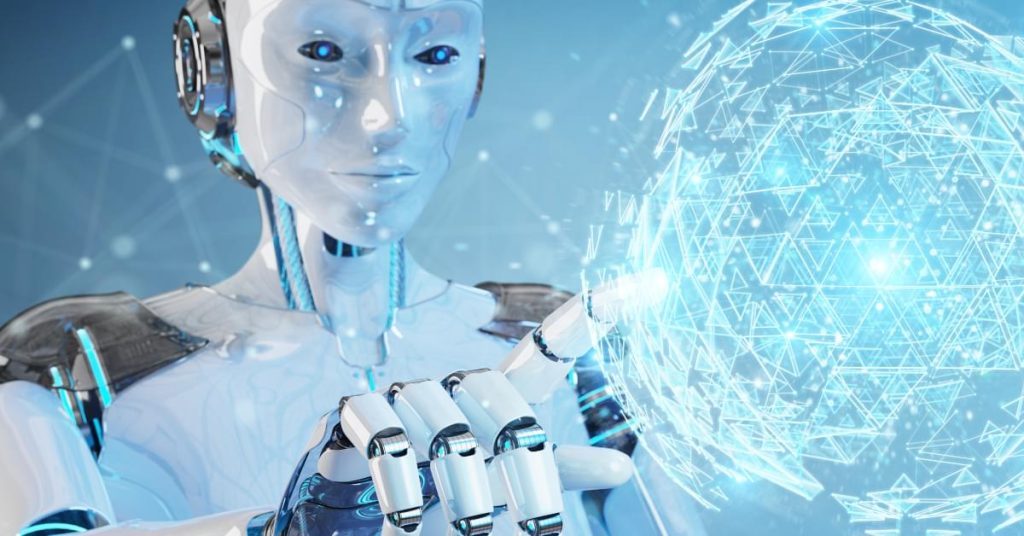
1. The Origins of Humanoid Robot Technology
Early Concepts Inspired by Human Anatomy
The idea of building machines that resemble humans dates back centuries. Ancient inventors and engineers experimented with mechanical figures powered by gears and springs. Although primitive by modern standards, these early devices reflected humanity’s fascination with replicating human movement.
In the modern era, scientific interest in Humanoid Robot Technology grew significantly during the 20th century. Engineers began studying human anatomy and biomechanics to understand how joints, muscles, and balance systems work. This knowledge became the foundation for designing robotic structures capable of performing lifelike movements.
From Mechanical Models to Intelligent Systems
Early humanoid robots were primarily mechanical and limited in functionality. They could perform simple movements such as walking or waving but lacked awareness and decision-making abilities.
The introduction of microprocessors and digital control systems transformed humanoid robotics into an intelligent field. Robots became capable of processing information, recognizing patterns, and interacting with their environment in more meaningful ways.
2. Understanding the Core Structure of Humanoid Robots
Mechanical Framework and Joint Design
At the heart of Humanoid Robot Technology lies a mechanical framework designed to replicate the structure of the human body. This includes arms, legs, torso, and head components connected through articulated joints.
Each joint functions similarly to human joints, enabling bending, rotation, and extension. Engineers carefully design these components to maintain stability and flexibility, ensuring that robots can perform complex movements without losing balance.
Actuators and Motion Control Systems
Actuators serve as the “muscles” of humanoid robots. These devices convert electrical signals into mechanical movement, allowing the robot to lift objects, walk, or manipulate tools.
Advanced motion control systems coordinate multiple actuators simultaneously. This synchronization allows robots to perform smooth and natural movements, closely resembling human actions.
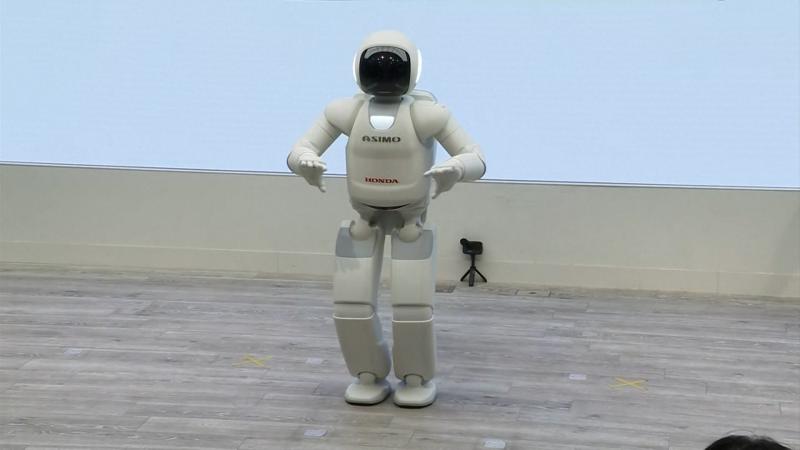
3. Sensor Systems That Enable Environmental Awareness
Vision Systems and Cameras
For humanoid robots to interact effectively with their surroundings, they require sophisticated vision systems. Cameras act as the robot’s eyes, capturing visual information about objects, people, and movement.
Modern Humanoid Robot Technology often includes depth-sensing cameras that allow robots to measure distances and identify obstacles. This capability is essential for safe navigation in dynamic environments.
Touch and Proximity Sensors
In addition to vision, robots use touch sensors to detect physical contact. These sensors allow robots to handle objects carefully without causing damage.
Proximity sensors enhance safety by detecting nearby obstacles. Together, these systems create a comprehensive sensory network that enables robots to operate safely and efficiently.
4. Artificial Intelligence as the Brain of Humanoid Robots
Machine Learning and Decision-Making
Artificial intelligence serves as the central processing system of humanoid robots. Machine learning algorithms enable robots to recognize patterns, interpret data, and make informed decisions.
Through continuous learning, Humanoid Robot Technology improves over time. Robots can analyze previous experiences to enhance performance and adapt to new situations.
Natural Language Processing and Communication
Communication is a crucial feature of humanoid robots. Natural language processing allows robots to understand spoken commands and respond appropriately.
This capability enables robots to interact with humans in conversational ways, making them suitable for roles such as customer service, education, and healthcare assistance.
5. Mobility and Balance Systems
Walking and Movement Mechanisms
Achieving stable movement is one of the most challenging aspects of humanoid robotics. Engineers use advanced algorithms to maintain balance while walking, running, or climbing.
The design of Humanoid Robot Technology includes gyroscopes and accelerometers that detect body orientation and adjust movement accordingly.
Maintaining Stability in Complex Environments
Real-world environments are unpredictable, requiring robots to adapt quickly to changes. Uneven surfaces, obstacles, and sudden movements can disrupt balance.
Advanced stabilization systems allow humanoid robots to maintain equilibrium even under challenging conditions. This capability is essential for practical applications in diverse settings.
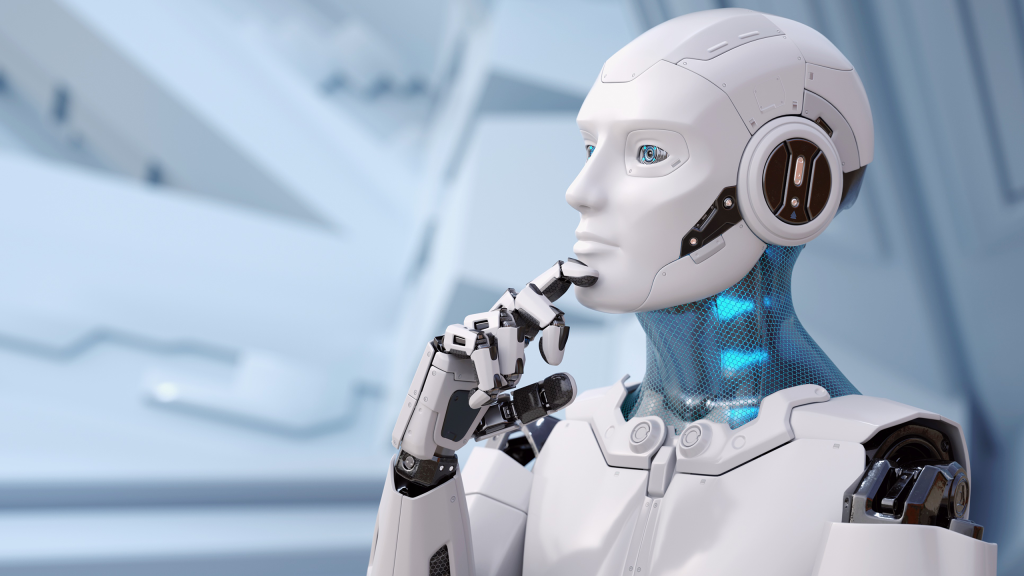
6. Real-World Applications of Humanoid Robots
Healthcare and Medical Assistance
One of the most promising applications of Humanoid Robot Technology is in healthcare. Robots can assist medical professionals by delivering supplies, monitoring patients, and supporting rehabilitation exercises.
In elderly care, humanoid robots provide companionship and assistance with daily tasks. This helps improve quality of life for individuals who require ongoing support.
Industrial and Service Industry Roles
Humanoid robots are also gaining popularity in industrial environments. They can perform repetitive tasks with high precision, reducing human workload and improving productivity.
In customer service settings, robots welcome visitors, provide information, and assist customers. These roles demonstrate the versatility of humanoid robotics across multiple industries.
7. Advantages of Humanoid Robot Technology
Enhanced Efficiency and Productivity
Humanoid robots operate with consistent accuracy and reliability. Unlike humans, they do not experience fatigue or require rest, allowing them to perform tasks continuously.
This efficiency makes Humanoid Robot Technology particularly valuable in industries where repetitive tasks are common.
Improved Safety in Hazardous Environments
Humanoid robots can be deployed in environments that pose risks to human workers. These include disaster zones, mining operations, and chemical facilities.
By handling dangerous tasks, robots reduce the likelihood of workplace injuries and enhance overall safety.
8. Challenges and Technical Limitations
High Development and Production Costs
One of the primary challenges facing Humanoid Robot Technology is cost. Designing and manufacturing humanoid robots requires advanced materials and specialized components.
These costs can limit accessibility and slow widespread adoption. However, technological advancements are gradually reducing production expenses.
Energy Consumption and Power Management
Humanoid robots require significant energy to operate complex systems and maintain movement. Efficient power management remains a key area of research.
Developing lightweight batteries and energy-efficient components will be essential for improving performance and mobility.
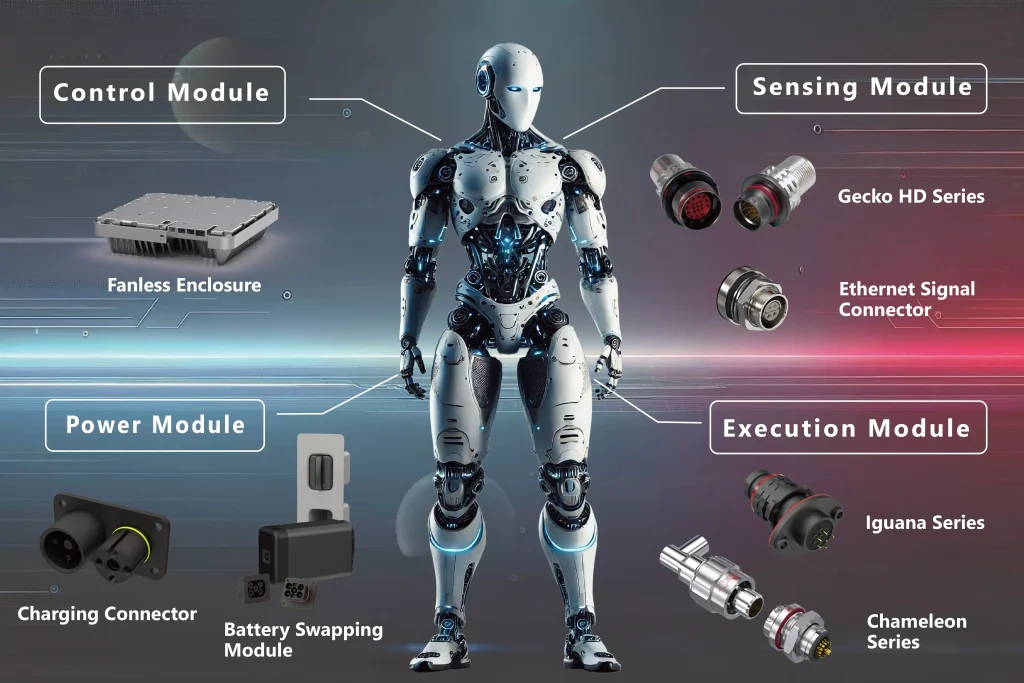
9. Ethical and Social Considerations
Impact on Employment and Workforce Dynamics
The rise of humanoid robots raises important questions about employment. Automation may reduce demand for certain types of manual labor.
However, Humanoid Robot Technology also creates new opportunities in engineering, programming, and maintenance fields. Balancing automation with workforce development is a critical challenge.
Human-Robot Interaction and Trust
Building trust between humans and robots is essential for successful adoption. Designers focus on creating robots with friendly appearances and predictable behavior.
Ethical considerations also include privacy, data security, and responsible use of robotic systems.
10. The Future of Humanoid Robot Technology
Advancements in Intelligence and Autonomy
Future humanoid robots are expected to become more intelligent and autonomous. Improvements in artificial intelligence will allow robots to perform complex tasks with minimal supervision.
As Humanoid Robot Technology evolves, robots will gain greater independence and flexibility in performing real-world tasks.
Integration into Everyday Life
The long-term vision for humanoid robotics includes widespread integration into homes, workplaces, and public spaces.
From assisting with household chores to supporting professional tasks, humanoid robots have the potential to become essential companions in modern society.
Conclusion
Humanoid Robot Technology represents one of the most ambitious achievements in modern engineering and artificial intelligence. By combining mechanical design, sensor technology, and intelligent software, humanoid robots are transforming industries and redefining human-machine interaction.
From healthcare and manufacturing to customer service and disaster response, the applications of humanoid robots continue to expand. While challenges such as cost, energy efficiency, and ethical concerns remain, ongoing research and innovation are steadily addressing these limitations.
As technology advances, humanoid robots are likely to become more accessible, intelligent, and integrated into daily life. The future of robotics is not merely about automation – it is about collaboration between humans and intelligent machines, shaping a world where technology enhances productivity, safety, and quality of life.
Follow us on Facebook: https://www.facebook.com/share/1CFA8qxACT/