
 Game Reviews
 Mobile Games
 Game Online
 Game Updates
 AI & Artificial Intelligence
 AI News
 AI Comparisons
 AI Tools Reviews
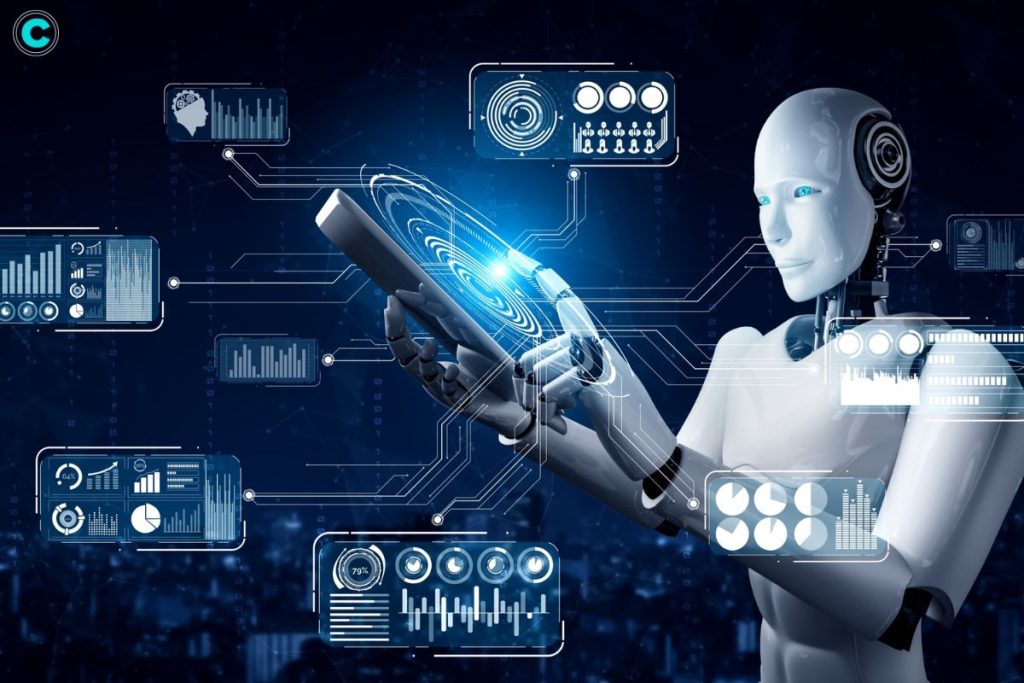
Artificial intelligence has rapidly evolved from theoretical concepts into practical applications that influence modern living. One of the most fascinating developments within this field is AI Service Robots, machines designed to assist humans by performing useful tasks across industries such as healthcare, hospitality, retail, and home services. These robots combine sensors, machine learning, and automation technologies to interact with environments and respond intelligently to human needs.
The emergence of AI Service Robots represents a major shift in how societies approach labor, efficiency, and convenience. Unlike traditional robots that perform repetitive industrial tasks, service robots are built to work directly with people, adapting to dynamic environments and providing personalized assistance. This review explores the origins, development, applications, advantages, challenges, and future outlook of AI Service Robots, presenting a detailed and logical journey through this transformative technology.
See more: https://prol5review.com/home
1. The Origins of AI Service Robots
Early Robotics and Automation Foundations
The roots of AI Service Robots can be traced back to early developments in robotics during the mid-20th century. Initially, robots were created to automate repetitive tasks in factories. These machines operated based on predefined instructions and lacked the ability to adapt to unexpected changes in their surroundings.
As computing power increased, researchers began integrating artificial intelligence into robotic systems. This combination allowed robots to analyze data, learn from experiences, and improve their performance over time. These early experiments laid the groundwork for service robots capable of interacting with humans and environments.
Transition from Industrial to Service Applications
The shift from industrial robotics to service-focused robotics marked a major turning point. Engineers realized that robots could be used outside manufacturing environments to support daily human activities. This led to the development of robots designed for customer assistance, healthcare support, and household tasks.
With advances in machine learning and sensor technology, service robots became more responsive and capable. These innovations enabled the creation of robots that could navigate spaces, recognize objects, and communicate effectively with users.
2. Understanding the Core Components of AI Service Robots
Artificial Intelligence and Machine Learning Systems
At the core of AI Service Robots lies artificial intelligence, which enables machines to interpret information and make decisions. Machine learning algorithms allow robots to recognize patterns, understand speech, and predict user needs based on previous interactions.
These intelligent systems continuously improve performance by analyzing data collected during operation. Over time, robots become more efficient and capable of handling complex tasks, enhancing their usefulness in various environments.
Sensors and Perception Technologies
Sensors play a critical role in enabling robots to perceive their surroundings. Common sensors include cameras, ultrasonic detectors, infrared sensors, and LiDAR systems. These components allow robots to detect obstacles, measure distances, and recognize objects.
By combining data from multiple sensors, AI Service Robots create detailed maps of their environments. This process enables accurate navigation and ensures safe interaction with humans and objects.
3. Navigation and Mobility Systems
Autonomous Movement Capabilities
Mobility is a defining feature of service robots. Unlike stationary machines, AI Service Robots are designed to move freely within homes, hospitals, or public spaces. Autonomous navigation systems enable robots to travel efficiently without constant human supervision.
These systems use mapping technologies to determine the best paths and avoid obstacles. Continuous updates ensure that robots adapt to changing surroundings, such as moving people or rearranged furniture.
Obstacle Detection and Safety Measures
Safety is a major concern when robots operate near humans. To address this, developers incorporate advanced obstacle detection systems that allow robots to slow down or stop when necessary.
Protective algorithms also ensure that robots maintain safe distances from people and fragile objects. These measures help prevent accidents and increase user confidence in robotic technology.
4. Communication and Human Interaction
Natural Language Processing
One of the most impressive aspects of AI Service Robots is their ability to communicate with humans. Natural language processing (NLP) allows robots to understand spoken commands and respond with appropriate actions.
This capability makes robots more accessible to users who may not have technical expertise. Simple voice commands enable tasks such as scheduling reminders, providing directions, or delivering information.
Facial Recognition and Emotional Interaction
Modern service robots are equipped with facial recognition systems that help identify users. This feature allows robots to personalize interactions based on individual preferences.
Some robots are also designed to detect emotional cues through facial expressions or voice tones. By responding empathetically, these robots enhance user satisfaction and improve the quality of human-robot interaction.
5. Applications of AI Service Robots Across Industries
Healthcare and Medical Assistance
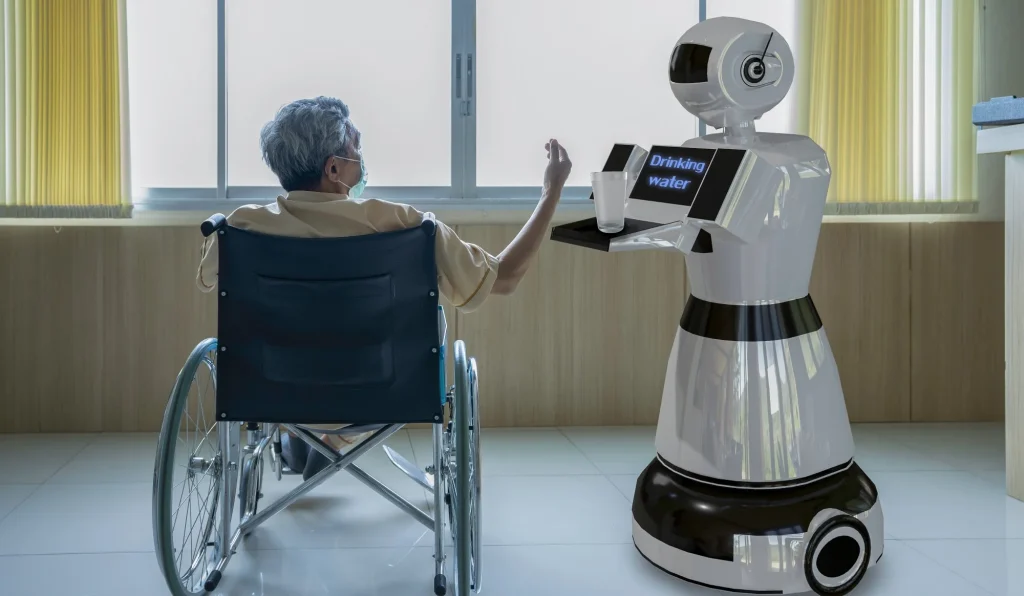
Healthcare is one of the most important fields benefiting from AI Service Robots. Robots assist medical staff by delivering supplies, transporting samples, and monitoring patients.
In some cases, robots provide companionship to elderly individuals, helping reduce feelings of isolation. These applications improve efficiency while allowing healthcare professionals to focus on critical tasks.
Hospitality, Retail, and Customer Service
Service robots are increasingly used in hotels, restaurants, and retail stores. They greet customers, provide directions, and assist with product selection.
By automating routine customer service tasks, businesses can improve efficiency and maintain consistent service quality. This integration also enhances the overall customer experience.
6. Advantages of AI Service Robots
Improved Efficiency and Productivity
One of the major advantages of AI Service Robots is their ability to perform tasks consistently without fatigue. Robots can operate continuously, reducing delays and improving workflow efficiency.
This capability is particularly valuable in environments where precision and reliability are essential, such as hospitals or warehouses.
Enhanced Safety and Risk Reduction
Service robots can perform tasks that may be dangerous for humans. For example, robots can handle hazardous materials or operate in contaminated environments.
By reducing human exposure to risks, AI Service Robots contribute to safer working conditions and improved overall safety standards.
7. Challenges and Limitations
Technical Complexity and High Costs
Developing advanced AI Service Robots requires significant investment in research and development. High costs associated with hardware components and software systems can limit accessibility.
Although costs are gradually decreasing, affordability remains a key challenge for widespread adoption.
Ethical and Privacy Concerns
The use of robots equipped with cameras and sensors raises concerns about privacy and data security. Users may worry about how collected information is stored and used.
Addressing these concerns requires transparent policies and robust cybersecurity measures to protect sensitive data.
8. Integration with Smart Environments
Smart Homes and Connected Devices
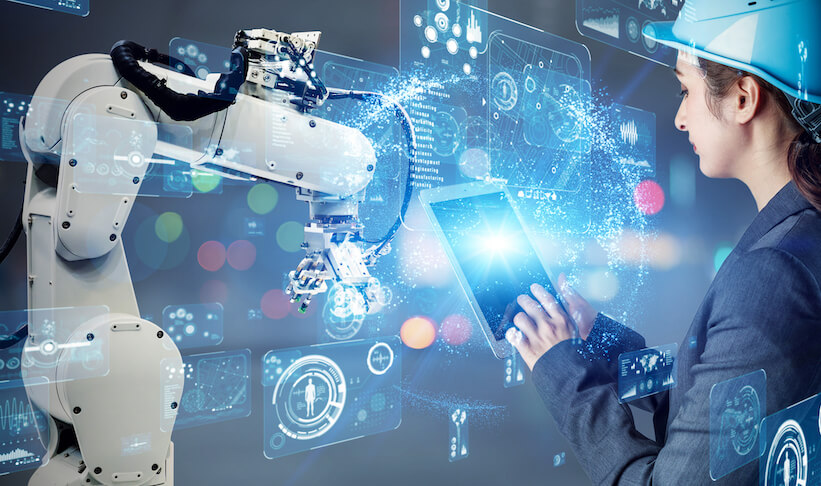
AI Service Robots are becoming an integral part of smart home ecosystems. These robots can connect with devices such as lighting systems, thermostats, and security cameras.
Through centralized control systems, robots manage household tasks efficiently and respond to user preferences automatically.
Internet of Things (IoT) Connectivity
The integration of service robots with IoT networks enhances their capabilities. Connected devices share information, enabling robots to perform coordinated actions.
For example, a robot may receive updates from sensors placed around a building, improving navigation accuracy and task efficiency.
9. Future Trends in AI Service Robot Development
Advancements in Artificial Intelligence
Future improvements in artificial intelligence will make AI Service Robots even more intelligent and autonomous. Enhanced machine learning models will enable better decision-making and faster response times.
As AI algorithms become more sophisticated, robots will handle increasingly complex tasks with minimal human intervention.
Miniaturization and Improved Design
Design innovations are expected to produce smaller, lighter, and more energy-efficient robots. These improvements will make service robots more practical for everyday use.
Better battery technology and compact hardware will also extend operational time, reducing the need for frequent charging.
10. The Long-Term Impact of AI Service Robots
Transforming Workforce Dynamics
The widespread adoption of AI Service Robots is likely to reshape workforce structures. Some routine jobs may be replaced by automated systems, while new roles related to robot maintenance and programming will emerge.
This transformation highlights the importance of adapting educational systems to prepare workers for technology-driven environments.
Enhancing Quality of Life
Beyond economic changes, service robots have the potential to improve daily living standards. From assisting elderly individuals to simplifying household chores, these robots offer practical solutions to modern challenges.
By enhancing convenience and accessibility, AI Service Robots are set to play a vital role in shaping future lifestyles.
Conclusion
AI Service Robots represent a remarkable intersection of artificial intelligence, robotics, and automation technologies. Their ability to interact with humans, navigate environments, and perform meaningful tasks has transformed industries and daily life. From healthcare assistance to customer service applications, these robots demonstrate how intelligent automation can enhance efficiency and convenience.
Although challenges such as cost, privacy concerns, and technical complexity remain, ongoing innovation continues to address these limitations. As technology advances, AI Service Robots will become more accessible, reliable, and capable of handling complex responsibilities.
The future of robotics lies in collaboration between humans and machines. By integrating intelligence, adaptability, and connectivity, AI Service Robots are redefining how people live, work, and interact with technology in the modern world.
Follow us on Facebook: https://www.facebook.com/share/1CFA8qxACT/