
 Game Reviews
 Mobile Games
 Game Online
 Game Updates
 AI & Artificial Intelligence
 AI News
 AI Comparisons
 AI Tools Reviews
The evolution of smartphone cameras has transformed the way people capture memories, create content, and communicate visually. In recent years, one of the most significant breakthroughs has been the integration of artificial intelligence into mobile photography systems. AI Camera Smartphones have redefined the photography experience by using machine learning algorithms to enhance images, optimize camera settings, and deliver professional-level results with minimal effort.
Unlike traditional cameras that rely solely on hardware capabilities, AI Camera Smartphones combine powerful image sensors with intelligent software that continuously analyzes scenes in real time. This fusion of hardware and artificial intelligence allows users to capture high-quality photos in challenging lighting conditions, recognize objects automatically, and even predict the best shooting moments. In this comprehensive review, we will explore the development, features, advantages, challenges, and future potential of AI Camera Smartphones, following a chronological and logical structure to provide a clear understanding of this transformative technology.
See more: https://prol5review.com/home
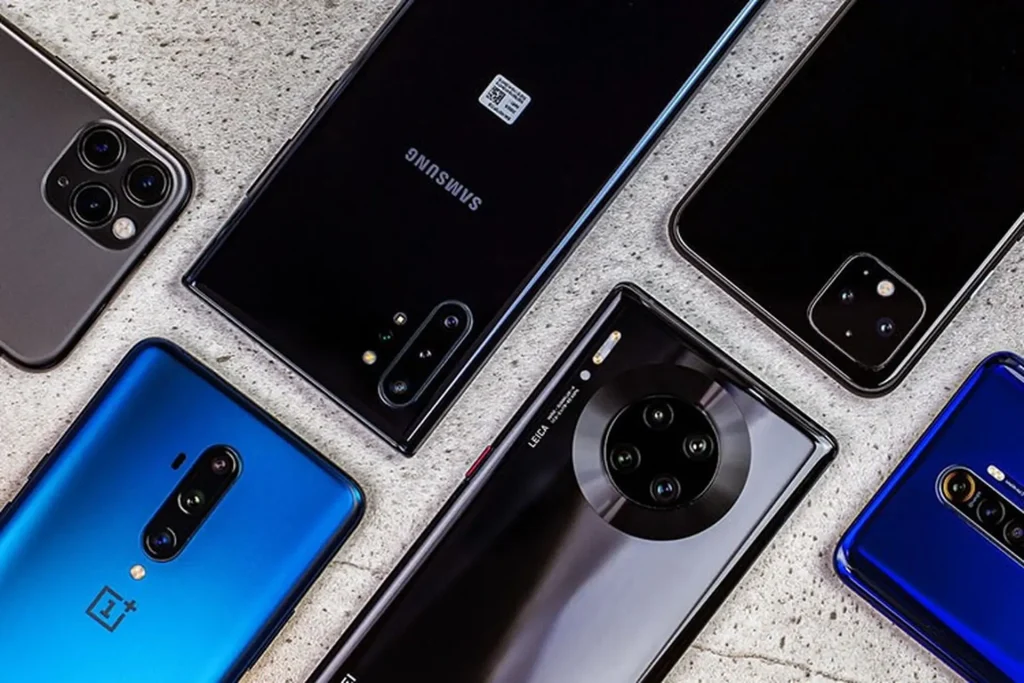
1. The Origins of AI Camera Smartphones
The Evolution from Basic Mobile Cameras
The journey toward AI Camera Smartphones began with simple mobile cameras designed primarily for convenience rather than quality. Early smartphone cameras had limited resolution, minimal image processing capabilities, and fixed settings that offered little flexibility.
As consumer demand for better photography increased, manufacturers began integrating larger sensors and advanced optics into smartphones. These improvements enhanced image clarity and color accuracy, but they still relied heavily on user adjustments to achieve optimal results.
Introduction of Intelligent Image Processing
The turning point occurred when artificial intelligence algorithms were introduced into camera systems. Instead of requiring manual adjustments, AI-based software could analyze scenes and automatically select the most suitable camera settings.
This shift marked the birth of AI Camera Smartphones, where technology not only captured images but also interpreted visual information to improve photo quality in real time.
2. Core Technologies Behind AI Camera Smartphones
Artificial Intelligence and Machine Learning Models
At the heart of AI Camera Smartphones lies artificial intelligence powered by machine learning models. These algorithms analyze patterns in images and learn from millions of photo samples to improve performance over time.
Machine learning enables smartphones to recognize objects, detect lighting conditions, and apply appropriate enhancements automatically. This intelligence allows users to capture professional-looking photos without extensive technical knowledge.
Neural Processing Units (NPUs)
To handle complex AI calculations efficiently, many smartphones include specialized hardware known as Neural Processing Units (NPUs). These components accelerate image recognition and processing tasks.
NPUs allow AI Camera Smartphones to perform real-time adjustments such as noise reduction, dynamic range optimization, and color balancing without slowing down overall device performance.
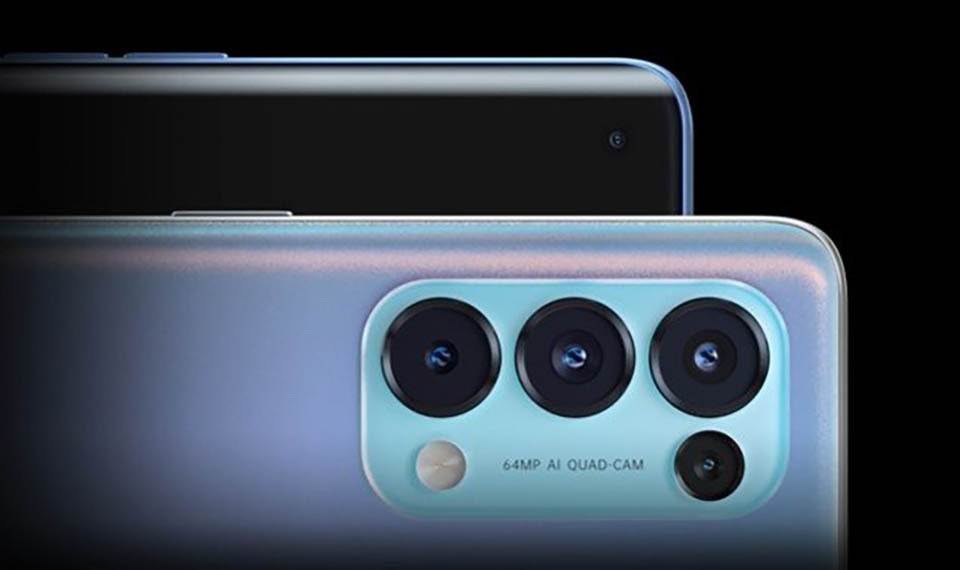
3. Scene Recognition and Smart Photography Modes
Automatic Scene Detection
One of the defining features of AI Camera Smartphones is automatic scene recognition. The camera identifies elements such as landscapes, food, pets, or nighttime environments and adjusts settings accordingly.
For example, when capturing a sunset, the camera enhances warm tones and adjusts exposure to highlight natural colors. This capability ensures consistent image quality across different environments.
Adaptive Photography Modes
AI-powered cameras offer specialized modes that adapt to specific shooting scenarios. Portrait mode, macro mode, and night mode are examples of features enhanced by intelligent algorithms.
These modes enable users to capture detailed images without manually adjusting camera parameters, making photography more accessible and enjoyable.
4. Image Enhancement Through AI Processing
Real-Time Image Optimization
AI Camera Smartphones continuously analyze images during capture to optimize brightness, contrast, and sharpness. Real-time adjustments ensure that photos look balanced and visually appealing.
Advanced algorithms also reduce motion blur and correct exposure levels automatically, allowing users to capture clear images even in fast-moving situations.
Noise Reduction and Detail Preservation
Low-light photography often results in grainy images. AI-based noise reduction techniques address this challenge by smoothing unwanted noise while preserving important details.
This capability significantly improves photo quality in dim environments, making nighttime photography more reliable.

5. Portrait Photography and Depth Mapping
Background Blur Simulation
Portrait photography has been revolutionized by AI Camera Smartphones through the use of depth mapping technology. By measuring distances between objects, the camera creates a blurred background effect known as bokeh.
This feature highlights the subject while softening the background, mimicking the effect achieved by professional cameras.
Facial Recognition and Beautification
AI-powered facial recognition systems identify facial features and adjust lighting to enhance skin tones naturally. Some smartphones also offer subtle beautification options that smooth textures and reduce imperfections.
These enhancements help produce visually pleasing portraits while maintaining realistic details.
6. Video Recording Enhancements
AI Stabilization Technology
Video recording quality has improved significantly due to AI stabilization features. AI Camera Smartphones analyze motion patterns and adjust frames to reduce shaking.
This technology ensures smoother video output, especially during movement or handheld recording.
Real-Time Video Editing Features
Artificial intelligence also enables real-time video enhancements such as color correction and exposure adjustments. These features improve video quality without requiring post-production editing.
As a result, users can produce professional-looking videos directly from their smartphones.
7. Integration with Cloud and Smart Systems
Cloud-Based Image Processing
Some AI Camera Smartphones integrate cloud-based processing systems to enhance image quality further. Photos are uploaded to secure servers where advanced algorithms analyze and optimize visual details.
This integration allows for complex image processing that may exceed the device’s internal capabilities.
Smart Gallery Organization
AI-driven gallery systems automatically categorize photos based on content. Images are sorted into folders such as landscapes, events, or portraits.
This organization simplifies photo management and makes it easier for users to locate specific images.
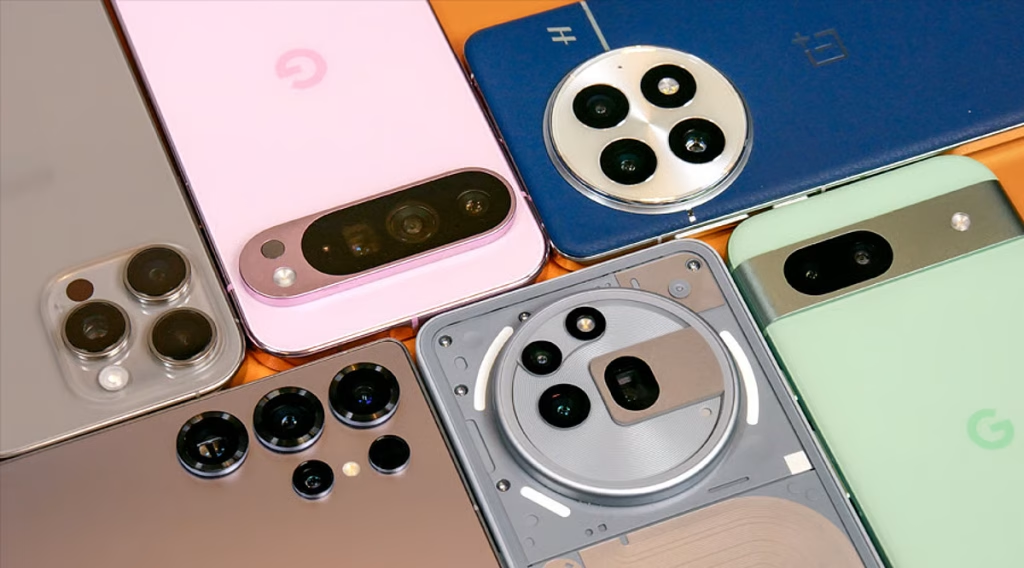
8. Advantages of AI Camera Smartphones
User-Friendly Photography Experience
One of the primary benefits of AI Camera Smartphones is ease of use. Automated settings eliminate the need for technical expertise, enabling users to capture high-quality photos effortlessly.
This accessibility encourages creativity and allows more people to explore photography as a hobby.
Consistent Image Quality
AI-driven enhancements ensure that photos maintain consistent quality across different lighting conditions. Users can rely on their smartphones to produce visually appealing images without extensive adjustments.
This reliability makes AI camera technology highly practical for everyday use.
9. Challenges and Limitations
Privacy and Data Security Concerns
The use of facial recognition and cloud processing raises concerns about data privacy. Users may worry about how personal images are stored and analyzed.
Manufacturers must implement strong security measures to protect user information and maintain trust.
Over-Processing and Artificial Effects
While AI enhancements improve image quality, excessive processing can sometimes produce unnatural results. Over-saturated colors or overly smooth textures may reduce realism.
Balancing enhancement and authenticity remains an ongoing challenge for developers.
10. The Future of AI Camera Smartphones
Advancements in Computational Photography
Future AI Camera Smartphones are expected to integrate advanced computational photography techniques. These innovations will allow cameras to capture multiple exposures simultaneously and combine them into a single optimized image.
Such developments will significantly enhance dynamic range and image clarity.
Integration with Augmented Reality
Artificial intelligence will also play a major role in augmented reality (AR) photography. Cameras will overlay digital elements onto real-world scenes with improved accuracy.
This capability will open new opportunities for entertainment, education, and creative content creation.

Conclusion
AI Camera Smartphones represent one of the most transformative innovations in modern mobile technology. By combining advanced sensors with artificial intelligence algorithms, these devices have revolutionized photography, making professional-quality images accessible to everyday users. From scene recognition to real-time enhancements, AI-driven features simplify complex photography processes while delivering exceptional results.
Despite challenges such as privacy concerns and potential over-processing effects, ongoing advancements continue to refine this technology. As machine learning models become more sophisticated and hardware capabilities improve, AI Camera Smartphones will offer even greater functionality and creativity.
Ultimately, the integration of artificial intelligence into mobile photography demonstrates how technology can enhance human creativity. By simplifying technical processes and expanding creative possibilities, AI Camera Smartphones are shaping the future of visual storytelling and redefining the way people capture the world around them.
Follow us on Facebook: https://www.facebook.com/share/1CFA8qxACT/