
 Game Reviews
 Mobile Games
 Game Online
 Game Updates
 AI & Artificial Intelligence
 AI News
 AI Comparisons
 AI Tools Reviews
The rapid evolution of automotive technology has transformed modern vehicles into sophisticated machines capable of making intelligent decisions. Among the industry leaders pioneering this transformation, Mercedes-Benz stands at the forefront with its advanced autonomous driving technologies. The Mercedes-Benz Autonomous Driving System represents a remarkable fusion of artificial intelligence, precision engineering, and safety innovation.
In today’s fast-moving world, the demand for safer, smarter, and more efficient vehicles continues to grow. The Mercedes-Benz Autonomous Driving System is not simply a luxury feature – it represents a technological shift that is redefining how humans interact with vehicles. This review explores the development, structure, functionality, advantages, limitations, and future prospects of this advanced driving technology in a chronological and logical format.
See more: https://prol5review.com/home
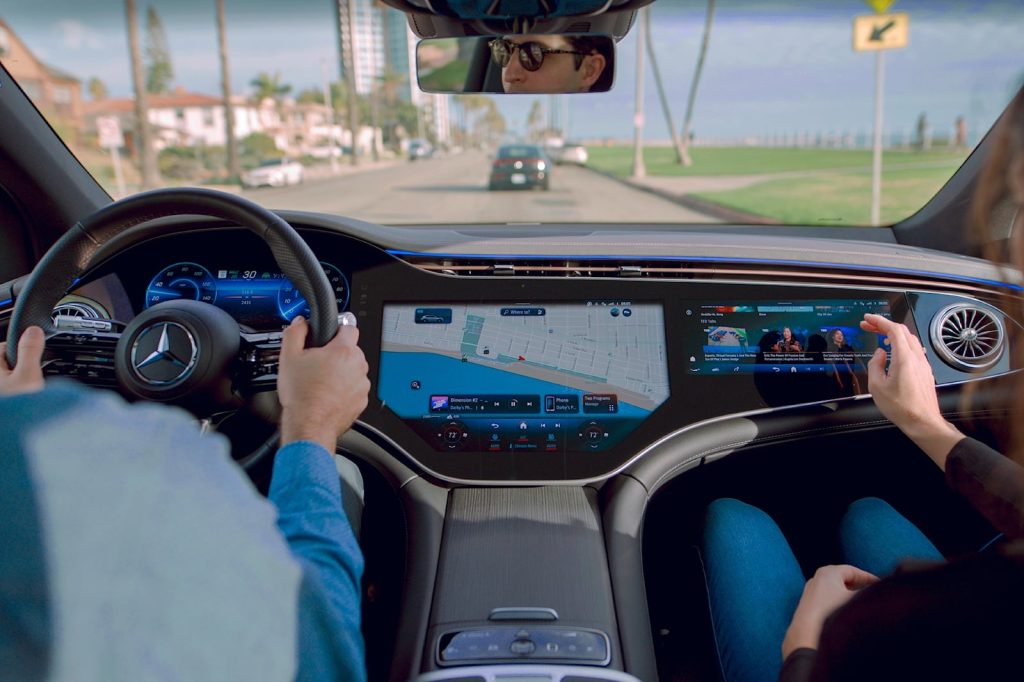
1. The Vision Behind Mercedes-Benz Autonomous Driving
A Legacy of Innovation in Automotive Engineering
Mercedes-Benz has a long-standing history of pioneering automotive advancements. From introducing safety belts to developing electronic stability control, the company has consistently prioritized safety and technological progress. The idea of autonomous driving emerged as a natural extension of these earlier achievements.
The Mercedes-Benz Autonomous Driving System was designed with the goal of minimizing human error, which remains one of the leading causes of road accidents worldwide. Engineers envisioned a vehicle capable of analyzing complex traffic situations and responding faster than human reflexes, ultimately improving road safety and efficiency.
Long-Term Goals and Strategic Development
Beyond safety, the vision behind autonomous driving also focuses on redefining the driving experience. Mercedes-Benz aimed to create vehicles that assist drivers in routine tasks, reduce fatigue, and provide greater convenience.
This strategic direction highlights the shift toward intelligent mobility. Rather than replacing drivers entirely, the Mercedes-Benz Autonomous Driving System supports them, making driving safer and more enjoyable while preparing for a future of increasingly automated transportation.
2. Understanding the Levels of Driving Automation
The Global Framework of Automation Levels
Autonomous driving technology is categorized into different levels based on the degree of automation. These levels range from basic driver assistance to full self-driving capabilities. Understanding these levels is crucial to evaluating the capabilities of the Mercedes-Benz Autonomous Driving System.
Level 0 represents no automation, while Level 5 represents full automation with no human intervention required. Most modern vehicles currently operate between Level 1 and Level 3, depending on the complexity of their features.
Mercedes-Benz Achievements in Level 3 Autonomy
Mercedes-Benz has achieved significant recognition by introducing Level 3 conditional automation in selected markets. At this level, the vehicle can take control of steering, braking, and acceleration under specific conditions, such as heavy traffic on highways.
This milestone demonstrates the company’s leadership in autonomous innovation. The Mercedes-Benz Autonomous Driving System enables drivers to temporarily disengage from driving tasks while maintaining overall safety and control.
3. Core Components of the Autonomous Driving System
Advanced Sensor Technology
The backbone of the Mercedes-Benz Autonomous Driving System is its comprehensive network of sensors. These sensors allow the vehicle to perceive its surroundings with remarkable precision and accuracy.
The system uses cameras, radar units, ultrasonic sensors, and LiDAR technology to collect environmental data. Cameras identify lane markings and traffic signs, radar detects distant objects, and LiDAR creates detailed three-dimensional maps of the vehicle’s surroundings.
Central Processing Units and System Integration
Once environmental data is collected, it is transmitted to powerful onboard processors. These computers analyze incoming information and determine the safest and most efficient driving actions.
The integration of hardware and software ensures that decisions are made in real time. This seamless processing capability allows the Mercedes-Benz Autonomous Driving System to react instantly to dynamic road conditions.
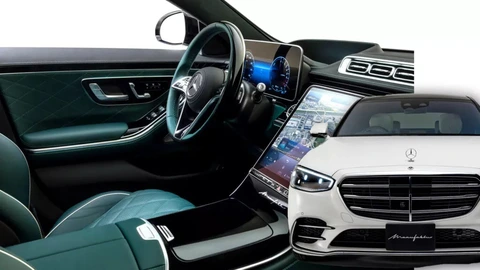
4. Artificial Intelligence and Machine Learning Integration
Data-Driven Learning Models
Artificial intelligence plays a central role in enabling autonomous driving. Machine learning algorithms are trained using massive datasets collected from real-world driving environments.
These datasets include countless driving scenarios, such as intersections, highway merges, and pedestrian crossings. Over time, the Mercedes-Benz Autonomous Driving System improves its accuracy by learning from these examples.
Predictive Decision-Making Capabilities
Unlike traditional systems that simply react to events, AI-powered systems predict potential hazards before they occur. For example, if a vehicle ahead slows down unexpectedly, the system calculates the probability of a collision and adjusts speed accordingly.
This predictive capability enhances safety and creates a smoother driving experience. It transforms the vehicle into an intelligent partner rather than a passive machine.
5. Safety Features and Redundancy Mechanisms
Multi-Layered Safety Architecture
Safety is the most critical aspect of any autonomous driving technology. The Mercedes-Benz Autonomous Driving System incorporates multiple layers of safety to ensure reliability under all conditions.
Redundant systems are built into essential components such as braking and steering. If one system fails, backup components immediately take over to maintain vehicle control.
Emergency Intervention Systems
In situations where an accident appears unavoidable, the system can initiate emergency responses. These include automatic braking, evasive steering adjustments, and lane stabilization.
Such features significantly reduce accident risks and protect passengers, pedestrians, and other drivers on the road.
6. Driver Experience and Human-Machine Interaction
User Interface Design and Communication
The interaction between the driver and the vehicle plays a crucial role in the effectiveness of autonomous systems. Mercedes-Benz designed intuitive interfaces that provide clear information about system status.
Visual indicators on dashboards inform drivers when the system is active or when manual intervention is required. This transparency ensures that drivers remain aware and confident while using the Mercedes-Benz Autonomous Driving System.
Smooth Transition Between Manual and Automated Driving
One of the biggest challenges in autonomous driving is managing transitions between automated and manual control. Mercedes-Benz has developed advanced notification systems to guide drivers during these transitions.
These notifications provide sufficient time for drivers to regain control safely, minimizing confusion and enhancing overall driving safety.
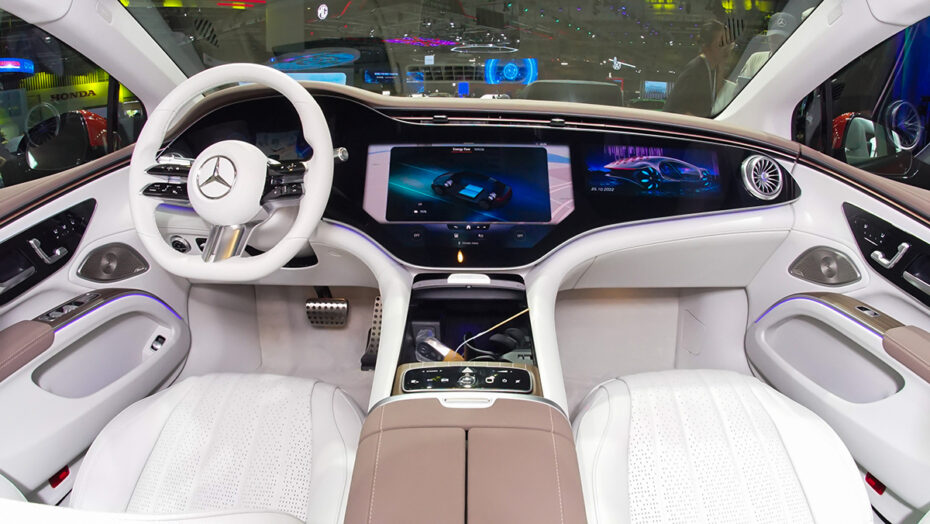
7. Real-World Performance and Driving Conditions
Urban Environment Adaptability
City driving presents numerous challenges, including traffic congestion, pedestrians, cyclists, and unpredictable driving behavior. The Mercedes-Benz Autonomous Driving System is designed to handle these complex conditions.
Through sensor fusion and advanced mapping technologies, the system identifies obstacles and navigates safely through crowded urban environments.
Highway Efficiency and Long-Distance Travel
Highway driving remains one of the most effective applications of autonomous technology. The system excels in maintaining lane position, adjusting speed, and responding to changing traffic patterns.
This capability reduces driver fatigue during long journeys and enhances fuel efficiency through smoother acceleration and braking.
8. Regulatory Approval and Legal Considerations
Certification and Compliance Requirements
Autonomous driving systems must undergo rigorous testing before being deployed on public roads. Regulatory authorities evaluate safety performance, reliability, and compliance with transportation laws.
The Mercedes-Benz Autonomous Driving System has received approvals in several regions, confirming its adherence to strict safety standards.
Ethical and Legal Responsibility Challenges
The rise of autonomous technology introduces new legal and ethical questions. Determining responsibility in the event of an accident requires clear guidelines and transparent decision-making processes.
Mercedes-Benz continues to collaborate with policymakers and regulatory bodies to establish responsible frameworks for autonomous vehicle operation.
9. Advantages and Limitations of the System
Key Advantages of Autonomous Driving
The Mercedes-Benz Autonomous Driving System offers numerous benefits that enhance the overall driving experience. These include improved safety, reduced stress, and increased efficiency.
Drivers experience less fatigue during long trips, and the system ensures consistent driving performance even in heavy traffic conditions.
Current Limitations and Technical Challenges
Despite its strengths, autonomous driving technology still faces limitations. Environmental factors such as heavy rain, snow, and fog can reduce sensor accuracy.
Unexpected human behavior also presents challenges. Continuous research and technological improvements aim to overcome these obstacles and expand system capabilities.
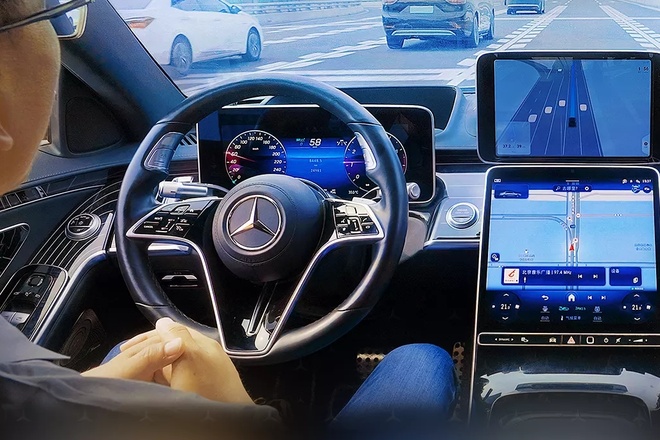
10. The Future of Mercedes-Benz Autonomous Driving Technology
Advancing Toward Higher Levels of Autonomy
The future of autonomous driving lies in achieving higher levels of automation. Mercedes-Benz continues to invest in research and development to move beyond Level 3 autonomy.
Future versions of the Mercedes-Benz Autonomous Driving System are expected to incorporate more advanced sensors, faster processors, and improved artificial intelligence algorithms.
Integration with Smart Infrastructure
Another major development involves integrating vehicles with smart city infrastructure. This includes communication between vehicles, traffic signals, and road systems.
Such connectivity will create safer and more efficient transportation networks. The Mercedes-Benz Autonomous Driving System will play a critical role in shaping the future of intelligent mobility.
Conclusion
The Mercedes-Benz Autonomous Driving System represents a major milestone in the evolution of automotive technology. By combining artificial intelligence, advanced sensor networks, and robust safety mechanisms, Mercedes-Benz has created one of the most sophisticated autonomous driving platforms available today.
From its visionary origins to its practical real-world applications, this system demonstrates how technology can enhance safety, improve comfort, and redefine the driving experience. While challenges remain, the continuous development of autonomous technology signals a future where vehicles become intelligent partners capable of navigating complex environments with remarkable precision.
Additional information: https://www.mercedes-benz.com/en/