
 Game Reviews
 Mobile Games
 Game Online
 Game Updates
 AI & Artificial Intelligence
 AI News
 AI Comparisons
 AI Tools Reviews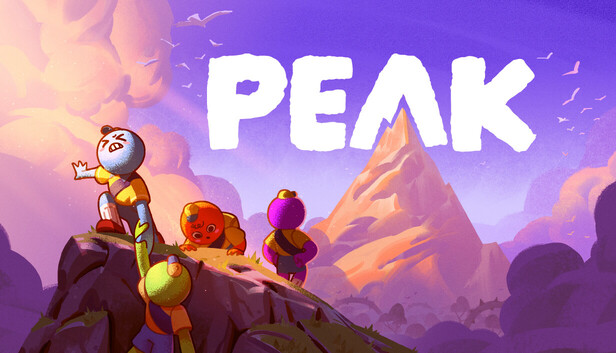
Introduction – When a Mountain Becomes the Real Enemy
There are many cooperative games that promise teamwork, chaos, and unforgettable moments, but very few deliver the kind of raw tension found in PEAK. From the moment you crash onto a mysterious island, the PEAK game wastes no time teaching you one simple truth: survival is not about strength, it’s about trust, patience, and smart decisions. Unlike traditional survival games that focus heavily on crafting or combat, PEAK gameplay revolves around movement, resource management, and communication.
What makes PEAK especially fascinating is how minimalistic its concept appears at first glance. You climb a mountain. That’s it. No elaborate cinematic introductions, no long narrative exposition, just a dangerous environment waiting to test your limits. Yet beneath this simple premise lies a deeply engaging experience where every small mistake can lead to failure. The co-op survival mechanics in PEAK are designed to challenge both skill and teamwork, creating moments that feel intensely personal and unpredictable.
As players continue their journey upward, the mountain evolves into a living obstacle filled with hazards, puzzles, and environmental dangers. The beauty of PEAK climbing mechanics is how naturally they blend tension with discovery. Every ledge you grab and every step you take carries weight, making progress feel earned rather than given.
See more: https://prol5review.com/home
1. The Premise – Stranded With Only One Goal
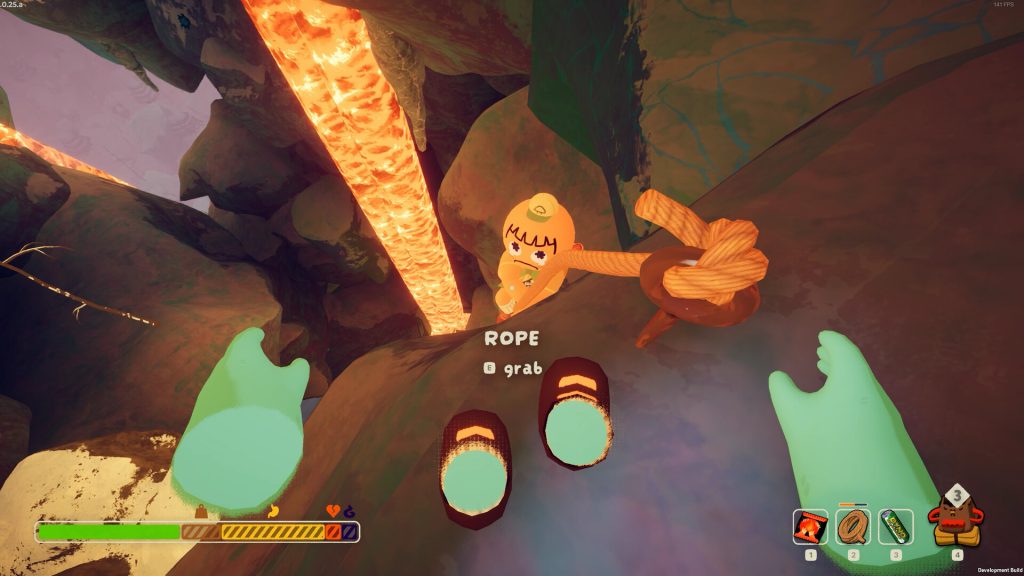
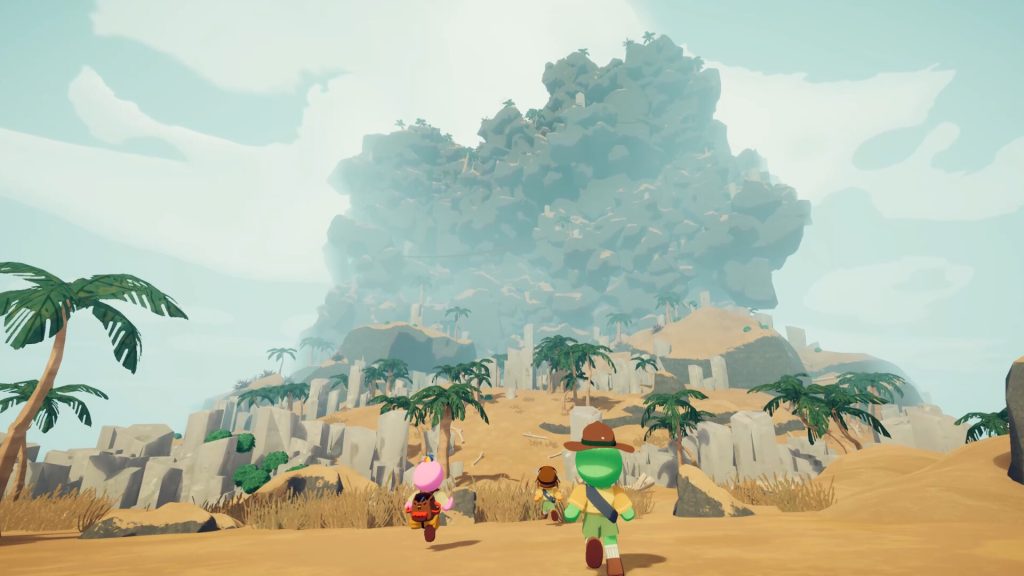
The core idea behind PEAK game survival mode begins with a plane crash that leaves players stranded on an unknown island. The only way out is to climb. There’s no rescue team, no backup plan, and no second chances. This stripped-down narrative works surprisingly well because it places the focus directly on gameplay rather than storytelling.
What makes PEAK story structure unique is its environmental storytelling. Instead of dialogue or cutscenes, the mountain itself tells the story. Strange plants, broken structures, and changing weather conditions create a sense of mystery that keeps players curious. Even though the PEAK narrative design is minimal, it never feels empty. The setting itself becomes the storyteller.
Another interesting aspect of PEAK survival concept is how failure plays a major role in learning. Unlike games that reward quick success, this one encourages players to experiment and adapt. Each attempt feels like practice for the next climb, reinforcing the idea that mastery comes from repetition rather than luck.
2. Gameplay Mechanics – Climbing Becomes the Core Language
At the heart of PEAK gameplay mechanics lies a stamina-based climbing system that demands precision. Every jump, grip, and movement drains stamina, forcing players to think before acting. This makes PEAK climbing system feel more strategic than many other survival titles.
The limited inventory system further enhances the tension. Players can carry only a small number of items, forcing them to prioritize carefully. In PEAK resource management, every item matters — food restores stamina, medical kits heal injuries, and tools help overcome obstacles. Choosing the wrong item can easily turn a successful climb into a failed attempt.
Another notable feature in PEAK cooperative gameplay is how movement becomes communication. Players often rely on gestures, positioning, and shared observation rather than spoken instructions. This subtle design choice adds depth to the gameplay, making teamwork feel organic instead of forced.
3. The Biomes – Beauty That Hides Danger
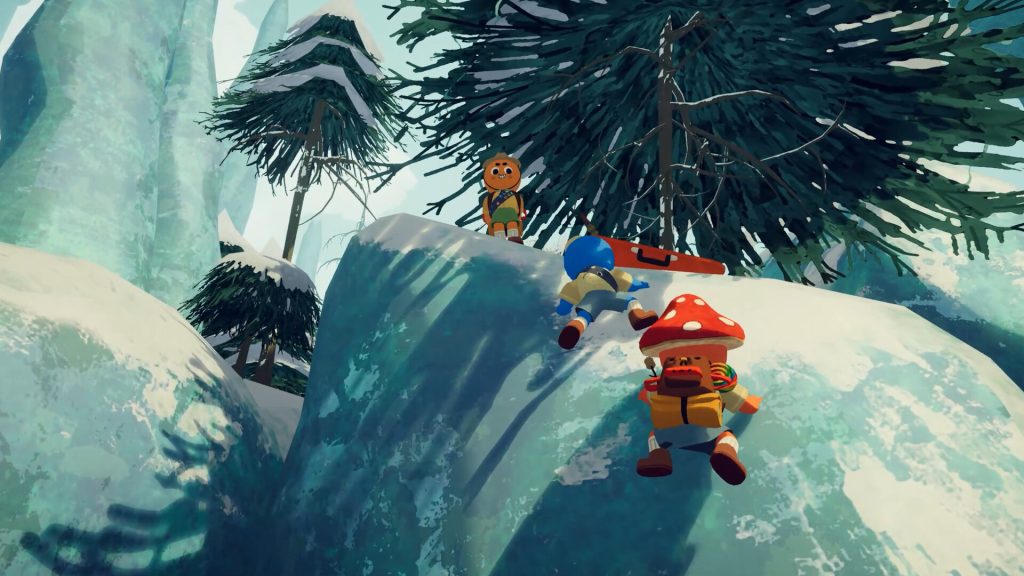
One of the most memorable parts of PEAK environmental design is the variety of biomes that players must traverse. Each biome introduces unique hazards, forcing players to adapt their strategies. Early zones may appear calm, but they serve as preparation for far more dangerous challenges ahead.
The jungle biome, for example, adds slippery surfaces and confusing pathways that make navigation difficult. In PEAK biome progression, vertical terrain becomes increasingly complex, demanding more precise movement and careful planning. Players quickly learn that rushing forward often leads to mistakes.
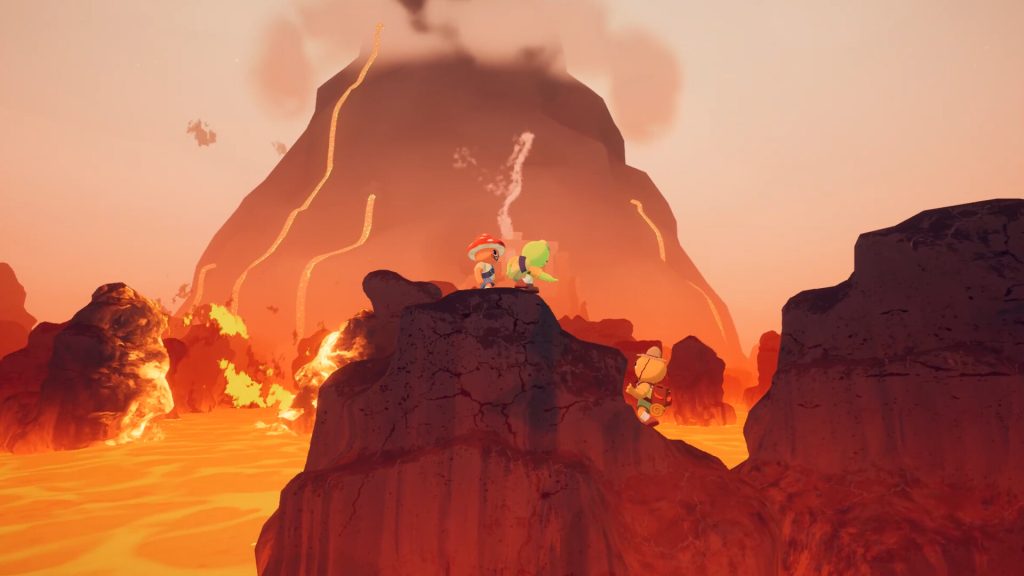
Later biomes become even more unforgiving. Fog, volcanic regions, and extreme weather conditions push the PEAK survival gameplay to its limits. These environments are not just visual changes — they actively influence how players interact with the world, ensuring that each stage feels fresh and threatening.
4. Teamwork Matters – Communication Is Survival
Few games emphasize teamwork as strongly as PEAK multiplayer experience. The proximity voice chat system adds immersion by allowing players to hear each other based on distance. When teammates move too far apart, voices fade, reinforcing the importance of staying together.
This system transforms PEAK cooperative strategy into something deeply personal. A missed call or misunderstood instruction can lead to failure. At the same time, successful coordination feels incredibly rewarding, especially when players overcome difficult sections together.
An interesting mechanic within PEAK team dynamics is the ghost system. When players die, they can still observe the environment and guide teammates. This keeps eliminated players involved and turns death into a strategic tool rather than a simple penalty.
5. Risk and Resource Management – Every Item Has Value
Managing supplies is one of the most stressful aspects of PEAK survival systems. Players must balance weight, stamina, and usefulness when choosing items. Carrying too much slows movement, but carrying too little leaves players unprepared.
Food plays a surprisingly complex role in PEAK stamina management. Some items restore energy, while others have unpredictable effects. This adds an element of risk that keeps gameplay unpredictable. Players often face difficult choices about whether to eat immediately or save supplies for later.
Another layer of PEAK inventory strategy involves tools such as ropes and grappling devices. These tools allow players to reach otherwise inaccessible areas, but they take up valuable space. This constant trade-off creates meaningful decision-making throughout the climb.
6. Visual Style – Simple Yet Surprisingly Atmospheric
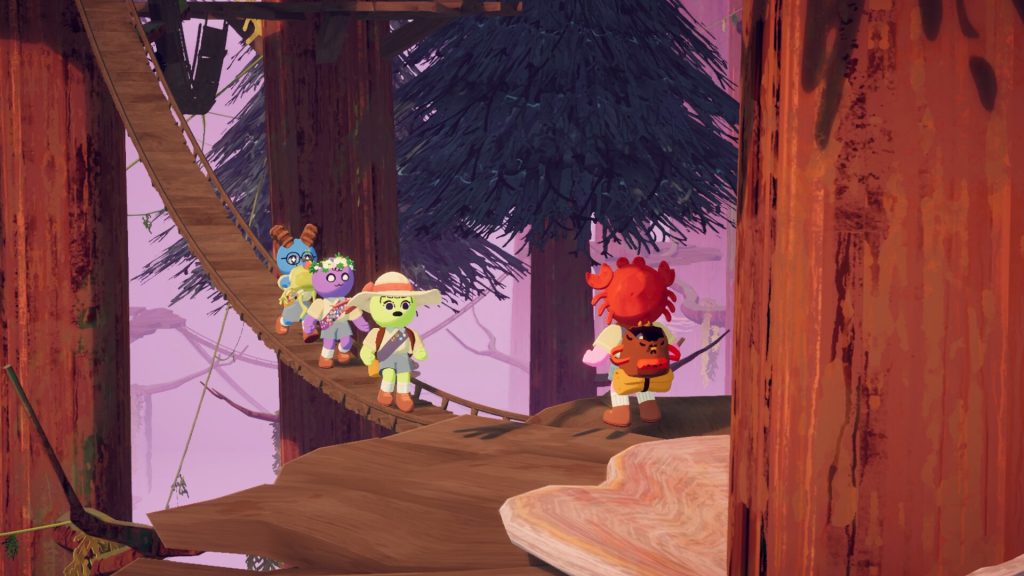
At first glance, the graphics in PEAK visual design appear minimalistic, but they quickly reveal unexpected depth. Bright colors and stylized environments create contrast between beauty and danger, enhancing the emotional impact of exploration.
Lighting plays a major role in PEAK atmosphere creation. Fog rolling up the mountain or frost forming at screen edges creates tension without relying on jump scares. These subtle effects reinforce the survival theme and make the world feel alive.
Despite occasional technical issues, the PEAK art direction successfully delivers a unique identity. Each biome feels distinct, helping players remember paths and landmarks even in chaotic situations.
7. Replayability – No Two Climbs Feel the Same
One of the strongest elements of PEAK replay value is its daily map rotation. Every 24 hours, the island layout changes, creating new paths and challenges. This ensures that even experienced players encounter fresh obstacles.
The procedural nature of PEAK level design keeps gameplay unpredictable. Players cannot rely on memorization alone; they must adapt to changing environments. This constant variation prevents the game from becoming repetitive.
Another reason for the strong PEAK long-term engagement is the cooperative chaos it generates. Mistakes often lead to funny or dramatic moments, turning failed attempts into memorable stories that encourage players to try again.
8. Difficulty Curve – Brutal but Fair
The challenge level in PEAK difficulty system is intentionally unforgiving. There are no generous checkpoints, and mistakes often lead to restarting large sections. This design may frustrate some players, but it also creates a sense of accomplishment when progress is made.
Learning the PEAK survival mechanics takes time. New players often struggle with stamina management, navigation, and teamwork. However, once these systems become familiar, the difficulty begins to feel fair rather than punishing.
Advanced stages in PEAK late-game challenges demand near-perfect coordination. Players must combine movement precision with strategic planning, transforming the climb into a test of patience and discipline.
9. Multiplayer vs Solo Experience – Two Different Worlds
While the game can be played alone, the PEAK solo gameplay experience feels very different from multiplayer sessions. Solo players rely entirely on personal skill, making each decision even more critical.
In contrast, PEAK multiplayer mode introduces teamwork dynamics that dramatically change the pacing. Players share resources, support each other during climbs, and recover from mistakes together. This creates a more social and unpredictable experience.
Interestingly, both playstyles have their strengths. Solo runs highlight personal mastery, while group sessions emphasize collaboration. This flexibility adds depth to the overall PEAK player experience.
10. Overall Value – Small Game, Big Impact
Despite its relatively low price, the PEAK value proposition is impressive. The combination of cooperative gameplay, dynamic environments, and creative mechanics delivers an experience that feels larger than expected.
One reason for the popularity of PEAK indie success story is its accessibility. The controls are easy to learn, but mastering them requires dedication. This balance attracts both casual and experienced players.
Critics have praised the game for its teamwork-focused design and replayability, highlighting how it creates memorable shared experiences even with minimal narrative elements.
Conclusion: A Mountain Worth Climbing Again and Again
In the end, PEAK is more than just a climbing game — it is a test of patience, communication, and teamwork. What begins as a simple survival scenario quickly evolves into a deeply engaging challenge where every decision matters. The strength of PEAK gameplay experience lies in its ability to turn small moments into unforgettable memories, whether those moments involve reaching a difficult ledge or laughing at a teammate’s mistake.
The game’s minimalist narrative, combined with its dynamic environments, creates an experience that feels both intense and rewarding. While technical issues and occasional frustration may appear along the way, the sense of accomplishment that comes from overcoming obstacles makes every failure worthwhile. The PEAK cooperative survival design ensures that players always have a reason to return, especially when playing with friends.
Ultimately, PEAK stands as proof that creativity and clever design can turn a simple concept into something extraordinary. It challenges players not just to climb higher, but to work smarter and trust each other along the way. For those who enjoy cooperative survival experiences that demand skill and communication, PEAK offers a journey that feels unforgettable from the first step to the final summit.
Follow us on Facebook: https://www.facebook.com/share/1CFA8qxACT/
Get Game Website Link