
 Game Reviews
 Mobile Games
 Game Online
 Game Updates
 AI & Artificial Intelligence
 AI News
 AI Comparisons
 AI Tools Reviews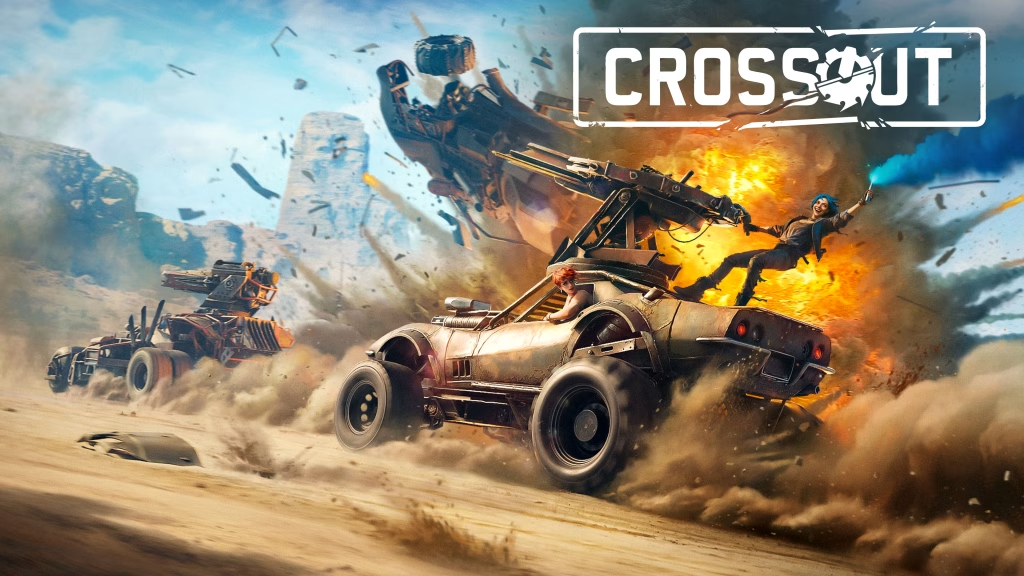
Introduction – A World Where Creativity Becomes Your Greatest Weapon
In a market filled with repetitive shooters and predictable vehicle combat games, Crossout stands out as a bold experiment in player-driven creativity. Instead of handing players pre-built machines, the Crossout game challenges them to design their own combat vehicles from scratch. This concept alone transforms the experience into something far more personal than traditional vehicular shooters. Every victory feels earned not just through skill, but through engineering decisions made in the garage long before the battle begins.
The setting of Crossout gameplay is a brutal post-apocalyptic wasteland where survival depends on mechanical ingenuity. Resources are scarce, alliances are temporary, and destruction is constant. From the moment players begin assembling their first vehicle, they realize that success depends on experimentation. The freedom to combine parts in nearly unlimited ways turns the Crossout vehicle building system into one of the most addictive mechanics in modern online action games.
What makes Crossout online battles truly compelling is the balance between creativity and strategy. A powerful weapon alone is useless without proper structure, weight distribution, and defensive placement. As players gain experience, they learn that design flaws can be just as dangerous as enemy attacks. This constant learning loop makes Crossout survival combat feel fresh even after dozens of matches.
See more: https://prol5review.com/home
1. The Post-Apocalyptic Setting – A World Built From Scrap
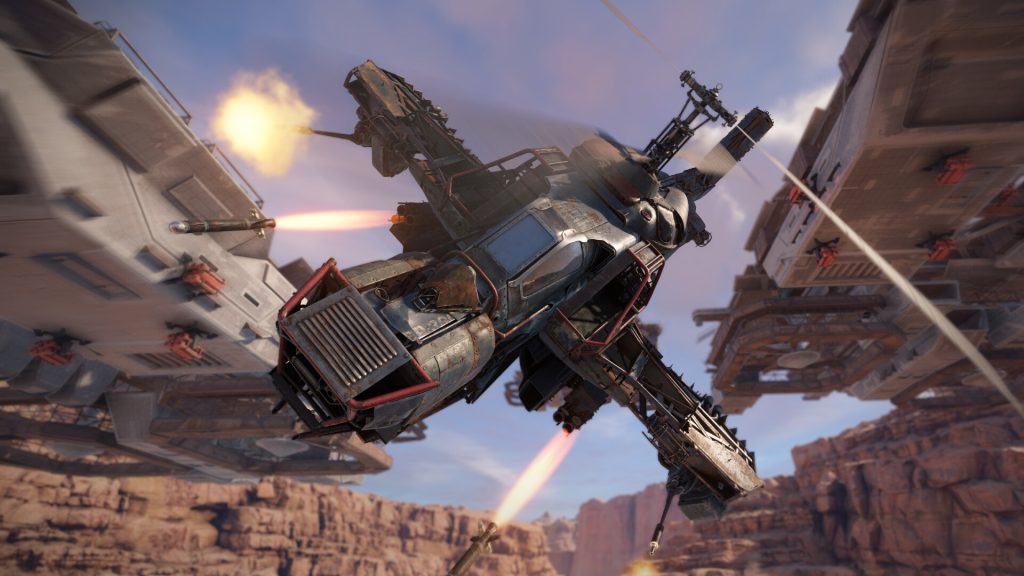
The world of Crossout wasteland environment feels harsh and unforgiving, yet strangely fascinating. Civilization has collapsed, leaving behind scattered communities struggling to survive among ruins. Rusted highways, abandoned factories, and broken cities form the backdrop of every battle. These environments perfectly reinforce the survival theme of the Crossout game world, making every location feel like a battlefield waiting to happen.
What sets the Crossout lore setting apart is its emphasis on survival culture. Instead of traditional military forces, players encounter scavengers, mechanics, and warlords who rely on salvaged technology. Each faction reflects a different survival philosophy, giving the world a sense of identity and depth. While the narrative isn’t heavily cinematic, the environment tells its own story through visual details and map design.
Another important element of Crossout environmental storytelling is the sense of isolation. Players rarely encounter signs of peace or safety. Every map feels dangerous, reminding players that the wasteland offers no second chances. This atmosphere strengthens immersion and ensures that every battle feels meaningful.
2. Vehicle Building System – The Heart of Crossout
Perhaps the most defining feature of Crossout vehicle customization is the ability to build combat machines piece by piece. Players start with basic parts but quickly unlock more advanced components such as armor plates, engines, wheels, and weapons. The Crossout crafting system rewards creativity, allowing players to design vehicles that reflect their personal playstyle.
One of the most satisfying aspects of Crossout building mechanics is the trial-and-error process. Players often experiment with different layouts, discovering which designs offer better durability or mobility. Sometimes a vehicle that looks intimidating fails quickly in combat due to poor structure. This learning experience makes victories feel more rewarding because success comes from thoughtful design rather than random chance.
The depth of Crossout modular construction also encourages long-term engagement. With hundreds of parts available, players can build anything from lightweight speed vehicles to heavily armored tanks. This flexibility ensures that no two machines look exactly the same, giving each match a unique visual identity.
3. Combat System – Destruction Feels Personal
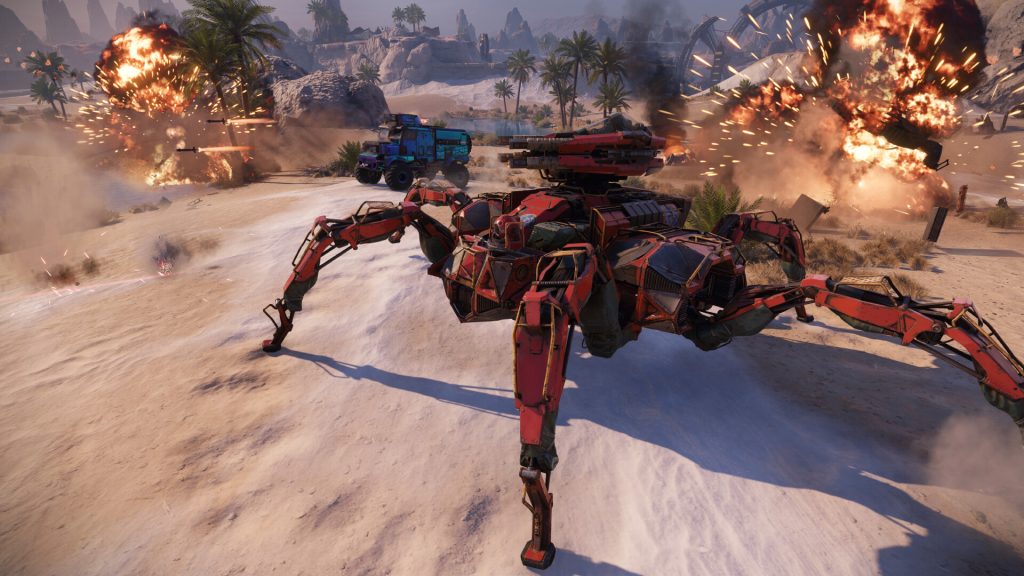
Combat in Crossout battle gameplay is both chaotic and tactical. Unlike traditional shooters where health bars determine survival, damage in Crossout directly affects individual vehicle components. Losing wheels, weapons, or armor changes the way your vehicle behaves. This makes the Crossout damage system feel realistic and dynamic.
Another unique feature of Crossout tactical combat is targeting specific parts of enemy vehicles. Skilled players often aim for weapons or wheels rather than the entire body. This strategic depth transforms combat into a game of precision rather than brute force. Even smaller vehicles can defeat larger ones if they exploit weak points effectively.
The sense of impact in Crossout explosive battles is enhanced by sound design and visual effects. Explosions feel powerful, and destroyed vehicles leave behind debris that adds to the chaos. Every fight becomes a dramatic spectacle filled with sparks, smoke, and mechanical destruction.
4. Game Modes – Variety Keeps the Battles Fresh
One of the strengths of Crossout multiplayer modes is the wide selection of gameplay types available. Standard PvP battles focus on team-based objectives such as destroying enemies or capturing locations. These matches are fast-paced and highly competitive, offering players constant action.
Beyond PvP, the Crossout PvE missions provide cooperative challenges where players fight against AI-controlled enemies. These missions introduce narrative elements and unique objectives, offering a break from competitive gameplay. They also serve as an excellent way to practice vehicle designs before entering more intense matches.
Another engaging feature of Crossout event modes is the introduction of limited-time challenges. Seasonal events often add special rules or unique rewards, encouraging players to experiment with new strategies. This continuous rotation of content helps maintain long-term interest.
5. Factions and Progression – Choose Your Identity
Progression in Crossout faction system revolves around aligning with different groups within the wasteland. Each faction offers unique vehicle parts and visual themes. This system encourages players to explore different styles and specialize in certain builds.
As players gain experience in Crossout progression mechanics, they unlock advanced technologies that significantly change gameplay possibilities. More powerful weapons, stronger armor, and faster engines become available over time. This gradual progression keeps the gameplay rewarding and prevents early burnout.
Another compelling element of Crossout faction reputation is the sense of belonging it creates. Players feel connected to their chosen faction, which adds emotional investment to the overall experience. Unlocking faction-exclusive parts feels like achieving milestones rather than simply collecting items.
6. Visual Design – Mechanical Chaos With Style
Although Crossout graphics quality may not rival high-budget AAA games, the art direction compensates with strong visual identity. Rusted metal textures, glowing weapon effects, and dusty environments create a consistent aesthetic that matches the post-apocalyptic theme.
Lighting and particle effects play a major role in Crossout visual immersion. Sparks flying from damaged vehicles and smoke trails from rockets add realism to combat scenes. These details enhance the sense of destruction and make battles visually exciting.
Another strength of Crossout art style is vehicle individuality. Because players design their own machines, each battlefield becomes filled with unique mechanical creations. This diversity keeps visual experiences fresh and unpredictable.
7. Economy and Crafting – The Value of Resources
Resource management in Crossout crafting economy is a crucial part of progression. Players collect scrap materials from battles and use them to craft new parts. This system encourages regular play and careful planning.
Trading is another important feature of Crossout player market. Players can buy and sell parts with others, creating a dynamic economy influenced by supply and demand. This adds depth to the gameplay, turning resource management into a strategic activity.
The complexity of Crossout resource strategy also introduces long-term goals. Players often save materials to craft rare components, which creates anticipation and motivation to keep playing.
8. Multiplayer Experience – Cooperation and Competition
Teamwork plays a vital role in Crossout multiplayer teamwork. Coordinated attacks and defensive positioning often determine the outcome of battles. Players who communicate effectively gain significant advantages.
Competitive elements in Crossout ranked battles attract skilled players looking for serious challenges. These matches demand precise vehicle design and tactical awareness. Winning ranked matches feels incredibly satisfying due to the high level of competition.
At the same time, Crossout casual multiplayer remains accessible to new players. The balance between competitive and casual gameplay ensures that the community remains active and diverse.
9. Replayability – Endless Possibilities Through Creativity
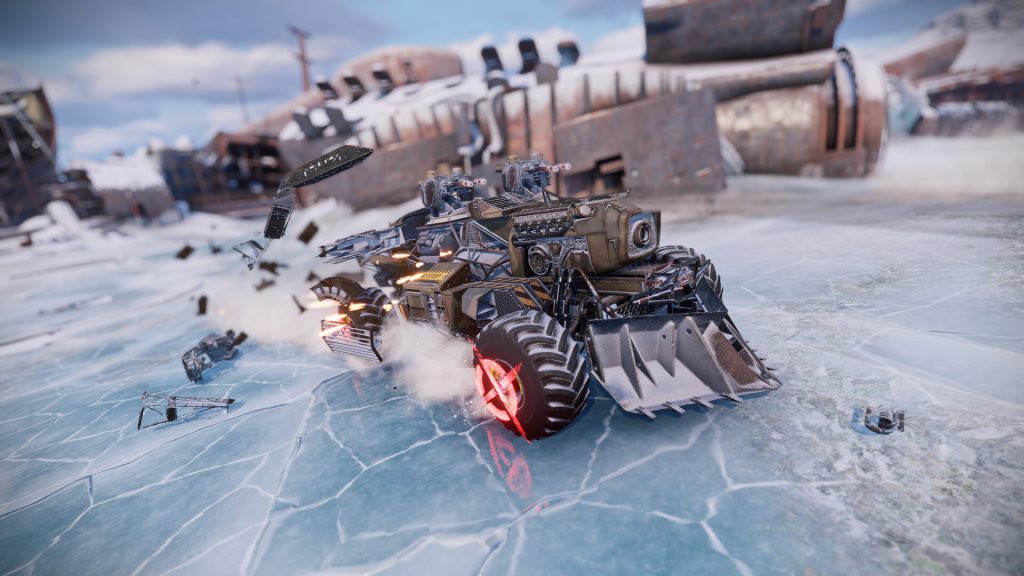
Few games offer the same level of Crossout replay value as this one. The ability to redesign vehicles at any time ensures that gameplay never becomes repetitive. Each new design feels like starting a fresh adventure.
Another major factor behind Crossout long-term engagement is experimentation. Players constantly test new weapon combinations and vehicle structures. This experimentation keeps gameplay exciting even after many hours.
The unpredictable nature of Crossout player creativity also contributes to replayability. Facing unexpected vehicle designs from other players ensures that no battle feels identical.
10. Strengths and Weaknesses – A Balanced Perspective
While Crossout gameplay depth is impressive, the learning curve can be intimidating for newcomers. Building effective vehicles requires patience and experimentation, which may discourage casual players.
Another challenge in Crossout matchmaking balance involves power differences between vehicles. Highly advanced builds can sometimes dominate weaker ones. However, experienced players often overcome these challenges through smart tactics.
Despite minor issues, the strengths of Crossout overall experience far outweigh its weaknesses. The combination of creativity, strategy, and action creates a memorable gameplay loop that stands out in the vehicle combat genre.
Conclusion – A Creative War Machine Worth Building
In the end, Crossout is more than just a combat game — it is a creative sandbox where engineering meets destruction. Every battle becomes a test of design, skill, and teamwork. The freedom to build unique vehicles ensures that each player’s journey feels personal and rewarding.
The strength of Crossout gameplay experience lies in its ability to turn imagination into survival tools. Whether constructing lightweight scouts or heavily armored war machines, players constantly experiment and evolve. This endless cycle of creation and destruction makes the game highly addictive.
Ultimately, Crossout proves that innovation can redefine familiar genres. By blending crafting mechanics with intense vehicle combat, it delivers a unique experience that continues to attract dedicated players. For fans of mechanical warfare and strategic design, Crossout remains one of the most engaging titles in its category.
Follow us on Facebook: https://www.facebook.com/share/1CFA8qxACT/
Get Game Website Link