
 Game Reviews
 Mobile Games
 Game Online
 Game Updates
 AI & Artificial Intelligence
 AI News
 AI Comparisons
 AI Tools Reviews
The modern smartphone has become an essential part of daily life, supporting communication, entertainment, productivity, and navigation. As smartphone capabilities have expanded, battery usage has increased significantly, creating a demand for faster and more efficient charging solutions. Smartphone Fast Charging has emerged as one of the most important innovations in mobile technology, allowing users to recharge their devices in a fraction of the time required by traditional charging methods.
Unlike conventional charging systems that deliver power slowly, Smartphone Fast Charging uses advanced power management techniques, improved battery chemistry, and intelligent circuitry to safely deliver higher energy levels. This technology has transformed how people use their smartphones, enabling longer usage times and reducing downtime. In this detailed review, we will explore the origins, working principles, benefits, challenges, and future developments of Smartphone Fast Charging, presented in a chronological and logical structure.
See more: https://prol5review.com/home
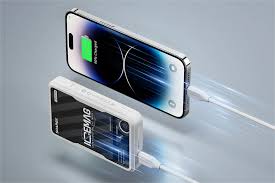
1. The Origins of Smartphone Fast Charging
Traditional Charging Limitations
In the early days of smartphones, charging speeds were relatively slow. Standard chargers delivered limited power, often requiring several hours to fully recharge a device. As smartphone usage increased, slow charging times became inconvenient for users who depended heavily on their devices.
Battery capacity also began to increase to support more powerful processors and larger displays. However, without improvements in charging technology, larger batteries resulted in even longer charging times.
Introduction of High-Speed Charging Technologies
To address these challenges, engineers developed methods to increase charging speeds while maintaining safety. Early fast charging systems introduced higher voltage levels to deliver more power efficiently.
This innovation marked the beginning of Smartphone Fast Charging, allowing devices to recharge significantly faster without compromising battery stability.
2. Core Principles Behind Smartphone Fast Charging
Voltage and Current Regulation
At the heart of Smartphone Fast Charging is the precise control of voltage and current. Charging speed depends on the amount of electrical power delivered to the battery.
Fast charging systems increase voltage or current levels while monitoring battery conditions. This ensures that energy flows efficiently without overheating or damaging internal components.
Power Management Circuits
Modern smartphones include advanced power management circuits that regulate charging processes. These circuits monitor temperature, voltage, and battery health continuously.
By adjusting power delivery in real time, Smartphone Fast Charging ensures optimal performance and safe operation.
3. Battery Technology and Chemistry
Lithium-Ion and Lithium-Polymer Batteries
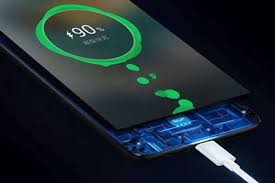
Most smartphones use lithium-ion or lithium-polymer batteries due to their high energy density and reliability. These battery types support fast charging by allowing rapid energy transfer.
Manufacturers continuously refine battery materials to improve efficiency and safety during high-speed charging.
Thermal Stability Enhancements
Fast charging generates heat, which can affect battery performance. To manage this challenge, battery designs include thermal-resistant materials and protective layers.
These improvements help maintain stability during high-power charging sessions, ensuring safe usage.
4. Charging Protocols and Standards
Proprietary Fast Charging Systems
Different manufacturers develop unique fast charging protocols tailored to their devices. These systems optimize charging speed based on hardware compatibility.
Such protocols allow Smartphone Fast Charging to deliver high efficiency when paired with compatible chargers and cables.
Universal Charging Standards
In addition to proprietary technologies, universal standards have been introduced to ensure compatibility across devices. These standards allow users to charge multiple devices using a single charger.
Standardization promotes convenience and reduces electronic waste by minimizing the need for multiple accessories.
5. Hardware Components Supporting Fast Charging
High-Power Chargers
Fast charging requires specialized chargers capable of delivering higher power levels than traditional units. These chargers include advanced circuitry to regulate output safely.
Modern fast chargers also incorporate safety features to prevent electrical surges and overheating.
Charging Cables and Connectors
Not all cables support fast charging. High-quality cables designed for Smartphone Fast Charging can handle increased electrical currents without overheating.
Durable connectors ensure stable power transmission and reduce energy loss during charging.
6. Benefits of Smartphone Fast Charging
Reduced Charging Time
The most obvious advantage of Smartphone Fast Charging is significantly shorter charging time. Many devices can reach substantial battery levels within minutes.
This speed allows users to recharge devices quickly during short breaks, improving convenience.
Enhanced Productivity and Mobility
Fast charging supports continuous smartphone usage without long interruptions. Professionals and students benefit from reliable access to power throughout the day.
This convenience makes fast charging an essential feature for modern lifestyles.
7. Safety Mechanisms and Protection Systems
Temperature Monitoring Systems
Safety is critical in Smartphone Fast Charging due to the high energy involved. Temperature sensors continuously monitor heat levels during charging.
If temperatures rise beyond safe limits, the system automatically reduces power delivery to prevent damage.
Overcharge and Short-Circuit Protection
Modern charging systems include protection against overcharging and electrical faults. These features prevent battery swelling, overheating, and potential hazards.
Safety mechanisms ensure that fast charging remains reliable and secure.
8. Challenges and Limitations
Battery Degradation Concerns
Repeated fast charging cycles may accelerate battery wear over time. High energy transfer rates can stress battery components, reducing lifespan.
Manufacturers address this issue through improved battery materials and optimized charging algorithms.
Heat Management Issues
Heat generation remains one of the primary challenges associated with Smartphone Fast Charging. Excessive heat can reduce efficiency and affect device performance.
Advanced cooling techniques are required to maintain stable operation.
9. Future Innovations in Fast Charging Technology
Ultra-Fast Charging Solutions
Researchers are developing ultra-fast charging technologies capable of delivering even higher power levels. These systems aim to reduce charging times to just a few minutes.
Such innovations will significantly enhance user convenience and device usability.
Wireless Fast Charging Advancements
Wireless charging technology is also evolving to support faster speeds. Future wireless systems may rival traditional wired charging performance.
These developments will increase flexibility and reduce reliance on physical cables.
10. Long-Term Impact on Mobile Technology
Supporting Advanced Smartphone Features
As smartphones become more powerful, energy demands continue to rise. Smartphone Fast Charging plays a vital role in supporting advanced features such as high-resolution displays and AI processing.
Reliable power delivery ensures smooth device performance.
Driving Innovation Across the Industry
Fast charging technology influences the design of batteries, chargers, and mobile devices. Continuous improvements encourage innovation across the entire electronics ecosystem.
This progress contributes to better user experiences and more efficient devices.
Conclusion
Smartphone Fast Charging has transformed the way users interact with mobile devices by significantly reducing charging times and enhancing convenience. Through advancements in battery chemistry, power management, and safety systems, fast charging technology has become a standard feature in modern smartphones.
Although challenges such as heat management and battery lifespan remain, ongoing research continues to refine this technology. Future innovations in ultra-fast and wireless charging will further improve efficiency and accessibility.
Ultimately, Smartphone Fast Charging represents a critical step toward more efficient and user-friendly mobile technology. By delivering reliable power quickly and safely, this technology ensures that smartphones remain ready to meet the demands of modern life.
Follow us on Facebook: https://www.facebook.com/share/1CFA8qxACT/