
 Game Reviews
 Mobile Games
 Game Online
 Game Updates
 AI & Artificial Intelligence
 AI News
 AI Comparisons
 AI Tools Reviews
The smartphone industry has reached a stage where innovation is no longer limited to faster processors or better cameras. Instead, manufacturers are exploring entirely new device formats to redefine user experiences. One of the most exciting developments in recent years is Foldable Smartphone Technology, which allows smartphones to transform into larger displays without sacrificing portability.
From early prototypes to commercially available devices, foldable smartphones represent a significant leap in mobile engineering. This technology blends advanced materials, flexible displays, and innovative hinge mechanisms to create devices that can adapt to different usage scenarios. In this comprehensive review, we will explore the origins, design principles, advantages, challenges, and future possibilities of Foldable Smartphone Technology, presenting a detailed and logical overview of this rapidly evolving innovation.
See more: https://prol5review.com/home

1. The Origins of Foldable Smartphone Technology
Early Experiments with Flexible Displays
The foundation of Foldable Smartphone Technology can be traced back to early experiments with flexible display materials. Traditional smartphone screens relied on rigid glass panels, limiting the ability to change form factors. However, researchers began exploring flexible organic light-emitting diode (OLED) technology, which could bend without breaking.
During the early development phase, engineers faced significant challenges related to durability and image quality. Flexible displays needed to maintain brightness, color accuracy, and responsiveness while enduring repeated bending. Despite these challenges, technological progress continued, eventually leading to practical solutions.
From Concept Designs to Commercial Products
Foldable smartphones were initially showcased as concept devices at technology exhibitions. These prototypes demonstrated the possibility of folding screens but often lacked the reliability required for everyday use.
Over time, improvements in hinge design and display protection enabled manufacturers to release consumer-ready foldable smartphones. This transition marked the beginning of a new era in mobile device design, where flexibility became a defining feature.
2. Understanding the Core Structure of Foldable Smartphones
Flexible Display Technology
At the heart of Foldable Smartphone Technology lies the flexible display. Unlike traditional screens made from rigid materials, foldable displays use ultra-thin layers of OLED materials combined with flexible substrates.
These layers allow the screen to bend while maintaining visual clarity. Advanced protective coatings are added to prevent scratches and extend the display’s lifespan.
The Role of Protective Layers
To ensure durability, foldable screens incorporate multiple protective layers. These layers shield sensitive components from dust, pressure, and impact.
Manufacturers also design specialized screen surfaces that resist creasing and maintain touch sensitivity. This layered structure plays a critical role in preserving performance over extended use.

3. The Engineering Behind Foldable Hinges
Precision Hinge Mechanisms
The hinge system is one of the most complex components of Foldable Smartphone Technology. It allows the device to open and close smoothly while maintaining structural integrity.
Engineers design hinges using advanced materials and precise tolerances. These components must withstand thousands of folding cycles without loosening or failing.
Maintaining Stability and Alignment
Proper alignment between display panels is essential for smooth operation. Misalignment can lead to uneven wear or display damage.
To address this challenge, manufacturers incorporate stabilization mechanisms that keep the device balanced during folding and unfolding. This ensures a consistent and reliable user experience.
4. Software Optimization for Foldable Devices
Adaptive User Interfaces
Foldable smartphones require specialized software to function effectively. Applications must adapt to different screen sizes and orientations automatically.
Operating systems are designed to detect when the device is folded or unfolded. This allows content to resize dynamically, providing seamless transitions between smartphone and tablet modes.
Multi-Tasking and Productivity Enhancements
One of the major advantages of Foldable Smartphone Technology is enhanced multitasking capability. Larger unfolded displays enable users to run multiple applications simultaneously.
Split-screen features allow users to view documents, browse the internet, and communicate without switching between apps. This productivity boost makes foldable devices appealing to professionals and students alike.
5. Advantages of Foldable Smartphone Technology
Expanded Screen Space in a Compact Form
Foldable smartphones offer a unique balance between portability and functionality. When folded, they fit easily into pockets, while unfolding provides a significantly larger display area.
This versatility allows users to enjoy immersive media experiences without carrying separate devices such as tablets.
Enhanced User Experience and Flexibility
Flexibility is a defining characteristic of Foldable Smartphone Technology. Users can switch between different modes depending on their needs, whether watching videos, reading documents, or gaming.
This adaptability transforms smartphones into multifunctional devices capable of supporting diverse tasks.
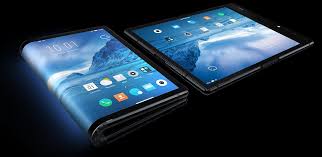
6. Durability Challenges and Engineering Solutions
Screen Longevity and Crease Management
One of the most common concerns associated with foldable smartphones is display durability. Repeated folding can create visible creases over time.
Manufacturers address this issue by improving display materials and optimizing hinge mechanics. These advancements reduce stress on the screen during folding cycles.
Resistance to Dust and External Damage
Foldable devices contain moving parts that may allow dust particles to enter internal components. Dust intrusion can affect performance and cause long-term damage.
To mitigate this risk, engineers incorporate sealing techniques and protective designs that minimize exposure to environmental elements.
7. Battery Design and Power Efficiency
Dual Battery Configurations
Foldable smartphones often require specialized battery designs to accommodate flexible layouts. Many devices use dual battery systems positioned on each side of the fold.
This configuration ensures balanced weight distribution and efficient energy usage across the device.
Optimizing Energy Consumption
Large displays require more power than traditional smartphone screens. Therefore, Foldable Smartphone Technology integrates advanced power management systems to maintain efficiency.
Energy-saving features such as adaptive brightness and intelligent processing help extend battery life.
8. Market Adoption and Consumer Trends
Growing Interest Among Technology Enthusiasts
Foldable smartphones initially targeted technology enthusiasts and early adopters. These users were attracted to innovative designs and cutting-edge functionality.
Over time, improvements in reliability and performance have increased consumer confidence in foldable devices.
Expanding Availability Across Price Segments
As production costs decrease, foldable smartphones are gradually becoming more accessible. Manufacturers are introducing models at various price levels to reach a broader audience.
This expansion indicates that Foldable Smartphone Technology is transitioning from niche innovation to mainstream adoption.
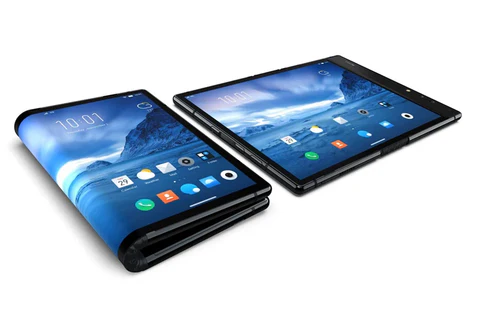
9. Limitations and Practical Considerations
Higher Costs Compared to Traditional Smartphones
Despite their advantages, foldable smartphones remain more expensive than conventional devices. The complexity of manufacturing flexible displays and hinge systems contributes to higher costs.
Consumers must evaluate whether the benefits justify the investment, particularly when budget constraints are a concern.
Weight and Thickness Factors
Foldable smartphones are often slightly thicker and heavier than standard smartphones. This difference results from additional components required to support folding mechanisms.
However, ongoing engineering improvements aim to reduce device size and enhance portability.
10. The Future of Foldable Smartphone Technology
Advancements in Display Materials
Future developments in Foldable Smartphone Technology are expected to focus on stronger and more flexible display materials. Innovations such as ultra-thin glass and advanced polymers will enhance durability.
These improvements will reduce creasing and extend device lifespan, making foldable smartphones more reliable.
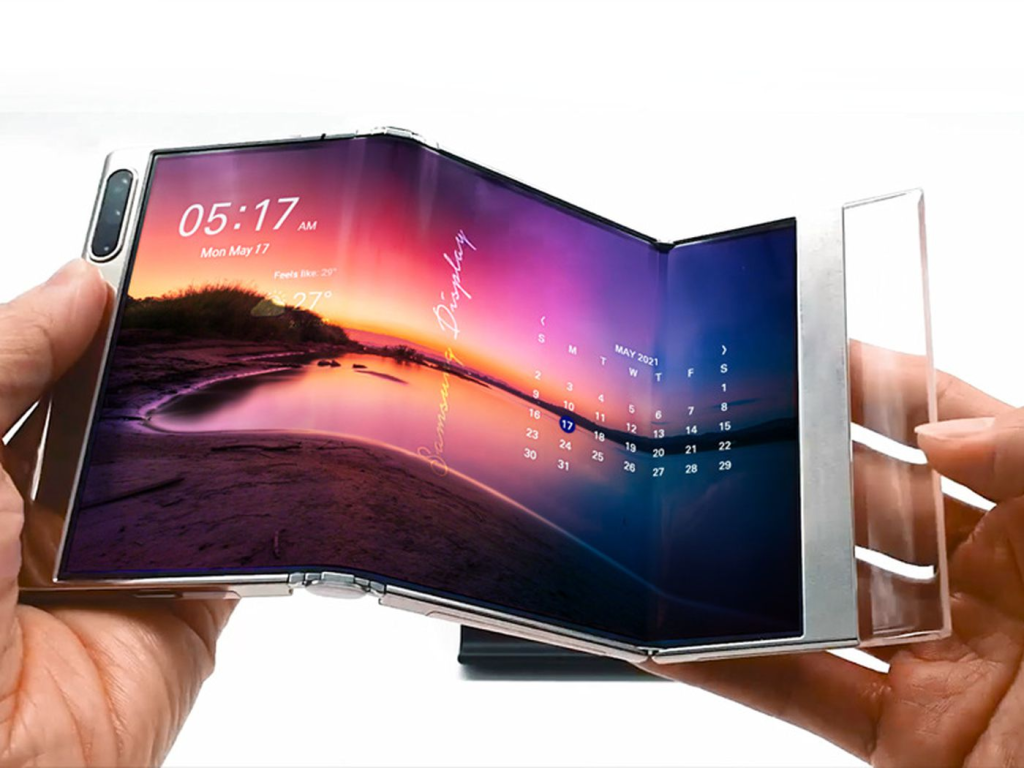
Emergence of New Device Form Factors
The future of foldable technology may extend beyond smartphones. Manufacturers are exploring foldable tablets, laptops, and wearable devices.
Such innovations could reshape how users interact with digital devices, enabling entirely new forms of communication and productivity.
Conclusion
Foldable Smartphone Technology represents one of the most significant design transformations in the history of mobile devices. By combining flexible displays, advanced hinge mechanisms, and intelligent software, foldable smartphones introduce a new level of versatility and convenience.
While challenges related to cost, durability, and power efficiency remain, continuous innovation is rapidly addressing these limitations. As technology advances, foldable smartphones are expected to become more affordable, reliable, and widely adopted.
The future of mobile devices lies in adaptability, and foldable technology exemplifies this shift. By offering larger screens within compact designs, foldable smartphones are redefining what users expect from modern mobile technology.
Follow us on Facebook: https://www.facebook.com/share/1CFA8qxACT/