
 Game Reviews
 Mobile Games
 Game Online
 Game Updates
 AI & Artificial Intelligence
 AI News
 AI Comparisons
 AI Tools Reviews
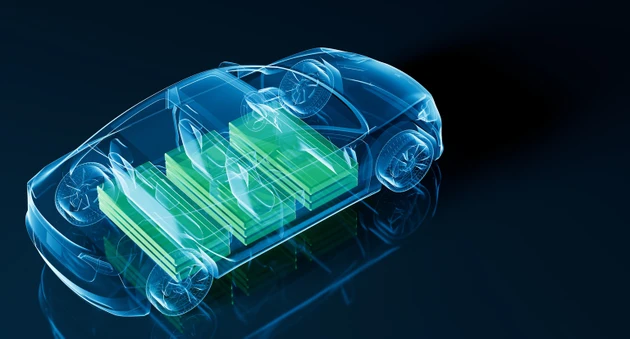
The global shift toward electric mobility has accelerated dramatically over the past decade, but one major limitation continues to challenge the widespread adoption of electric vehicles (EVs): battery technology. While lithium-ion batteries have powered the current generation of EVs, researchers and automakers are actively investing in a new breakthrough Solid-State Batteries. These next-generation batteries promise improved safety, higher energy density, faster charging, and longer lifespan.
As the automotive industry moves toward sustainability and innovation, Solid-State Batteries: The Next Revolution in EV Technology is more than just a trending concept—it represents a transformative leap that could redefine how electric vehicles operate. This in-depth review explores the origins, structure, advantages, challenges, and future outlook of solid-state battery technology, providing a comprehensive understanding of why it is widely considered the next milestone in EV development.
See more: https://prol5review.com/home
1. The Origins of Solid-State Battery Technology
Early Research and Scientific Foundations
The concept of solid-state batteries is not entirely new. Scientists began exploring solid electrolytes several decades ago as an alternative to liquid electrolytes used in traditional lithium-ion batteries. The initial goal was to improve safety and reduce the risk of battery leakage and thermal instability.
During early experimentation phases, researchers discovered that solid electrolytes could theoretically store more energy in a smaller space. However, technical limitations, including material instability and high production costs, delayed large-scale development. Over time, advances in materials science and nanotechnology revived interest in this promising technology.
The Rise of Electric Vehicles and Renewed Interest
The rapid growth of electric vehicles created an urgent need for better battery solutions. Traditional lithium-ion batteries, while effective, have limitations in energy density, charging speed, and lifespan. As EV manufacturers sought ways to extend driving range and improve safety, solid-state batteries emerged as a logical solution.
Major automotive brands and research institutions began investing heavily in solid-state battery research. This renewed interest positioned solid-state technology as a key innovation capable of addressing many of the shortcomings associated with conventional battery systems.
2. Understanding How Solid-State Batteries Work
Basic Structure and Components
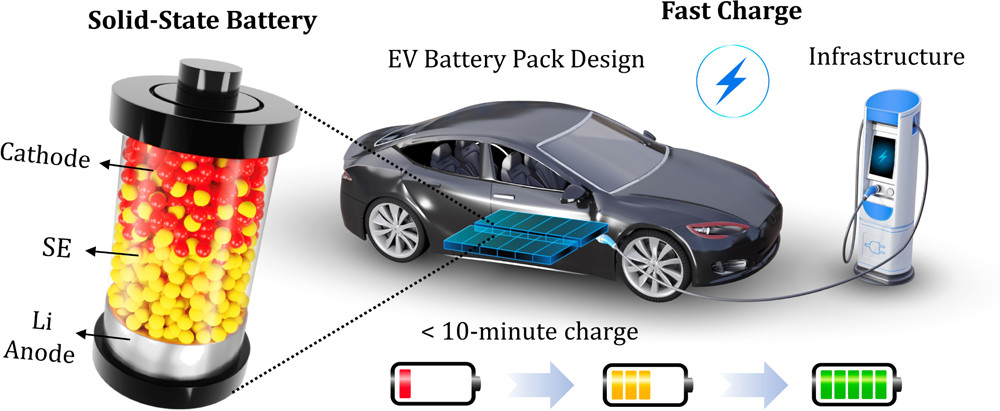
Unlike traditional lithium-ion batteries, which use liquid electrolytes, solid-state batteries rely on solid electrolytes to transfer ions between electrodes. This fundamental design difference creates a more stable internal structure.
The main components of a solid-state battery include a solid electrolyte, an anode, and a cathode. The solid electrolyte acts as both a separator and a conductor, allowing lithium ions to move safely between electrodes without the risks associated with liquid-based systems.
Ion Movement and Energy Storage
Energy storage in solid-state batteries occurs through ion movement during charging and discharging cycles. When the battery charges, lithium ions travel from the cathode to the anode through the solid electrolyte. During discharge, the ions return to the cathode, generating electrical energy.
This controlled movement of ions reduces the likelihood of short circuits and enhances overall system stability. As a result, solid-state batteries are widely regarded as safer and more efficient than traditional battery technologies.
3. Key Advantages Over Traditional Lithium-Ion Batteries
Higher Energy Density and Extended Range
One of the most significant advantages of solid-state batteries is their higher energy density. This means they can store more energy in a smaller physical space compared to lithium-ion batteries.
For electric vehicles, this translates directly into longer driving ranges. Drivers could potentially travel hundreds of additional kilometers on a single charge, reducing range anxiety and making EVs more practical for long-distance travel.
Enhanced Safety and Thermal Stability
Safety is another major benefit of solid-state technology. Liquid electrolytes used in lithium-ion batteries are flammable and can pose fire risks if damaged or overheated. Solid electrolytes, on the other hand, are typically non-flammable.
This improved thermal stability significantly reduces the likelihood of battery fires. For consumers, this means greater confidence in EV safety, especially during accidents or extreme weather conditions.
4. Charging Speed Improvements and Efficiency Gains
Faster Charging Capabilities
Charging speed remains a key factor influencing EV adoption. Solid-state batteries have the potential to dramatically reduce charging times due to their improved ion conductivity and stable chemical structure.
Some experimental prototypes suggest that EVs powered by solid-state batteries could achieve substantial charge levels within minutes rather than hours. This development would bring charging convenience closer to the experience of refueling gasoline vehicles.
Improved Energy Efficiency
Efficiency improvements also play a critical role in overall performance. Solid-state batteries experience lower energy losses during charging and discharging cycles.
Reduced resistance within the solid electrolyte allows more energy to be utilized effectively. This efficiency not only enhances driving range but also contributes to lower energy consumption over time.
5. Durability and Lifespan Benefits
Resistance to Degradation
Traditional lithium-ion batteries gradually lose capacity due to chemical degradation and repeated charge cycles. Solid-state batteries offer improved resistance to such degradation due to their stable chemical composition.
The absence of liquid electrolytes minimizes unwanted chemical reactions that typically reduce battery performance. This stability contributes to longer-lasting battery systems that maintain efficiency over extended periods.
Extended Operational Life
Longer battery life is particularly valuable for electric vehicles, where battery replacement costs can be significant. Solid-state batteries are expected to withstand more charging cycles without substantial capacity loss.
This extended lifespan could reduce maintenance costs and improve overall ownership value, making EVs more attractive to a broader range of consumers.
6. Manufacturing Challenges and Technical Barriers
Complex Production Processes
Despite their advantages, solid-state batteries face several manufacturing challenges. Producing high-quality solid electrolytes requires precise control over materials and assembly conditions.
These processes are currently more complex than those used in lithium-ion battery production. Scaling up manufacturing while maintaining consistency remains a significant technical hurdle.
Cost Considerations
Cost is another major barrier to widespread adoption. The materials used in solid-state batteries, such as specialized ceramics and advanced polymers, can be expensive.
Until production methods become more efficient and cost-effective, solid-state batteries may remain limited to premium vehicles and specialized applications.
7. Industry Adoption and Leading Innovators
Automotive Industry Investments
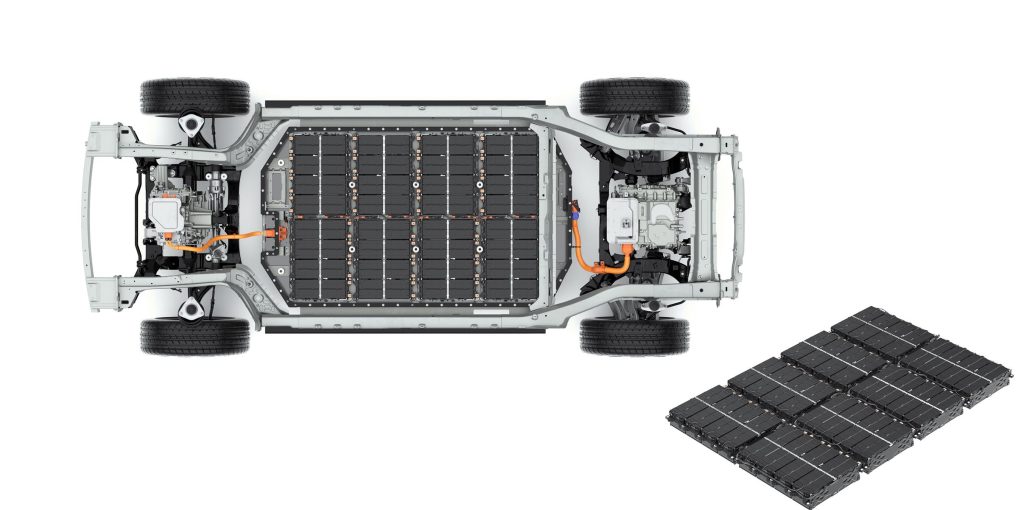
Major automotive manufacturers are actively investing in solid-state battery research. These investments reflect the industry’s recognition of solid-state technology as a critical factor in the future of electric mobility.
Collaborations between automakers and technology companies are accelerating research and development efforts. Such partnerships aim to shorten the timeline required to bring commercial solid-state batteries to market.
Emerging Startups and Research Institutions
In addition to established manufacturers, startups and academic institutions are playing an essential role in advancing solid-state technology.
These organizations focus on developing new materials, improving manufacturing methods, and testing innovative battery architectures. Their contributions continue to push the boundaries of what solid-state batteries can achieve.
8. Environmental Impact and Sustainability
Reducing Carbon Footprint
Solid-state batteries have the potential to reduce environmental impact compared to traditional battery technologies. Improved efficiency and longer lifespan mean fewer battery replacements and reduced resource consumption.
By extending vehicle range and improving charging efficiency, solid-state batteries also support broader adoption of electric vehicles, reducing reliance on fossil fuels.
Recycling and Resource Management
Recycling remains an important consideration for battery sustainability. Solid-state batteries may simplify recycling processes due to their stable chemical composition.
Efficient recycling systems will help recover valuable materials and minimize environmental waste, contributing to a more sustainable battery lifecycle.
9. Real-World Applications Beyond Electric Vehicles
Use in Consumer Electronics
Although electric vehicles represent the most visible application, solid-state batteries have potential uses in consumer electronics. Devices such as smartphones, laptops, and wearable technology could benefit from longer battery life and improved safety.
Smaller devices powered by solid-state batteries could become thinner, lighter, and more energy-efficient, enhancing user convenience.
Applications in Aviation and Renewable Energy
Solid-state technology also shows promise in aviation and renewable energy storage systems. Aircraft powered by lightweight, high-capacity batteries could reduce fuel consumption and emissions.
Similarly, renewable energy systems could store electricity more efficiently, improving grid stability and supporting sustainable power generation.
10. The Future Outlook for Solid-State Batteries
Timeline for Commercial Deployment
While solid-state batteries remain under development, industry experts anticipate gradual commercial adoption over the coming years. Initial deployments may appear in high-end electric vehicles before expanding into mainstream markets.
As manufacturing techniques improve, production costs are expected to decrease, making solid-state batteries more accessible to consumers.
Transforming the Electric Vehicle Industry
The widespread adoption of solid-state batteries could fundamentally reshape the electric vehicle landscape. Longer driving ranges, faster charging times, and enhanced safety features will make EVs more competitive with traditional vehicles.
Ultimately, Solid-State Batteries: The Next Revolution in EV Technology represents a pivotal step toward achieving sustainable transportation and accelerating the global transition to clean energy.
Conclusion
Solid-state batteries stand at the forefront of innovation in the electric vehicle industry. By replacing liquid electrolytes with solid materials, this technology offers a safer, more efficient, and longer-lasting alternative to traditional lithium-ion batteries. From improved energy density to faster charging capabilities, the advantages of solid-state batteries are substantial and transformative.
Although manufacturing challenges and cost barriers remain, ongoing research and industry investment continue to drive progress. As technological advancements overcome these obstacles, solid-state batteries are expected to become a cornerstone of next-generation electric vehicles and energy storage systems.
The journey toward sustainable transportation depends heavily on breakthroughs like solid-state batteries. As development continues, this revolutionary technology will likely define the next era of mobility—one where electric vehicles are safer, more efficient, and accessible to drivers around the world.
Follow us on Facebook: https://www.facebook.com/share/1CFA8qxACT/