
 Game Reviews
 Mobile Games
 Game Online
 Game Updates
 AI & Artificial Intelligence
 AI News
 AI Comparisons
 AI Tools Reviews
Introduction
At first glance, Teardown may appear to be just another sandbox destruction game, but once players step into its physics-driven world, they quickly realize how unique the experience truly is. Built around fully destructible environments, Teardown gameplay focuses on planning elaborate heists and solving puzzles through creative destruction. Instead of relying solely on speed or combat reflexes, success in Teardown often depends on clever thinking and precise environmental manipulation.
What makes Teardown stand out in the sandbox genre is its combination of freedom and pressure. Players are given time to prepare complex escape routes before alarms trigger, turning each mission into a tense race against the clock. The mixture of destruction mechanics and strategic planning creates a fresh style of Teardown sandbox gameplay that feels both chaotic and intelligent at the same time.
See more: https://prol5review.com/home
1. First Moments in a Fully Destructible World
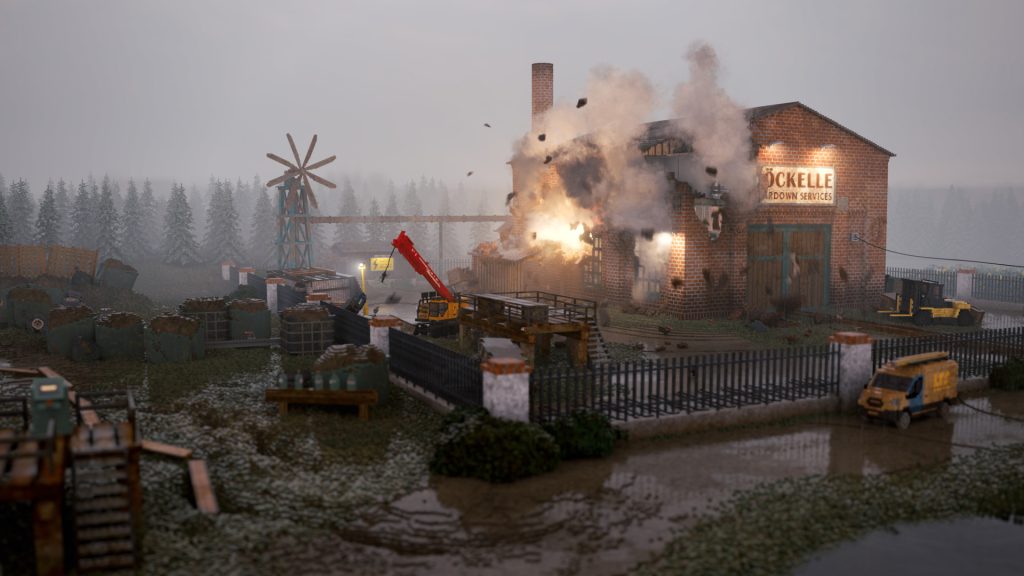
Entering the world of Teardown gameplay for the first time feels like stepping into a digital construction site where every object can be manipulated. Walls, doors, windows, and even entire buildings respond to player actions, allowing nearly unlimited destruction possibilities. This level of environmental interaction immediately establishes the creative freedom that defines Teardown physics mechanics.
Early exploration in Teardown sandbox mode encourages experimentation. Players quickly learn that tools such as hammers and explosives are not just weapons but problem-solving instruments. Breaking through unexpected paths becomes a central part of mastering Teardown environmental gameplay, transforming simple tasks into inventive challenges.
2. Mission Structure and Heist-Based Gameplay
The core of Teardown gameplay revolves around carefully designed heist missions. Players must collect specific items and escape before time runs out, forcing them to prepare efficient routes beforehand. This preparation phase adds a layer of strategy that separates Teardown mission design from traditional sandbox experiences.
Once the alarm triggers, Teardown timed gameplay becomes intensely exciting. Players sprint through paths they created earlier, dodging obstacles and reacting to unexpected environmental changes. This combination of planning and execution ensures that Teardown heist mechanics remain engaging throughout the entire campaign.
3. Physics Engine and Environmental Realism
A major highlight of Teardown gameplay is its advanced physics engine. Every structure reacts realistically to damage, creating collapsing walls, falling debris, and shifting obstacles. The simulation of destruction feels believable, enhancing immersion during high-intensity moments.
Understanding Teardown physics simulation allows players to manipulate structures with greater efficiency. Destroying key support points can collapse entire buildings, saving time during escape sequences. This level of realism transforms Teardown environmental destruction into a thoughtful process rather than random chaos.
4. Tools and Equipment Variety
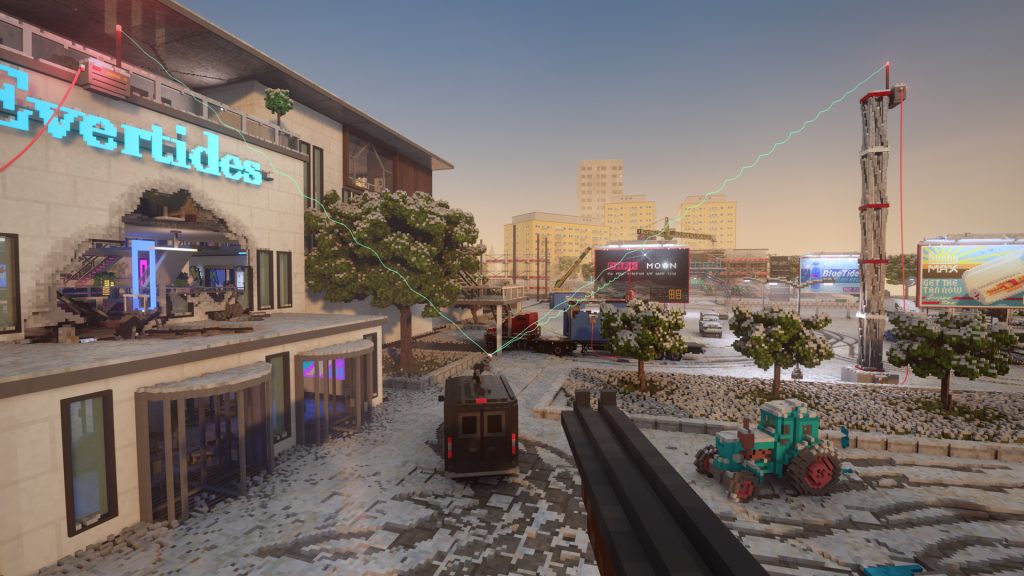
Tools play a central role in Teardown gameplay, providing players with multiple ways to interact with the environment. From simple hammers to powerful explosives, each tool serves a specific purpose. Learning when and how to use these tools becomes essential for completing difficult missions.
As players progress, Teardown equipment upgrades unlock more advanced capabilities. New gadgets enable faster demolition and creative path-building. These additions expand the tactical possibilities of Teardown destruction strategies, ensuring that gameplay continues to evolve over time.
5. Strategic Planning and Route Optimization
One of the most satisfying aspects of Teardown gameplay is planning escape routes before alarms activate. Players analyze maps, identify obstacles, and design paths that minimize travel time. This preparation stage encourages thoughtful decision-making and creative thinking.
Efficient movement within Teardown strategic gameplay requires balancing destruction and preservation. Removing unnecessary barriers speeds up travel, but excessive demolition may create hazards. Mastering this balance enhances performance in challenging Teardown mission scenarios.
6. Visual Style and Voxel-Based Design
The visual presentation of Teardown graphics features a distinctive voxel-based art style. Despite its blocky appearance, lighting effects and particle systems create surprisingly realistic environments. Explosions and fires interact dynamically with surrounding structures.
Lighting plays an especially important role in Teardown visual immersion. Shadows shift as buildings collapse, adding depth to each scene. This visual clarity improves situational awareness during intense Teardown destruction sequences, making the experience both functional and visually appealing.
7. Sound Design and Environmental Feedback
Sound effects significantly enhance the immersion of Teardown gameplay. The noise of breaking wood, collapsing metal, and roaring explosions provides constant feedback about environmental changes. These audio cues help players anticipate structural failures.
The role of sound within Teardown environmental feedback extends beyond atmosphere. Listening carefully can reveal weak points in structures or indicate imminent collapses. This integration of audio into Teardown tactical awareness strengthens the realism of each mission.
8. Sandbox Freedom and Creative Mode
Beyond structured missions, Teardown sandbox gameplay offers unlimited freedom for experimentation. Players can create their own destruction scenarios, testing tools and exploring environmental reactions without restrictions. This mode encourages creativity and discovery.
Creative freedom within Teardown sandbox mode allows players to experiment with large-scale demolition projects. Whether constructing elaborate traps or leveling entire buildings, this flexibility ensures that Teardown free-play mechanics remain entertaining long after completing the campaign.
9. Replay Value and Community Modding
The longevity of Teardown gameplay benefits greatly from its active modding community. Custom maps, tools, and scenarios extend the life of the game beyond official content. These player-created additions provide endless new challenges and creative opportunities.
Replay value within Teardown community content grows as new modifications appear regularly. Players can revisit familiar mechanics in entirely new environments, keeping the experience fresh. This constant flow of new ideas strengthens Teardown long-term engagement.
10. Strengths, Challenges, and Overall Experience
Among the strongest features of Teardown gameplay is its perfect blend of creativity and tension. The freedom to destroy anything combined with strict mission timing creates a thrilling balance between chaos and control. Each completed mission feels like solving a complex puzzle.
However, Teardown performance demands may challenge systems with lower hardware capabilities. Large-scale destruction sequences can require strong processing power. Despite this limitation, the depth of Teardown sandbox mechanics makes it one of the most memorable physics-driven games available today.
Conclusion
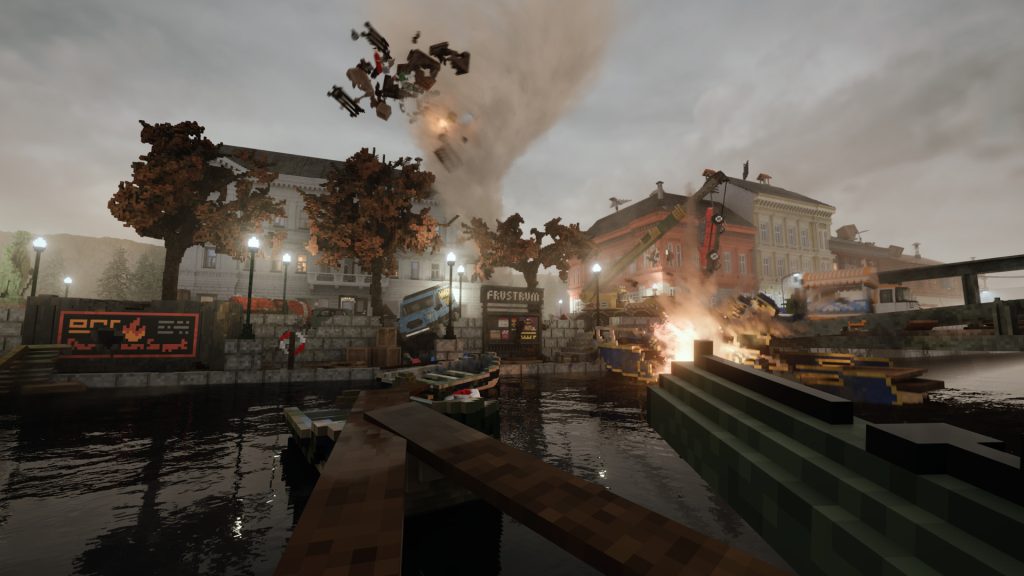
Overall, Teardown delivers an innovative sandbox experience built around creativity, physics, and strategic destruction. Its unique approach to mission design transforms simple demolition into a thoughtful planning exercise. Every structure becomes both an obstacle and a solution within the flexible Teardown gameplay system.
For players who enjoy experimentation, puzzle-solving, and dynamic environments, Teardown sandbox gameplay offers a deeply satisfying experience. With strong replay value, creative freedom, and realistic physics interactions, the game stands as one of the most inventive sandbox titles of its generation.
Follow us on Facebook: https://www.facebook.com/share/1CFA8qxACT/
Get Game Website Link