
 Game Reviews
 Mobile Games
 Game Online
 Game Updates
 AI & Artificial Intelligence
 AI News
 AI Comparisons
 AI Tools Reviews
Modern transportation is evolving rapidly as vehicles become smarter, safer, and more connected. One of the lesser-known yet highly impactful innovations in automotive engineering is Smart Tire Technology. While engines, sensors, and onboard computers often receive the spotlight, tires remain the only components that physically connect a vehicle to the road. Enhancing this connection through intelligent technology is transforming vehicle safety, efficiency, and performance.
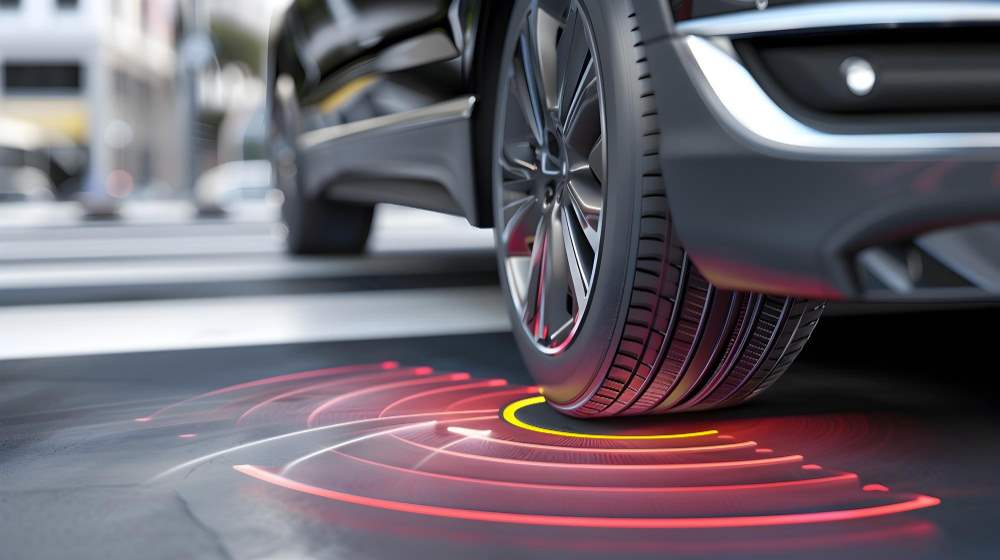
Smart Tire Technology integrates sensors, wireless communication, and data analytics directly into tires, enabling them to monitor road conditions, pressure, temperature, and wear in real time. These capabilities provide valuable insights to drivers and vehicle systems, improving safety and extending tire lifespan. In this comprehensive review, we will explore the origins, components, functionality, advantages, challenges, and future possibilities of Smart Tire Technology, presenting a structured journey through this important automotive innovation.
See more: https://prol5review.com/home
1. The Origins of Smart Tire Technology
Early Tire Monitoring Innovations
The journey toward Smart Tire Technology began with the development of basic tire pressure monitoring systems (TPMS). These systems were introduced to alert drivers when tire pressure dropped below recommended levels. Maintaining proper tire pressure was essential for safety, fuel efficiency, and tire longevity.
Initially, TPMS devices were simple warning systems that provided limited information. They did not offer detailed insights into tire performance or road conditions. However, these early innovations demonstrated the importance of monitoring tire health in real time.
Transition to Intelligent Tire Systems
As automotive technology advanced, engineers sought to expand the capabilities of tire monitoring systems. Instead of only measuring pressure, researchers began integrating additional sensors into tire structures.
This transition marked the emergence of Smart Tire Technology, where tires became intelligent components capable of communicating with vehicle systems and external networks.
2. Core Components of Smart Tire Technology
Embedded Sensor Systems
At the heart of Smart Tire Technology are embedded sensors placed within the tire structure. These sensors measure various parameters such as pressure, temperature, vibration, and tread depth.
By collecting accurate data, these sensors provide real-time insights into tire performance. This information helps drivers maintain optimal tire conditions and prevent unexpected failures.
Wireless Communication Modules
Smart tires rely on wireless communication modules to transmit collected data to the vehicle’s onboard computer. These modules use radio frequency signals to send information quickly and reliably.
Wireless connectivity allows Smart Tire Technology to operate seamlessly without physical wiring, ensuring convenience and flexibility in design.

3. Real-Time Tire Pressure Monitoring
Importance of Maintaining Proper Pressure
One of the primary functions of Smart Tire Technology is monitoring tire pressure continuously. Proper tire pressure ensures stable vehicle handling, improved fuel efficiency, and reduced wear.
Underinflated tires increase rolling resistance, causing engines to consume more fuel and reducing overall vehicle efficiency. Smart systems provide immediate alerts when pressure levels fall outside recommended ranges.
Automatic Alerts and Driver Notifications
Modern smart tire systems provide visual or audible warnings to notify drivers of pressure changes. Some systems also display detailed pressure readings for each tire individually.
This real-time feedback enables drivers to address issues promptly, reducing the risk of accidents caused by tire failure.
4. Temperature and Wear Monitoring
Detecting Heat Build-Up
Temperature monitoring is another critical function of Smart Tire Technology. Excessive heat can weaken tire materials and lead to sudden blowouts.
Embedded sensors track temperature changes and notify drivers if levels exceed safe thresholds. This feature is especially important for vehicles operating in extreme conditions.
Monitoring Tread Wear and Tire Health
Smart tires also measure tread wear patterns to determine overall tire health. Uneven wear may indicate alignment problems or improper inflation.
By analyzing tread data, Smart Tire Technology helps drivers identify maintenance needs before issues become severe.
5. Integration with Vehicle Safety Systems
Enhanced Stability and Traction Control
Smart tire data can be integrated into vehicle stability and traction control systems. Real-time tire information enables onboard computers to adjust braking and acceleration more effectively.
This integration improves vehicle stability during sudden maneuvers or slippery road conditions.
Support for Advanced Driver Assistance Systems
Smart Tire Technology plays an important role in supporting advanced driver assistance systems (ADAS). Accurate tire data enhances the performance of features such as lane-keeping and emergency braking.
By providing detailed feedback, smart tires help ensure that safety systems operate with maximum efficiency.

6. Benefits of Smart Tire Technology
Improved Safety and Reliability
One of the most significant advantages of Smart Tire Technology is improved safety. Continuous monitoring reduces the likelihood of tire-related accidents.
Drivers gain confidence knowing that potential issues will be detected early, allowing timely maintenance and repairs.
Extended Tire Lifespan
Smart tires help extend lifespan by ensuring proper maintenance. Maintaining correct pressure and alignment reduces uneven wear and prevents premature damage.
This longevity reduces replacement frequency, saving costs over time.
7. Environmental and Economic Advantages
Fuel Efficiency Improvements
Maintaining optimal tire pressure directly improves fuel efficiency. Vehicles with properly inflated tires require less energy to move.
As a result, Smart Tire Technology contributes to reduced fuel consumption and lower greenhouse gas emissions.
Cost Savings Through Predictive Maintenance
Predictive maintenance is a major economic benefit of smart tire systems. Instead of replacing tires based on estimated timelines, maintenance decisions can be based on actual condition data.
This data-driven approach reduces unnecessary expenses and enhances operational efficiency.
8. Challenges and Limitations
Durability and Harsh Operating Conditions
Tires operate under extreme conditions, including high pressure, temperature fluctuations, and constant friction. Ensuring that sensors remain functional under these conditions is a major challenge.
Engineers must design components that can withstand repeated stress without failure.
Data Security and Privacy Concerns
As Smart Tire Technology becomes connected to networks, concerns about data security arise. Unauthorized access to vehicle data could pose safety risks.
Manufacturers must implement strong encryption and security protocols to protect sensitive information.

9. Future Developments in Smart Tire Technology
Self-Healing Tire Materials
Researchers are exploring self-healing materials that can repair small punctures automatically. These materials enhance durability and reduce maintenance requirements.
Combining self-healing materials with Smart Tire Technology could significantly improve vehicle reliability.
Integration with Autonomous Vehicles
Smart tires are expected to play a vital role in autonomous vehicle systems. Accurate tire data will help self-driving cars adjust driving behavior based on road conditions.
This integration will enhance safety and improve navigation performance.
10. Long-Term Impact on the Automotive Industry
Transforming Vehicle Maintenance Practices
The widespread adoption of Smart Tire Technology will transform maintenance practices across the automotive industry. Service centers will rely on real-time data to diagnose issues more accurately.
This shift toward predictive maintenance improves efficiency and reduces downtime.
Supporting the Growth of Smart Transportation
Smart tire systems contribute to the development of intelligent transportation networks. Connected vehicles sharing tire data can improve traffic safety and road management.
This collaboration between vehicles and infrastructure represents the future of transportation systems.
Conclusion
Smart Tire Technology represents a crucial advancement in modern automotive engineering. By transforming tires into intelligent components capable of monitoring performance in real time, this technology enhances vehicle safety, efficiency, and reliability. From pressure monitoring to predictive maintenance, smart tires provide valuable insights that improve driving experiences and reduce operational costs.
Although challenges such as durability and cybersecurity remain, ongoing innovations continue to refine this technology. As vehicles become increasingly connected and autonomous, Smart Tire Technology will play an essential role in shaping the future of transportation.
Ultimately, intelligent tire systems demonstrate how even the most fundamental vehicle components can evolve into sophisticated technologies that support safer and more efficient mobility worldwide.
Follow us on Facebook: https://www.facebook.com/share/1CFA8qxACT/