
 Game Reviews
 Mobile Games
 Game Online
 Game Updates
 AI & Artificial Intelligence
 AI News
 AI Comparisons
 AI Tools Reviews
Modern medicine has entered an era where technology plays a critical role in improving patient outcomes and surgical precision. Among the most groundbreaking innovations in healthcare is the development of Medical Surgical Robots, advanced robotic systems designed to assist surgeons in performing complex procedures with exceptional accuracy. These robots combine robotics, artificial intelligence, and high-definition imaging to enhance surgical capabilities beyond human limitations.
Unlike traditional surgical methods that rely entirely on manual skills, Medical Surgical Robots enable minimally invasive procedures with greater control and consistency. Surgeons operate these systems using specialized consoles, allowing precise movements that reduce tissue damage and improve recovery times. In this comprehensive review, we will explore the origins, components, applications, benefits, challenges, and future developments of Medical Surgical Robots, presenting a chronological and logically structured understanding of this revolutionary medical technology.
See more: https://prol5review.com/home
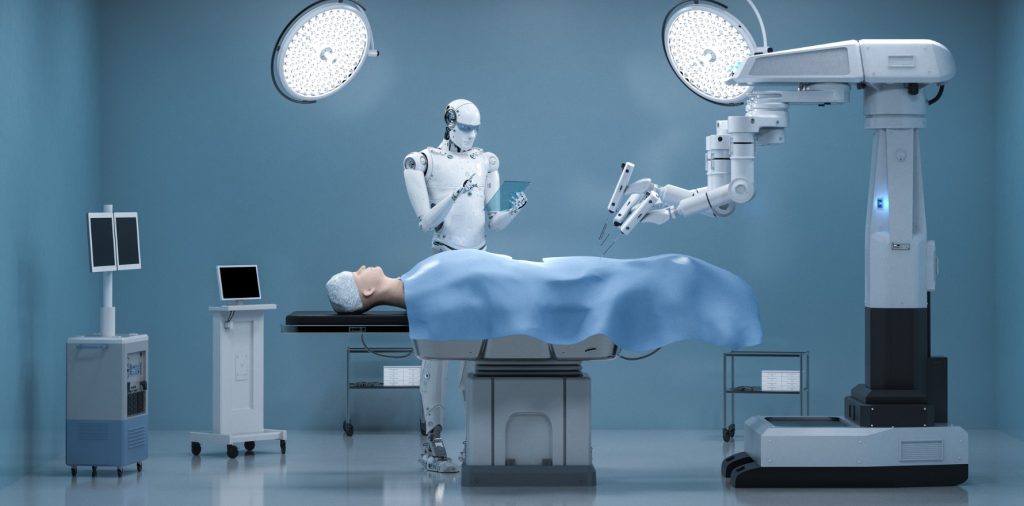
1. The Origins of Medical Surgical Robots
Early Concepts in Robotic-Assisted Surgery
The development of Medical Surgical Robots began with the desire to improve surgical precision and reduce human error. Early concepts of robotic assistance emerged in the late 20th century when engineers and medical professionals collaborated to create devices capable of performing controlled movements during operations.
Initially, robotic systems were used to assist with simple positioning tasks, such as holding surgical tools steady. These early machines lacked advanced intelligence but demonstrated the potential for robotics to support medical procedures safely.
Transition to Modern Robotic Surgery Systems
As computing technology advanced, robotic systems evolved to include sophisticated control mechanisms and real-time imaging. Surgeons gained the ability to operate robotic arms remotely, improving access to hard-to-reach areas within the body.
This evolution marked the beginning of modern Medical Surgical Robots, which now serve as valuable tools in hospitals worldwide.
2. Core Components of Medical Surgical Robots
Robotic Arms and Precision Instruments
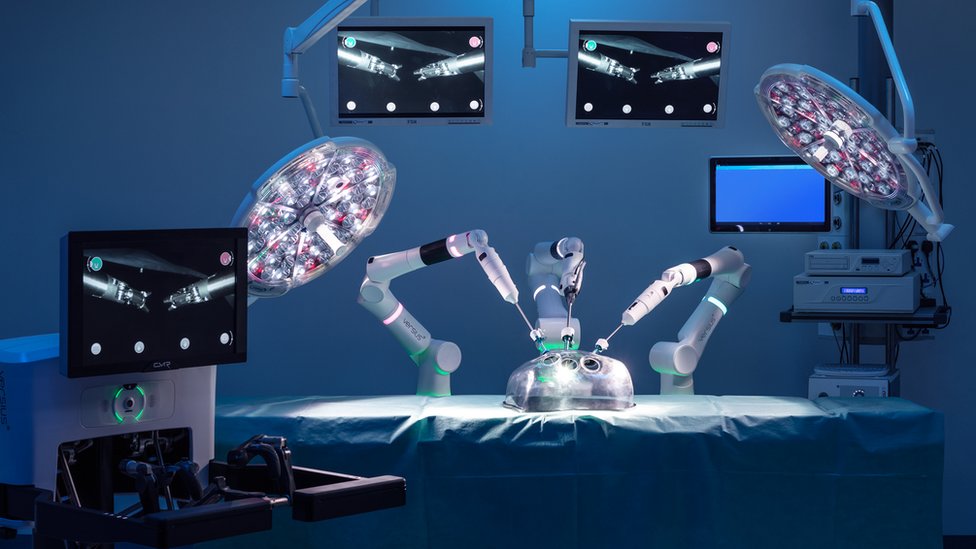
The most visible components of Medical Surgical Robots are their robotic arms. These arms are designed to hold surgical instruments and perform delicate movements with extreme accuracy.
Unlike human hands, robotic arms can rotate and maneuver in multiple directions without fatigue. This capability allows surgeons to perform precise procedures that would otherwise be difficult or impossible.
Surgeon Console and Control Systems
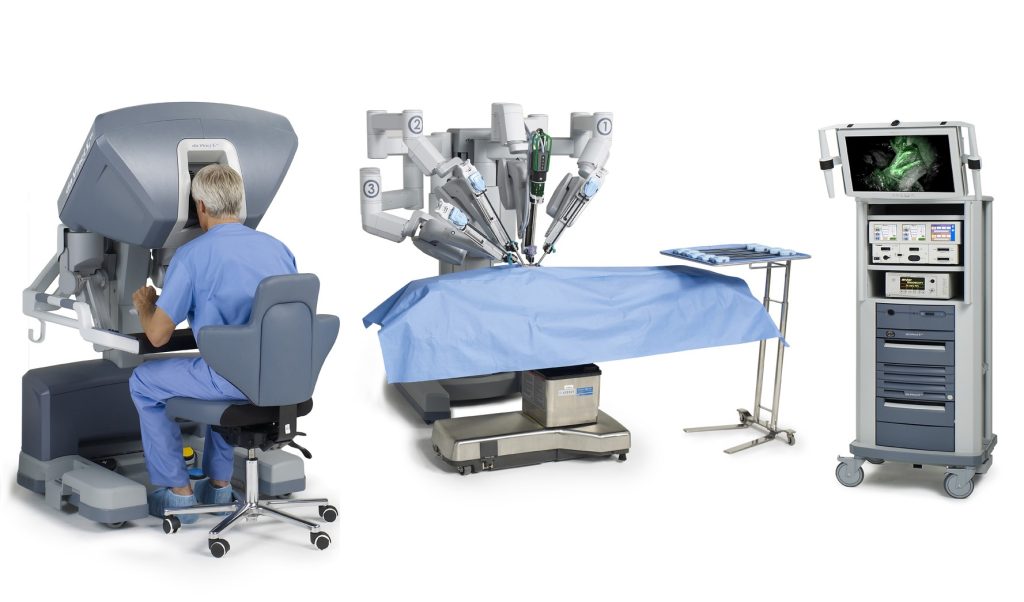
Medical surgical robots are operated through specialized consoles where surgeons control the robotic arms using joysticks or touch interfaces. High-definition screens display magnified images of the surgical site.
These control systems provide real-time feedback, ensuring that every movement is carefully executed and monitored.
3. Imaging and Visualization Technologies
High-Definition 3D Imaging
One of the major advantages of Medical Surgical Robots is the use of advanced imaging technologies. High-definition cameras provide detailed views of internal body structures.
Three-dimensional visualization enhances depth perception, allowing surgeons to operate with improved accuracy and confidence.
Real-Time Data Integration
Modern robotic systems integrate imaging data with surgical planning tools. This integration allows surgeons to visualize anatomical structures before and during operations.
Real-time updates ensure that adjustments can be made instantly, reducing risks during complex procedures.
4. Types of Medical Surgical Robots
General Surgery Robots
General-purpose Medical Surgical Robots are used for procedures such as abdominal surgeries, gallbladder removal, and hernia repair. These robots support minimally invasive techniques that require small incisions.
Such procedures reduce blood loss and shorten recovery periods compared to traditional open surgeries.
Specialized Robotic Systems
Some robotic systems are designed specifically for certain medical fields. For example, robots are used in orthopedic surgeries to align bones accurately and in neurosurgery to navigate delicate brain structures.
These specialized applications demonstrate the versatility of robotic technology in modern healthcare.
5. Applications Across Medical Fields
Cardiac and Thoracic Surgery
Medical Surgical Robots are widely used in heart and chest surgeries where precision is critical. Robotic assistance allows surgeons to perform delicate procedures with minimal disruption to surrounding tissues.
These techniques reduce complications and improve patient outcomes.
Urology and Gynecology Procedures
Robotic systems are also commonly used in urology and gynecology. Procedures such as prostate surgery and hysterectomy benefit from enhanced precision and reduced surgical trauma.
Patients undergoing robotic-assisted surgeries often experience shorter hospital stays and faster recovery.
6. Advantages of Medical Surgical Robots
Enhanced Precision and Accuracy
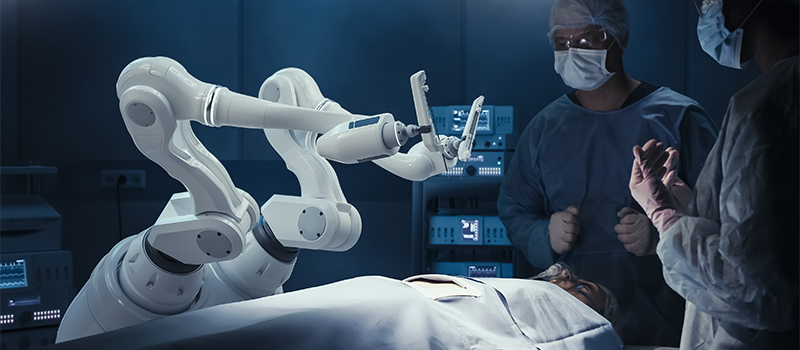
One of the most significant benefits of Medical Surgical Robots is their ability to perform highly accurate movements. Robotic systems eliminate hand tremors and allow precise instrument control.
This level of precision improves surgical outcomes and reduces the likelihood of complications.
Minimally Invasive Procedures
Robotic-assisted surgeries typically require smaller incisions than traditional methods. Smaller incisions result in less pain, reduced scarring, and faster healing.
Patients benefit from shorter recovery times and lower risk of infection.
7. Challenges and Limitations
High Implementation Costs
Despite their benefits, Medical Surgical Robots are expensive to purchase and maintain. Hospitals must invest in specialized equipment, training programs, and maintenance services.
These costs can limit accessibility, especially in smaller healthcare facilities.
Technical Complexity and Training Requirements
Operating medical robots requires extensive training for surgeons and support staff. Mastering robotic systems involves understanding both surgical techniques and advanced technology.
Continuous training ensures safe and effective operation but adds to overall operational expenses.
8. Safety Measures and Regulatory Standards
Built-In Safety Systems
Safety is a top priority in the design of Medical Surgical Robots. These systems include automatic shutdown features and emergency controls to prevent accidents.
Sensors continuously monitor instrument positions to avoid unintended movements.
Regulatory Approval and Compliance
Medical robots must meet strict regulatory standards before being used in clinical settings. Approval processes involve extensive testing to ensure reliability and patient safety.
Compliance with these standards builds trust among healthcare providers and patients.
9. Future Trends in Medical Surgical Robotics
Integration with Artificial Intelligence
The future of Medical Surgical Robots includes deeper integration with artificial intelligence. AI algorithms will analyze surgical data and assist in decision-making during procedures.
Such advancements may lead to semi-autonomous surgical systems capable of performing routine tasks independently.
Miniaturization and Remote Surgery
Developers are working to create smaller robotic systems that can perform highly precise operations within limited spaces. Remote surgery technology is also expanding, enabling surgeons to operate on patients from distant locations.
These innovations have the potential to improve healthcare accessibility worldwide.
10. Long-Term Impact on Healthcare Systems
Improving Patient Outcomes
The widespread use of Medical Surgical Robots is expected to improve patient outcomes significantly. Reduced surgical trauma leads to faster healing and lower complication rates.
This improvement contributes to higher patient satisfaction and better overall healthcare quality.
Transforming Surgical Education
Robotic systems are changing how surgeons are trained. Simulation technologies allow medical professionals to practice procedures in virtual environments before performing real surgeries.
This approach enhances skill development and increases confidence among healthcare professionals.
Conclusion
Medical Surgical Robots represent one of the most significant technological advancements in modern medicine. By combining precision robotics, advanced imaging, and intelligent control systems, these devices enable safer and more effective surgical procedures. From general surgeries to specialized medical applications, robotic systems have transformed how operations are performed and how patients recover.
Although challenges such as high costs and technical complexity remain, ongoing research and development continue to improve accessibility and efficiency. As artificial intelligence and robotics technologies evolve, Medical Surgical Robots will play an increasingly vital role in shaping the future of healthcare.
Ultimately, the integration of robotics into surgical practice demonstrates how technology can enhance human capabilities, improve patient care, and revolutionize medical treatment worldwide.
Follow us on Facebook: https://www.facebook.com/share/1CFA8qxACT/