
 Game Reviews
 Mobile Games
 Game Online
 Game Updates
 AI & Artificial Intelligence
 AI News
 AI Comparisons
 AI Tools Reviews
Road safety has become a global priority as vehicle technology advances and traffic conditions grow more complex. While modern vehicles are equipped with numerous safety features, one of the most critical areas of improvement lies in monitoring driver behavior. AI Driver Monitoring Systems represent a major breakthrough in automotive safety, using artificial intelligence to observe driver attention, detect fatigue, and prevent accidents before they occur.
Unlike traditional safety technologies that respond after an incident begins, AI Driver Monitoring Systems operate proactively. These systems analyze facial expressions, eye movement, head position, and driving patterns to determine whether the driver remains alert and focused. By providing real-time warnings and assistance, AI-powered monitoring systems help reduce human error, which remains a leading cause of road accidents. In this comprehensive review, we will explore the origins, structure, applications, benefits, challenges, and future potential of AI Driver Monitoring Systems, presented in a logical and chronological framework.
See more: https://prol5review.com/home
1. The Origins of AI Driver Monitoring Systems
Early Driver Safety Monitoring Concepts
The foundation of AI Driver Monitoring Systems began with simple driver alert technologies. Early systems relied on sensors that detected steering patterns or sudden lane deviations. These technologies attempted to identify signs of fatigue or distraction based on vehicle behavior rather than direct observation of the driver.
Although these early systems provided basic safety benefits, they lacked accuracy and could not identify specific driver behaviors such as eye closure or head movement. This limitation highlighted the need for more advanced monitoring solutions.
Transition to Artificial Intelligence Integration
As artificial intelligence technology matured, developers began incorporating cameras and machine learning algorithms into vehicle safety systems. This integration enabled real-time analysis of driver behavior.
The introduction of AI marked the transformation of basic alert systems into modern AI Driver Monitoring Systems, capable of understanding driver attention levels and providing precise warnings.
2. Core Components of AI Driver Monitoring Systems
Interior Camera Systems
At the heart of AI Driver Monitoring Systems are interior cameras positioned to monitor the driver’s face and upper body. These cameras capture visual data used to analyze facial expressions and eye movements.
High-resolution imaging ensures that even subtle changes in behavior are detected accurately. Infrared cameras are often used to enable monitoring in low-light conditions.
Artificial Intelligence Processing Units
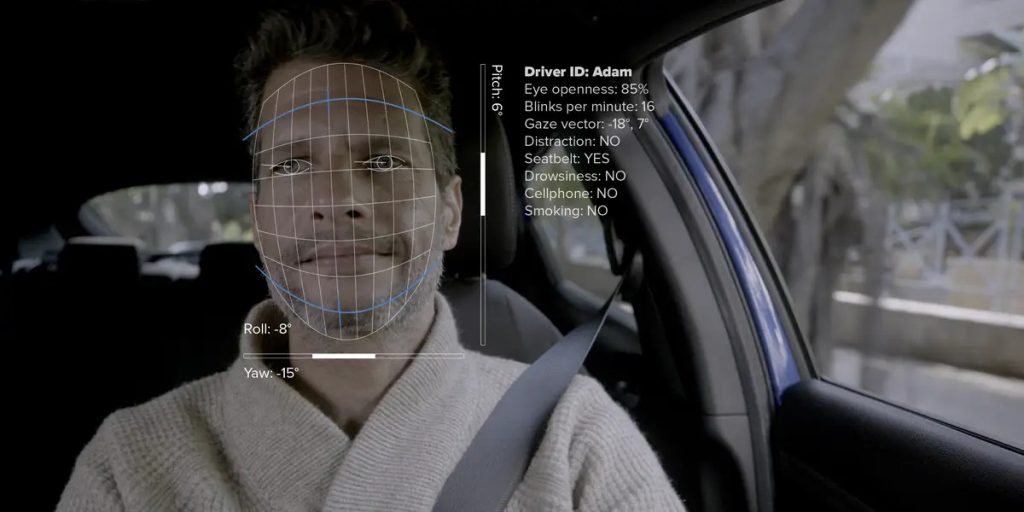
Captured visual data is processed by AI-powered computing units. Machine learning algorithms analyze patterns such as blinking frequency, gaze direction, and head orientation.
These processing units allow AI Driver Monitoring Systems to interpret driver behavior quickly and provide appropriate alerts when necessary.
3. Eye Tracking and Attention Detection
Monitoring Gaze Direction
Eye tracking technology plays a central role in determining driver attention. AI Driver Monitoring Systems analyze gaze direction to confirm whether the driver is looking at the road.
If the system detects that the driver’s eyes remain off the road for an extended period, it triggers warnings to refocus attention.
Detecting Drowsiness and Fatigue
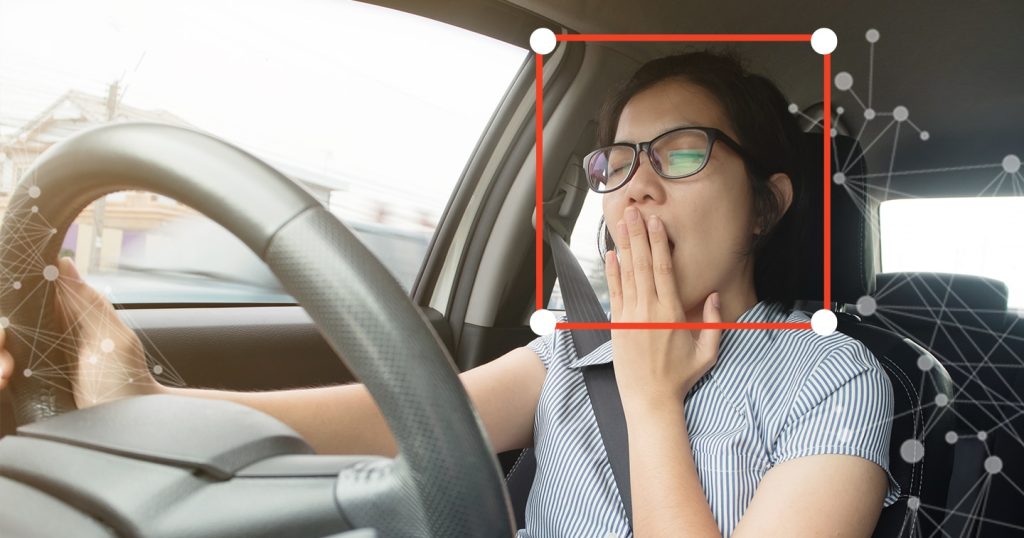
Fatigue detection is another essential function of AI monitoring systems. The system measures blinking rate and eyelid closure duration to identify signs of drowsiness.
By detecting fatigue early, AI Driver Monitoring Systems help prevent accidents caused by reduced reaction time.
4. Facial Recognition and Behavioral Analysis
Head Position and Movement Monitoring
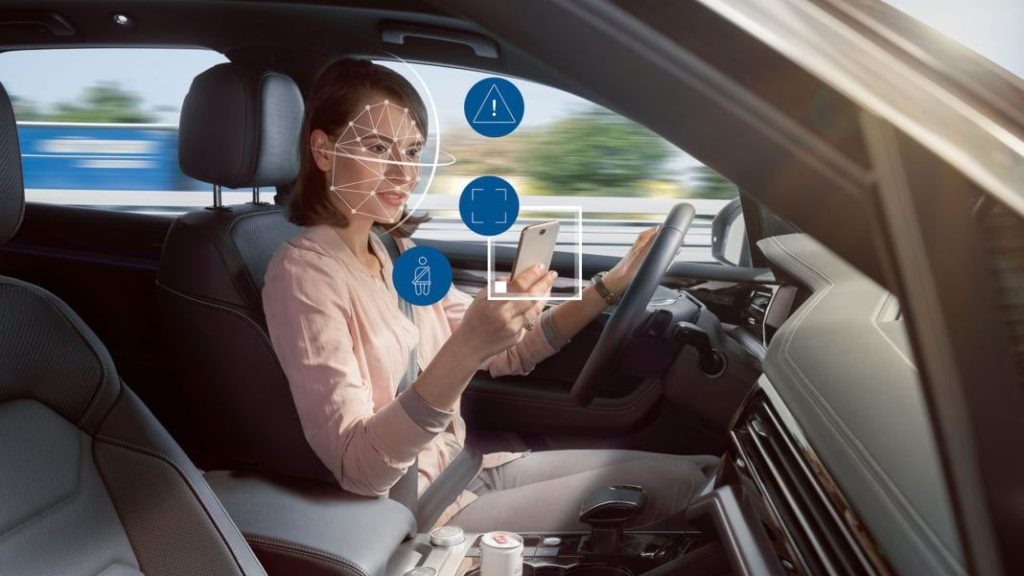
Driver posture and head position provide valuable information about alertness. Systems analyze whether the driver’s head tilts forward or turns away from the road.
Such analysis allows AI Driver Monitoring Systems to detect distraction caused by mobile device usage or other activities.
Emotion and Stress Detection
Some advanced systems are capable of identifying emotional states such as stress or frustration. These insights help determine whether the driver is experiencing conditions that may affect decision-making.
Emotion detection contributes to safer driving by encouraging calm and attentive behavior.
5. Integration with Vehicle Safety Systems
Linking with Advanced Driver Assistance Systems
AI Driver Monitoring Systems often integrate with advanced driver assistance systems (ADAS). This connection allows vehicles to respond automatically when dangerous conditions are detected.
For example, if driver fatigue is detected, the system may activate lane-keeping assistance or adjust speed settings.
Emergency Intervention Features
In critical situations, AI monitoring systems can trigger emergency interventions. These actions may include issuing loud alerts or initiating gradual vehicle deceleration.
Such measures enhance safety by preventing accidents when the driver becomes unresponsive.
6. Advantages of AI Driver Monitoring Systems
Reducing Human Error
Human error remains one of the leading causes of road accidents. AI Driver Monitoring Systems address this issue by continuously observing driver behavior.
By identifying risky patterns early, these systems reduce the likelihood of collisions and improve overall road safety.
Enhancing Driver Awareness
Driver awareness improves when real-time feedback is available. Alerts remind drivers to remain attentive and maintain safe driving habits.
This ongoing interaction helps create safer driving environments.
7. Challenges and Limitations
Privacy and Data Protection Concerns
Monitoring driver behavior raises concerns about data privacy. Users may question how recorded images and behavioral data are stored and used.
Manufacturers must implement secure encryption methods to protect personal information collected by AI Driver Monitoring Systems.
Accuracy and Environmental Factors
Environmental conditions such as poor lighting or extreme temperatures can affect system accuracy. Additionally, variations in driver appearance, such as wearing glasses or hats, may impact detection reliability.
Continuous system refinement is necessary to address these limitations.
8. Regulatory Requirements and Safety Standards
Government Safety Regulations
Many governments are introducing regulations that encourage the use of driver monitoring technology. These regulations aim to reduce accident rates and improve road safety.
Compliance with safety standards ensures that AI Driver Monitoring Systems meet performance and reliability expectations.
Industry Certification Processes
Automotive manufacturers must test driver monitoring systems extensively before releasing them to the market. Certification processes evaluate accuracy, reliability, and safety performance.
Such rigorous testing increases consumer trust in AI-powered vehicle technologies.
9. Future Developments in AI Driver Monitoring
Integration with Autonomous Driving Systems
As autonomous driving technology advances, AI Driver Monitoring Systems will play a critical role in ensuring driver readiness. Even semi-autonomous vehicles require drivers to remain alert.
Future systems will coordinate with autonomous features to maintain safe vehicle control.
Enhanced Multi-Sensor Fusion
Next-generation monitoring systems will combine data from cameras, radar, and biometric sensors. This integration will improve accuracy and reduce false alerts.
Multi-sensor fusion represents a major step forward in driver monitoring technology.
10. Long-Term Impact on Transportation Safety
Reducing Road Accident Rates
The widespread adoption of AI Driver Monitoring Systems is expected to significantly reduce accident rates. Continuous monitoring helps prevent dangerous situations before they escalate.
This proactive safety approach transforms traditional driving practices.
Supporting Smart Mobility Ecosystems
Driver monitoring technology contributes to the development of intelligent transportation systems. Connected vehicles sharing safety data can improve traffic flow and reduce congestion.
Such advancements will shape the future of mobility and enhance public safety.
Conclusion
AI Driver Monitoring Systems represent a powerful advancement in automotive safety technology. By combining artificial intelligence, imaging systems, and real-time analysis, these systems help detect fatigue, distraction, and risky behavior before accidents occur. Their integration with advanced safety features makes vehicles more intelligent and responsive to driver conditions.
Although challenges such as privacy concerns and environmental limitations remain, ongoing technological improvements continue to refine system performance. As regulations encourage wider adoption and artificial intelligence becomes more sophisticated, AI Driver Monitoring Systems are likely to become standard features in modern vehicles.
Ultimately, these intelligent monitoring solutions demonstrate how technology can enhance human safety, reduce accidents, and create a safer transportation environment for future generations.
Follow us on Facebook: https://www.facebook.com/share/1CFA8qxACT/